





What's Happening?
The U.S. Department of Agriculture (USDA) has announced significant commodity purchases, including pork, for distribution to various food nutrition assistance programs. These purchases are being made under Section 32 of the Agricultural Adjustment Act
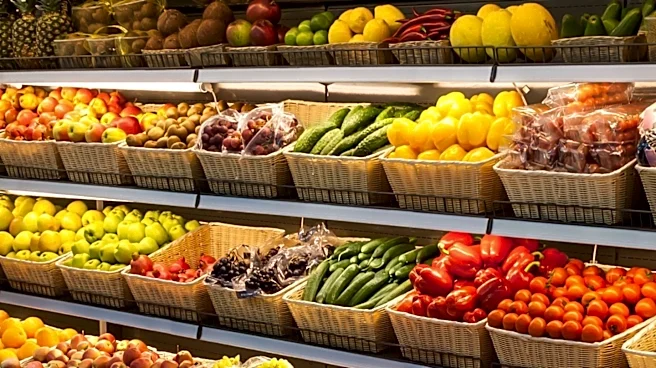
of 1935, which authorizes the USDA Secretary to use annually appropriated funds from U.S. customs receipts to encourage domestic consumption of products. In addition to pork, the USDA will acquire canned peaches, concord grape juice, fresh mandarins, prunes, raisins, walnuts, and wild-caught shrimp products. National Pork Producers Council President Rob Brenneman lauded the move, emphasizing its benefit to American schools and food banks, as well as supporting pork producers in a challenging market. The USDA regularly purchases these and other commodities for federal food programs, such as school breakfast and lunch initiatives. Solicitations for these purchases will be issued electronically through the Web-Based Supply Chain Management (WBSCM) system, with all future information, including amendments and award notices, published via WBSCM and the Agricultural Marketing Service’s website. The contract type for these acquisitions is anticipated to be firm-fixed-price, and deliveries are expected to be made to various locations across the United States.
Why It's Important?
This USDA purchasing initiative is important for several reasons. Firstly, it directly addresses food insecurity by supplying high-quality, nutrient-dense products to federal food nutrition assistance programs, including schools and food banks. This helps ensure that vulnerable populations, such as children and families, have access to essential food items. Secondly, the move provides crucial support to U.S. agricultural producers, particularly pork producers, who are currently navigating a challenging market. By purchasing domestic products, the USDA helps stabilize prices and demand, contributing to the economic well-being of the agricultural sector. The use of Section 32 funds underscores a long-standing federal commitment to maintaining domestic consumption of agricultural commodities. Furthermore, the inclusion of a diverse range of products, from fresh produce to protein, highlights an effort to provide varied and wholesome food options to those in need. This action also demonstrates the government's role in managing agricultural surpluses and channeling them towards public welfare, thereby benefiting both producers and consumers.
What's Next?
In the near future, the USDA will issue solicitations for these commodity purchases through the Web-Based Supply Chain Management (WBSCM) system. Interested parties, including potential contractors, will need to meet AMS vendor qualification requirements to be eligible to submit offers. Once qualified, access to WBSCM will be provided for bid submissions, modifications, withdrawals, and price adjustments. All subsequent information regarding these acquisitions, such as solicitation amendments and award notices, will be published exclusively through WBSCM and the Agricultural Marketing Service’s website. Deliveries of the purchased commodities are expected to be made to various locations across the United States. This ongoing process will ensure the continuous supply of these products to food nutrition assistance programs, supporting the nutritional needs of beneficiaries and providing sustained demand for U.S. agricultural goods. Stakeholders, including food banks and agricultural producers, will monitor these solicitations and awards to understand the flow of commodities and the impact on their operations.
Beyond the Headlines
Beyond the immediate impact of providing food and supporting producers, this USDA purchasing decision highlights the intricate relationship between agricultural policy, food security, and economic stability. The reliance on Section 32 of the Agricultural Adjustment Act of 1935 demonstrates the enduring legacy of New Deal-era legislation in addressing contemporary challenges. This mechanism allows the government to intervene in agricultural markets to both support farmers and address societal needs, showcasing a dual-purpose approach to public welfare. The emphasis on 'high-quality, wholesome and nutrient-dense protein' also reflects a broader societal push towards healthier food options within assistance programs, moving beyond mere caloric provision to focus on nutritional value. This initiative could also spark discussions about the long-term sustainability of such purchasing programs and their role in mitigating market volatility for agricultural producers, especially in sectors prone to price fluctuations. It also implicitly raises questions about the efficiency and reach of current food distribution networks and the potential for further investment in infrastructure, such as cold-chain equipment, to enhance the delivery of fresh and perishable goods to food banks nationwide.