


What's Happening?
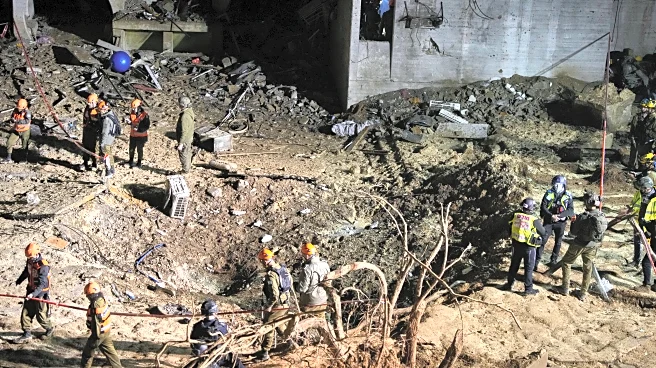
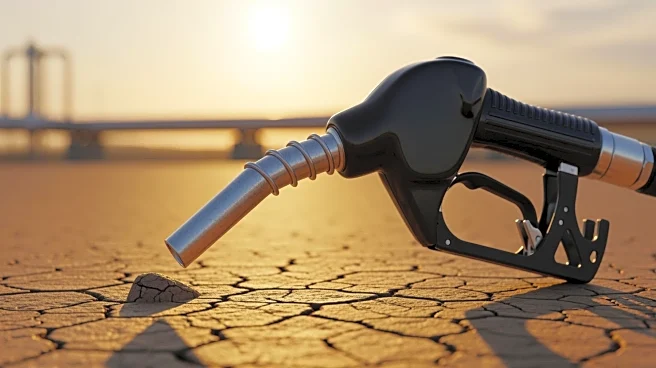
As global fuel prices continue to rise, consumers around the world are feeling the financial strain. The ongoing conflict in Iran, which has persisted for 24 days, has significantly impacted the oil supply chain, particularly through the Strait of Hormuz,
a critical oil passageway. This has led to increased fuel costs, forcing individuals to cut back on everyday expenses. In Buenos Aires, taxi driver Luis Catalano expressed concerns about managing expenses as gas prices remain high. Similarly, in Germany, road safety worker German Toledo noted that stagnant wages and rising costs have made it difficult to make ends meet. U.S. President Donald Trump has indicated ongoing talks with Iranian leaders, suggesting potential relief at the pump, which briefly lowered global oil prices. However, Iran has denied any negotiations, and consumer prices have yet to reflect these changes.
Why It's Important?
The surge in fuel prices has widespread implications for global economies and individual livelihoods. As fuel costs rise, consumers are forced to adjust their spending habits, impacting local economies and reducing disposable income. The situation highlights the vulnerability of global oil markets to geopolitical tensions, particularly in regions like the Middle East. The potential for diplomatic resolutions could stabilize markets, but the current uncertainty underscores the need for diversified energy sources and more resilient economic policies. The impact is most acutely felt by lower-income individuals who have less financial flexibility to absorb such shocks.
What's Next?
If diplomatic efforts between the U.S. and Iran progress, there could be a stabilization of oil prices, providing some relief to consumers. However, the geopolitical landscape remains volatile, and any escalation in the conflict could further disrupt oil supplies and exacerbate price increases. Policymakers and industry leaders may need to explore alternative energy strategies and strengthen international cooperation to mitigate future risks. The situation also calls for increased investment in renewable energy sources to reduce dependency on oil and enhance energy security.