






What's Happening?
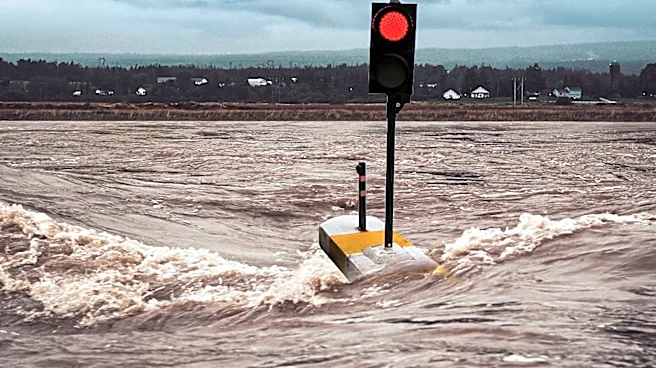
Recent flash floods in Afghanistan's eastern Kunar province have resulted in the deaths of two people and caused significant damage to homes and infrastructure. The floods are part of a series of severe weather events affecting over 20 provinces, leading
to casualties, displacement, and destruction. Afghanistan's vulnerability to climate-related disasters, such as flash floods, droughts, and landslides, is exacerbated by years of conflict, underdeveloped infrastructure, and declining humanitarian funding. Aid organizations are calling for greater investment in early-warning systems and climate-resilient infrastructure to mitigate the impact of these recurring crises.
Why It's Important?
The recurring natural disasters in Afghanistan underscore the urgent need for improved disaster preparedness and climate resilience. The country's limited capacity to respond to such events is a result of prolonged conflict and insufficient infrastructure development. The international community's support in building climate-resilient systems and providing humanitarian aid is crucial for reducing the impact of these disasters on vulnerable communities. Addressing Afghanistan's climate vulnerability is essential for ensuring long-term stability and development.
What's Next?
Efforts to enhance Afghanistan's disaster preparedness and climate resilience will likely involve collaboration between the Afghan government, international organizations, and aid agencies. Investment in infrastructure and early-warning systems will be critical in reducing the impact of future natural disasters. The international community's response to Afghanistan's climate challenges will play a significant role in shaping the country's ability to cope with and recover from such events.
Beyond the Headlines
The situation in Afghanistan highlights the broader issue of climate change and its disproportionate impact on vulnerable populations. The country's limited contribution to global greenhouse gas emissions contrasts with its high vulnerability to climate-related disasters. Addressing these challenges requires a comprehensive approach that includes international cooperation and support for sustainable development.