






What's Happening?
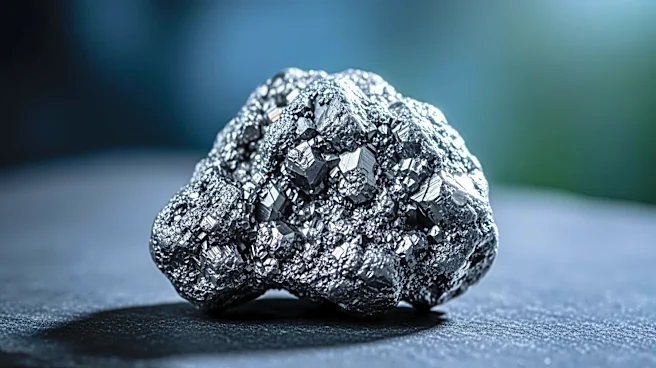
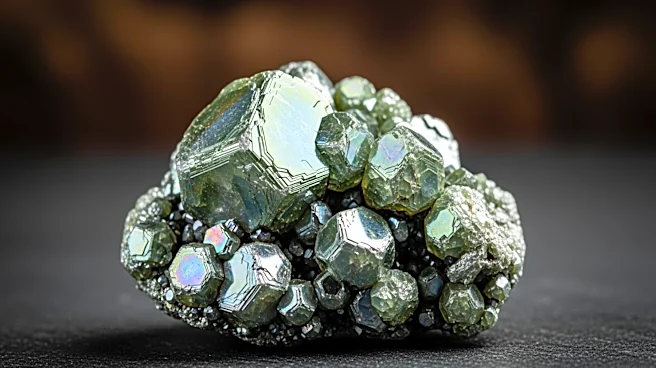
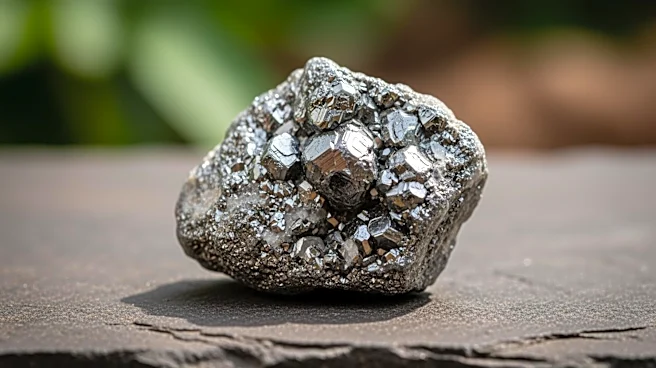
Brazil is positioning itself to become a significant player in the global rare earths market, traditionally dominated by China. The country is leveraging its vast reserves, the second largest in the world, to develop its rare earth value chains. Meteoric
Resources, an Australian mining company, is heavily investing in Brazil's rare earth mining, particularly in the Caldeira project in Minas Gerais, which is believed to be the world's largest ionic clay deposit. These deposits are crucial for producing medium and heavy rare earths like dysprosium and terbium, essential for high-performance magnets used in wind turbines and electric vehicles. The demand for these elements has surged due to the growing electrification and deployment of new energy technologies. Brazil's National Mining Agency has seen a significant increase in mining applications, reflecting the global rush for these resources.
Why It's Important?
The development of Brazil's rare earth industry could significantly impact global supply chains, reducing dependency on China, which currently controls over 90% of the world's rare earth refining capacity. This shift could enhance the security of supply for critical industries in the U.S. and other countries, particularly in sectors like electronics, renewable energy, and defense. The strategic importance of Brazil's rare earths is underscored by a 15-year supply agreement with several U.S. government agencies. As Brazil builds its capacity to process and refine these materials domestically, it could alter the dynamics of the global rare earth market, potentially leading to more competitive pricing and innovation in related technologies.
What's Next?
Brazil's efforts to establish a robust rare earths industry will require significant investment in infrastructure and technology to process and refine these materials domestically. The country aims to move beyond merely exporting raw materials to creating added value through local processing. This transition will take time, as noted by industry experts, but Brazil's geological advantages, such as the prevalence of ionic clay deposits, could facilitate this process. The success of these initiatives could encourage further foreign investment and partnerships, particularly with countries seeking to diversify their supply chains away from China.
Beyond the Headlines
Brazil's push into the rare earths market could have broader implications for its economic development and environmental policies. The mining and processing of rare earths require substantial energy and water resources, which Brazil plans to meet using renewable energy sources. This approach aligns with global sustainability goals and could position Brazil as a leader in environmentally responsible mining practices. Additionally, the development of a domestic rare earths industry could stimulate job creation and technological innovation, contributing to Brazil's economic growth and resilience.