




What's Happening?
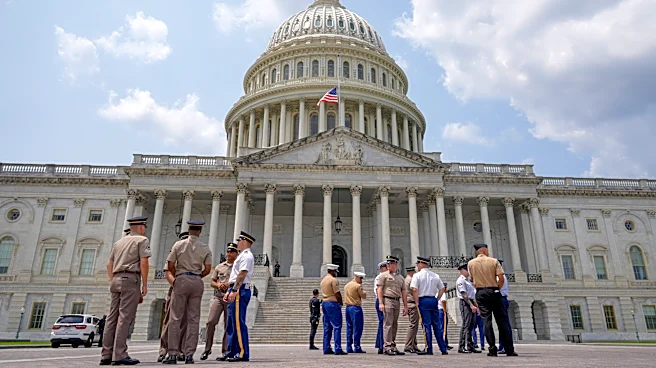
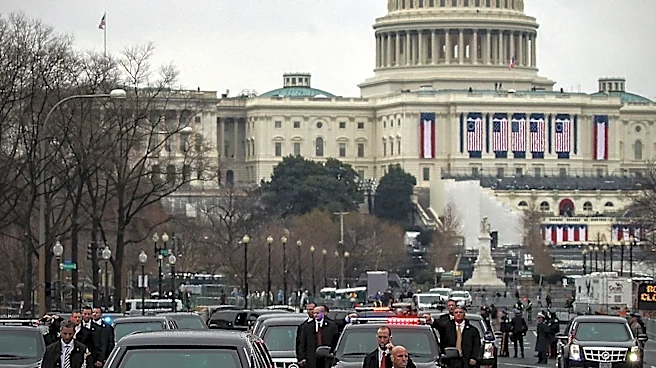
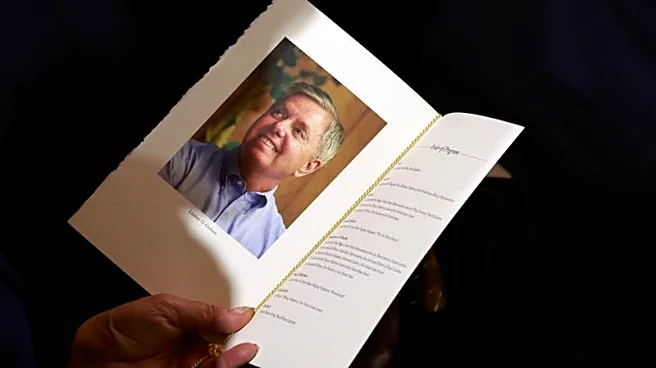
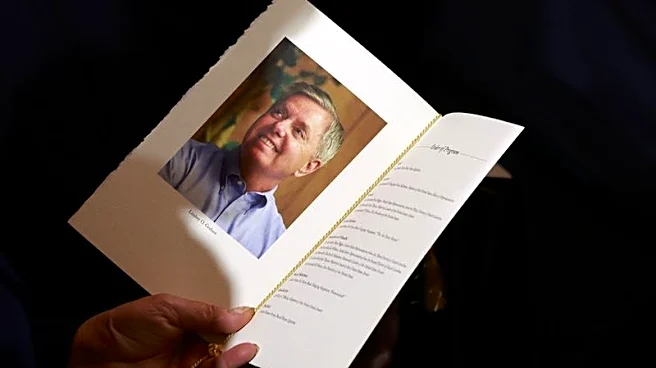
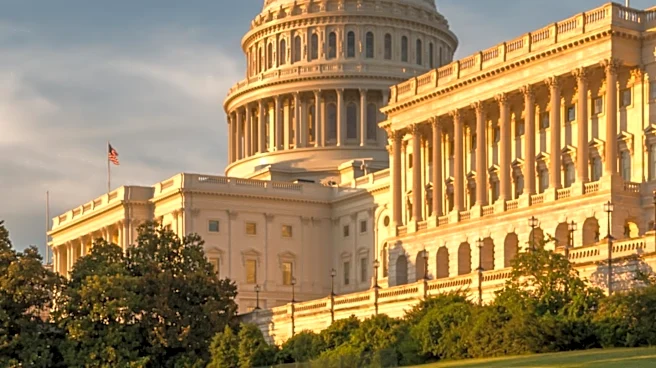
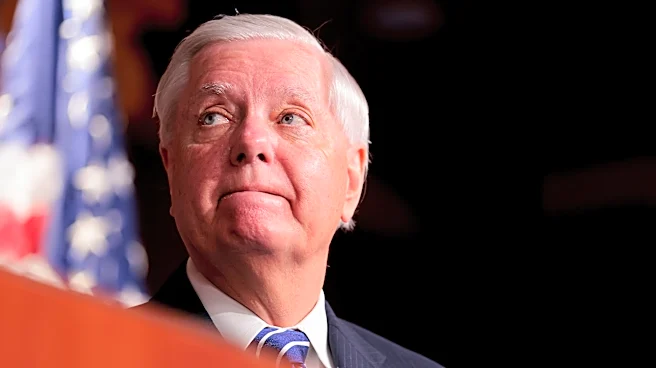
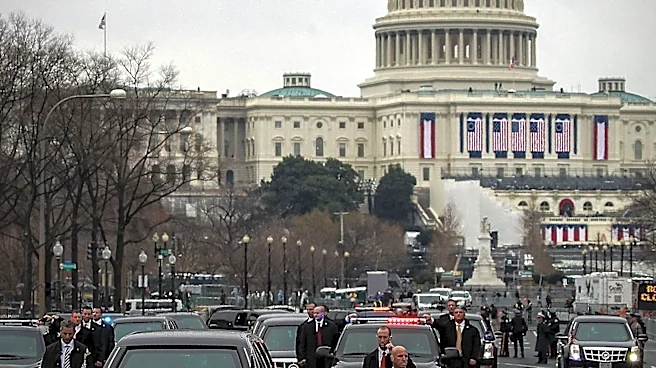
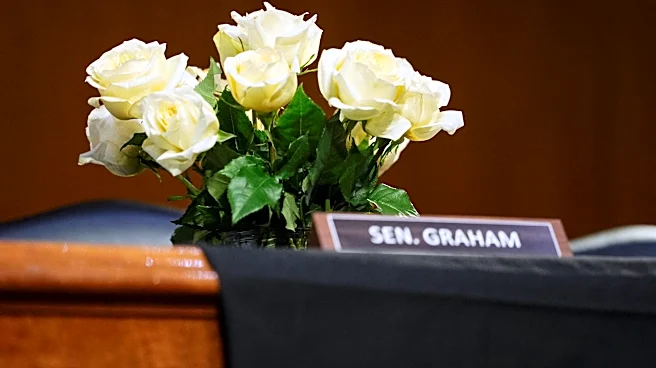
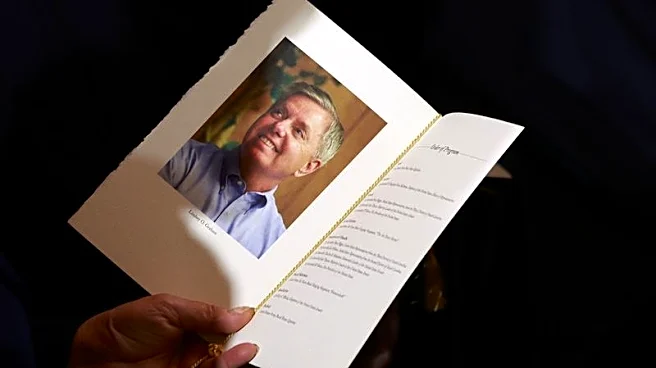
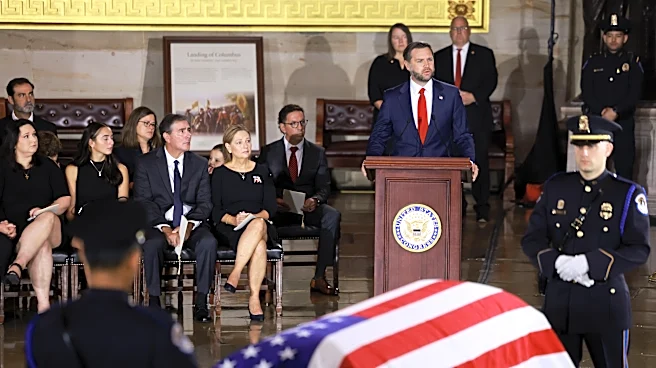
The U.S. Capitol hosted a memorial service for the late Senator Lindsey Graham, who passed away on July 11, 2026, from an aortic dissection. The service was attended by prominent figures, including President Donald Trump, who delivered a eulogy, and Vice
President JD Vance. Graham's casket was transported to the Capitol Rotunda by an Armed Forces Body Bearer Team, honoring his military service. The ceremony included speeches from Senate Majority Leader John Thune and Rep. Sheri Biggs, highlighting Graham's contributions to the Senate and his international influence. Following the Capitol service, Graham's remains were taken to the Washington National Cathedral for a funeral service.
Why It's Important?
Senator Lindsey Graham's memorial service underscores his significant impact on U.S. politics and international relations. As a long-serving senator, Graham was known for his bipartisan efforts and influence on foreign policy. His passing marks the end of an era for South Carolina politics and the Senate, where he served since 2002. The presence of high-profile figures at his memorial, including international leaders, reflects his stature and the respect he garnered across political and national boundaries. This event also highlights the importance of honoring public servants who have dedicated their lives to national service.
What's Next?
Following the memorial services, Graham's legacy will continue to influence political discourse, particularly in areas he championed, such as military and foreign policy. His sister, Sen. Darline Graham Nordone, who filled his Senate seat, may carry forward his political agenda. The political landscape in South Carolina may also shift as candidates vie to fill the void left by Graham's passing. Nationally, his contributions to bipartisan efforts and international diplomacy will be remembered as part of his enduring legacy.