








What's Happening?
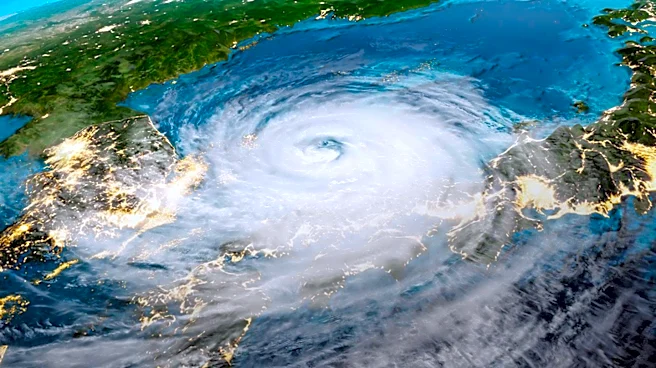
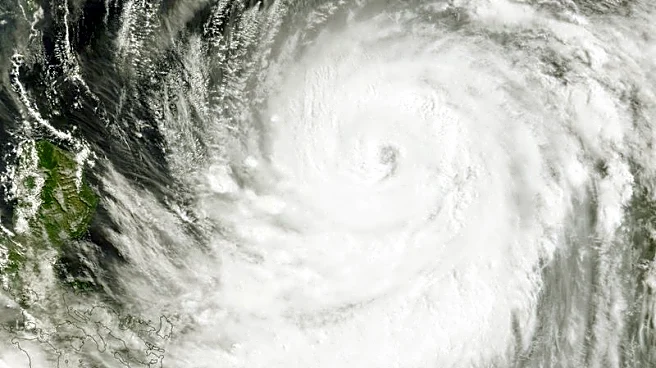
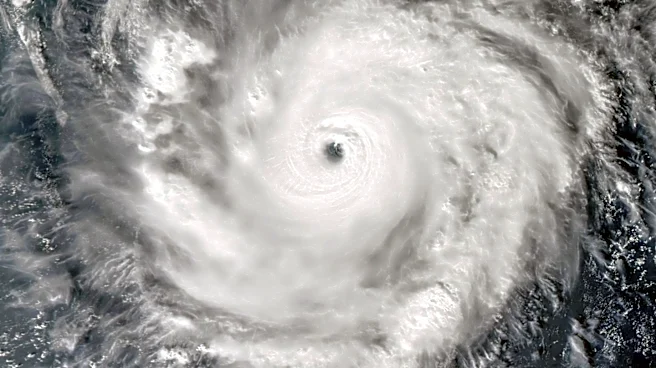
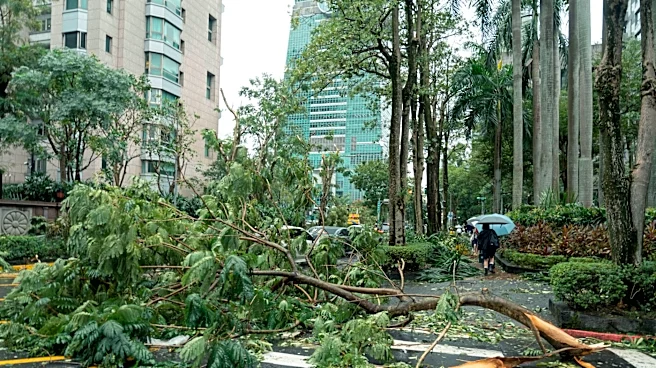
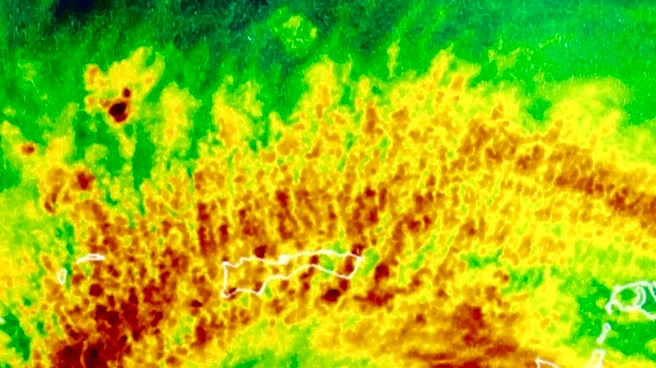
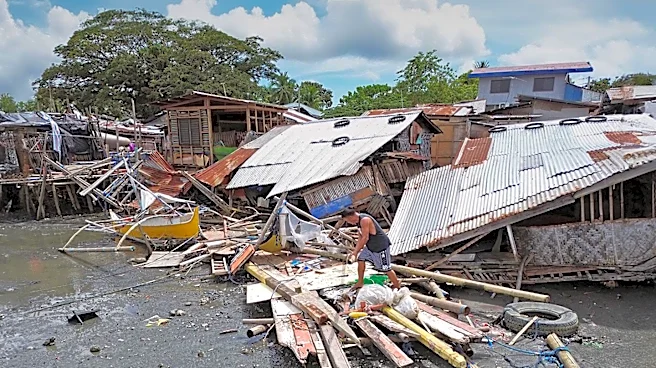
In early July 2026, Super Typhoon Bavi struck the U.S. Northern Mariana Islands and Guam, reaching peak intensity with winds of 180 miles per hour. The typhoon caused significant damage, including downed power lines, flooded roads, and damaged buildings.
The U.S. Coast Guard worked to clear navigation hazards and reopen ports. Bavi was the third tropical cyclone in 2026 to reach category 5 intensity, following Super Typhoon Sinlaku in April. The typhoon's path was influenced by a strong El Niño event, which can lead to more intense storms forming farther east.
Why It's Important?
The impact of Super Typhoon Bavi highlights the vulnerability of the Northern Mariana Islands and Guam to extreme weather events, exacerbated by climate patterns like El Niño. The damage to infrastructure and disruption of services underscore the need for robust disaster preparedness and response strategies. The frequency and intensity of such storms may increase with climate change, posing ongoing challenges for these U.S. territories. The economic and social costs of recovery efforts are significant, affecting local communities and requiring federal support.
What's Next?
As Bavi moves westward, forecasts suggest it may weaken but still pose a threat to Taiwan, the Ryukyu Islands, and mainland China. Continued monitoring and preparedness efforts are essential to mitigate further impacts. The event may prompt discussions on improving infrastructure resilience and emergency response capabilities in the affected regions. Additionally, the role of climate change in intensifying such storms could lead to policy discussions on environmental and climate action.