









What's Happening?
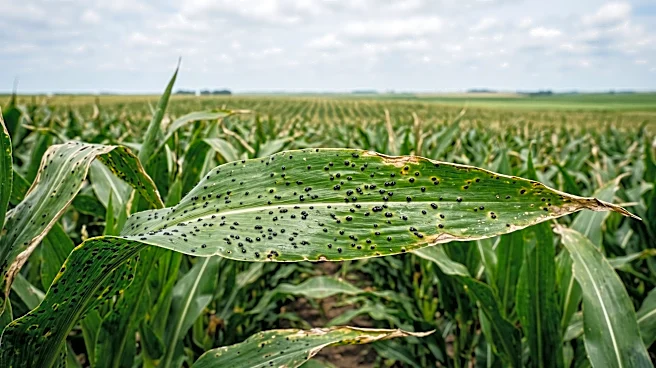
Tar spot, a corn disease caused by the fungal pathogen *Phyllachora maydis*, has continued its spread across Nebraska during the 2026 growing season. New cases have been confirmed in Perkins, Chase, and Dundy counties, bringing the total number of affected
counties to over 70. Specialists from the University of Nebraska-Lincoln (UNL) Extension, including Tamra Jackson-Ziems, Talon Mues, Kyle Broderick, Samantha Daniel, and Ruby Collins, are actively tracking the disease and providing management recommendations to growers. The disease, first identified in the U.S. in Indiana and Illinois in 2015, is characterized by small black fungal structures called stromata on corn leaves, which cannot be rubbed off. Weather conditions, specifically cool temperatures, extended leaf wetness, high humidity, and irrigation, are significant factors contributing to its development and spread, making irrigated fields particularly vulnerable. Increased moisture and stronger easterly winds during August and September 2026 likely facilitated its movement into southwestern Nebraska.
Why It's Important?
The continued spread of tar spot across Nebraska's corn fields poses a significant threat to agricultural productivity and the economic stability of corn producers in the state. While the presence of tar spot does not always lead to yield losses, severe outbreaks, as seen in previous years, can cause substantial reductions in susceptible corn hybrids. The disease's ability to reduce healthy leaf area, weaken stalks, increase lodging risk, and accelerate crop drydown directly impacts grain yields and harvest timing. This situation necessitates increased vigilance and investment in disease management strategies by farmers, potentially leading to higher operational costs due to fungicide applications and the need for resistant hybrids. The agricultural sector, a cornerstone of Nebraska's economy, faces potential financial repercussions from reduced crop output and increased input costs, affecting both individual farmers and the broader supply chain.
What's Next?
Nebraska corn growers are advised to prioritize proactive management strategies to mitigate the impact of tar spot. This includes planting resistant corn hybrids and regularly monitoring fields for symptoms of the disease. Fungicide applications are recommended when disease pressure is high, particularly during critical reproductive growth stages of the corn plant. University of Nebraska-Lincoln Extension specialists encourage growers to utilize available disease forecasting tools and seek diagnostic assistance if tar spot symptoms are suspected. Early detection and timely intervention are crucial for minimizing disease-related risks and protecting corn yields. The ongoing tracking by UNL Extension will continue to provide updated information and recommendations, guiding farmers in their efforts to combat the spread and severity of tar spot in future growing seasons.
Beyond the Headlines
The persistent spread of tar spot highlights broader challenges within modern agriculture, particularly concerning crop resilience against emerging plant diseases and the impact of changing weather patterns. The disease's ability to survive winter in infected crop residue underscores the importance of sustainable farming practices, including crop rotation and residue management, to break disease cycles. The vulnerability of irrigated fields also points to the complex interplay between agricultural practices and environmental conditions. This situation could accelerate research into more robust disease-resistant corn varieties and advanced diagnostic tools. Furthermore, it emphasizes the critical role of agricultural extension services in disseminating vital information and support to farmers, ensuring the long-term food security and economic viability of agricultural regions like Nebraska.