
What's Happening?
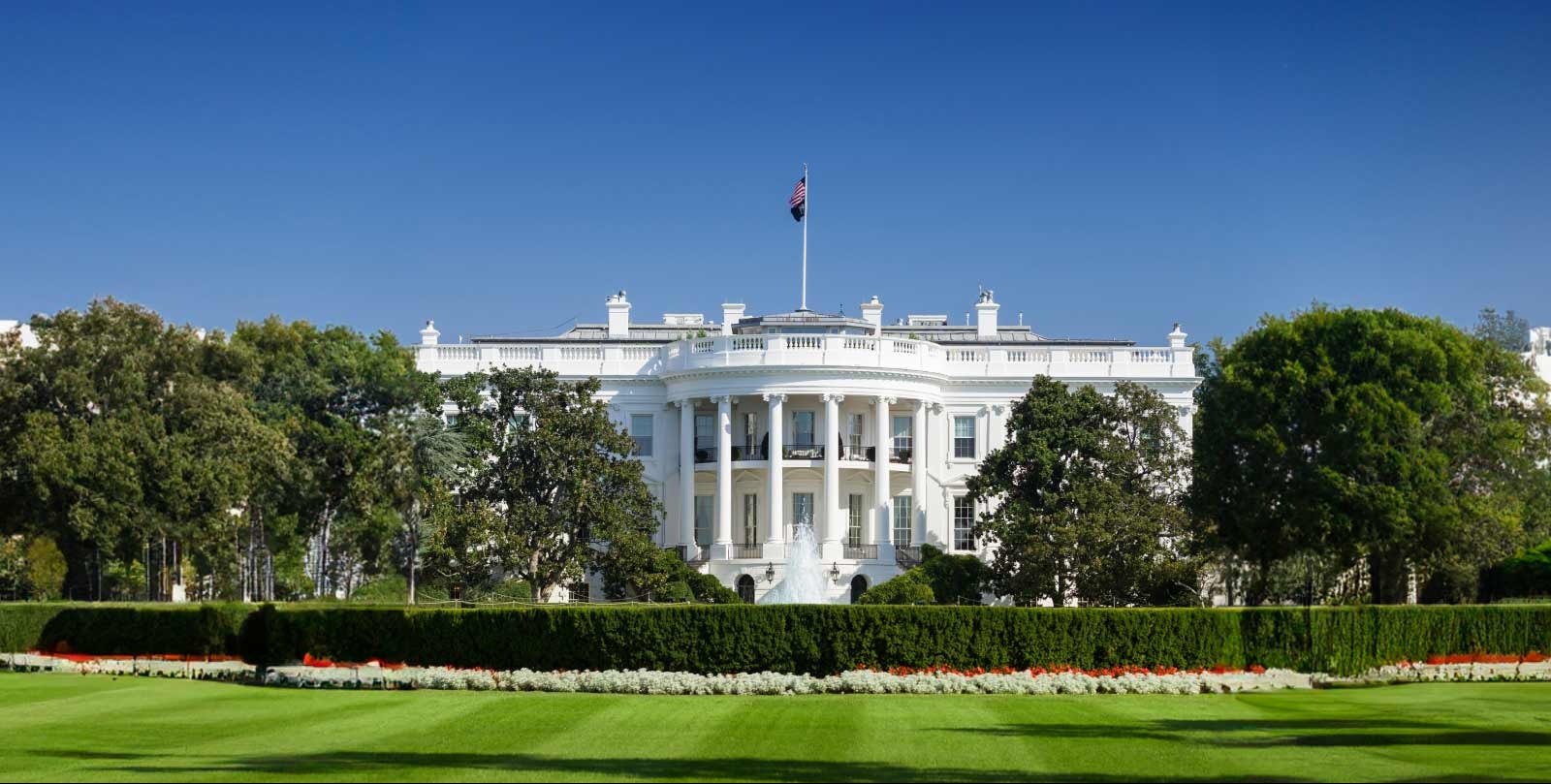
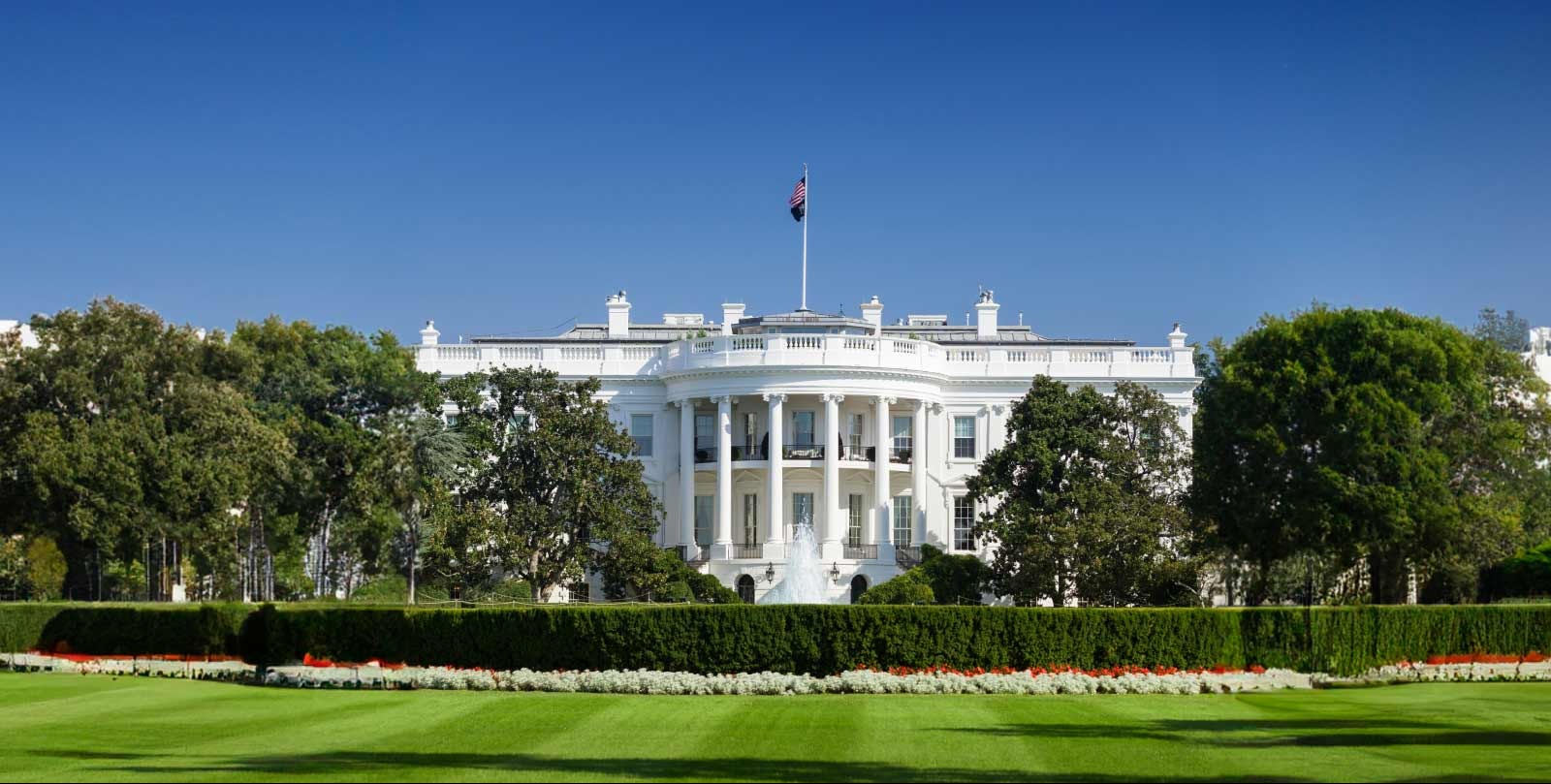
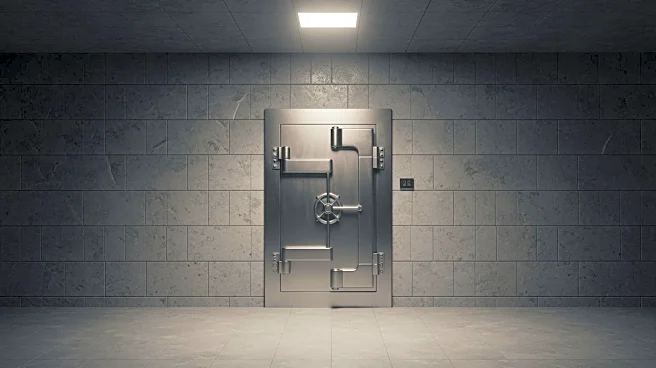
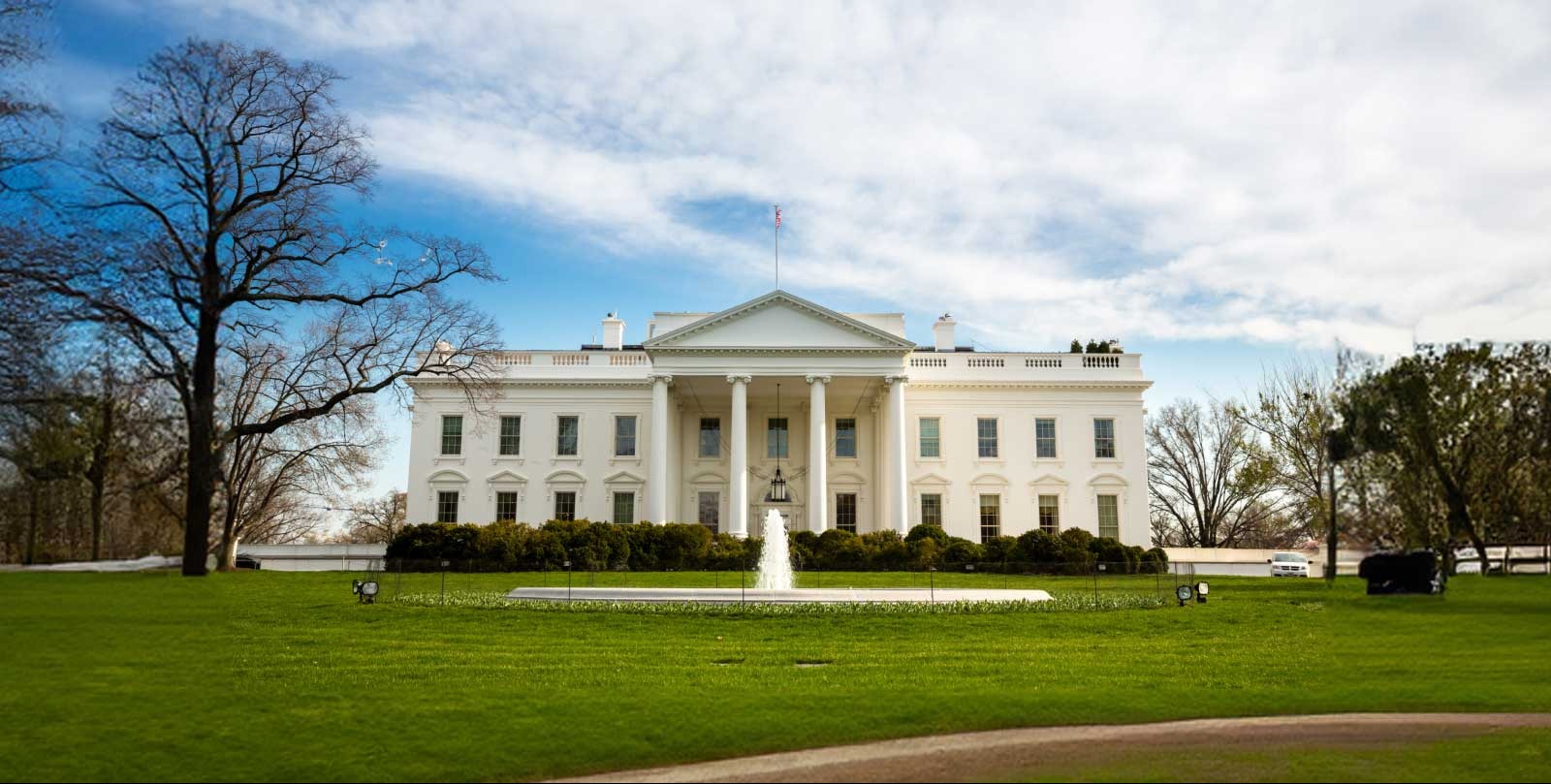
President Donald Trump is reportedly overseeing the reconstruction of a secret bunker beneath the White House's East Wing. Originally built over 80 years ago, the underground facilities are being dismantled and rebuilt as part of a larger project that
includes a new ballroom. The reconstruction has been shrouded in secrecy, with limited details available about the specific plans or the purpose of the new facilities. This development comes amid a series of controversial actions and statements by President Trump, including his recent comments about the Nobel Peace Prize and Greenland. The secrecy surrounding the bunker project has raised questions about its necessity and the motivations behind it.
Why It's Important?
The reconstruction of a secret bunker at the White House raises significant questions about national security and presidential priorities. The timing of this project, alongside President Trump's controversial statements and actions, may lead to increased scrutiny from political opponents and the public. The secrecy of the project could fuel speculation about its purpose, potentially impacting public trust in the administration. Additionally, the focus on such a project may divert attention and resources from other pressing national issues, affecting public perception of the administration's priorities.
What's Next?
As the reconstruction of the White House bunker progresses, it is likely to attract further attention from media and political analysts. Questions about the project's cost, purpose, and necessity may prompt calls for greater transparency from the administration. Political opponents may use this development to criticize President Trump's leadership and decision-making. The administration may need to address these concerns to mitigate potential backlash and maintain public confidence.
Beyond the Headlines
The secrecy surrounding the White House bunker project highlights broader issues of transparency and accountability in government. The lack of information about the project's purpose and cost may lead to debates about the balance between national security and public oversight. This development also underscores the challenges of maintaining public trust in government institutions, particularly when actions are perceived as secretive or unnecessary.