






What's Happening?
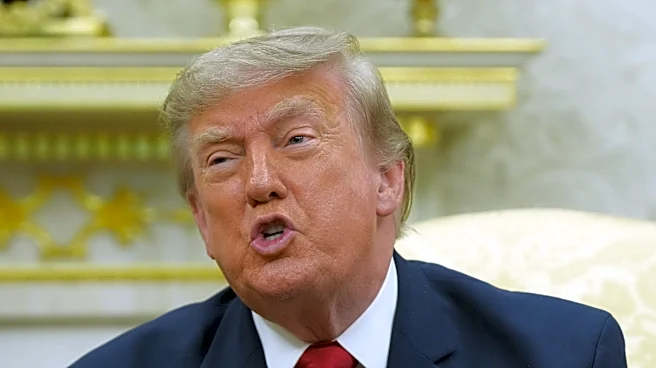
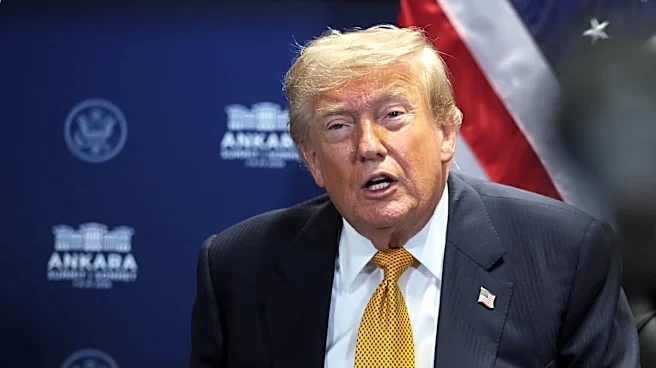
President Trump has expressed his desire for Immigration and Customs Enforcement (ICE) officers to continue conducting traffic stops, despite recent fatal shootings involving federal officers. This statement comes after ICE announced plans to suspend
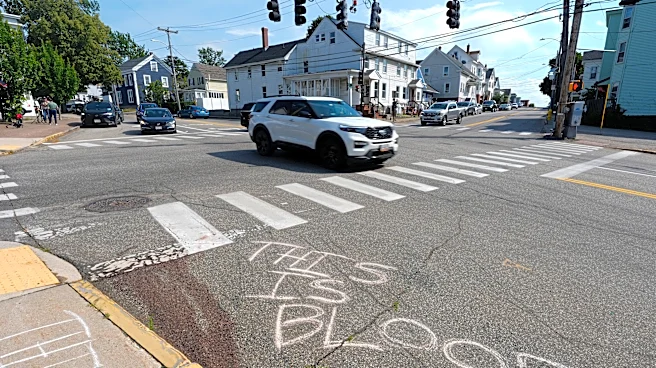
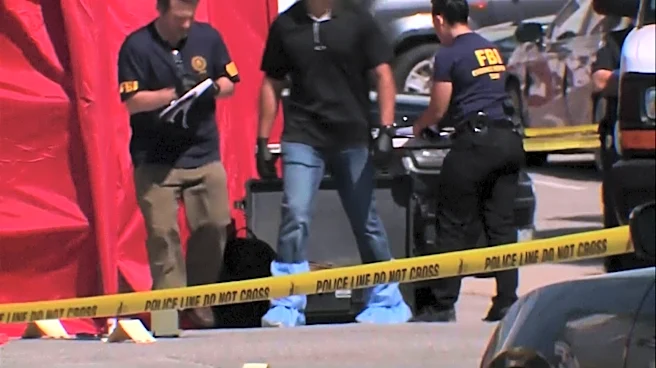
most traffic stops following a series of deadly encounters. Trump emphasized the importance of traffic stops as a critical tool in his administration's immigration enforcement strategy. The controversy arises from incidents where ICE officers have shot and killed individuals during vehicle stops, including a recent case in Maine where a Colombian national was fatally shot. The Department of Homeland Security (DHS) has faced criticism and calls for a halt to non-urgent vehicle stops, particularly from U.S. Senator Susan Collins. ICE has been under pressure to increase arrest and deportation numbers, often resorting to traffic stops as a method to apprehend individuals who are difficult to locate otherwise.
Why It's Important?
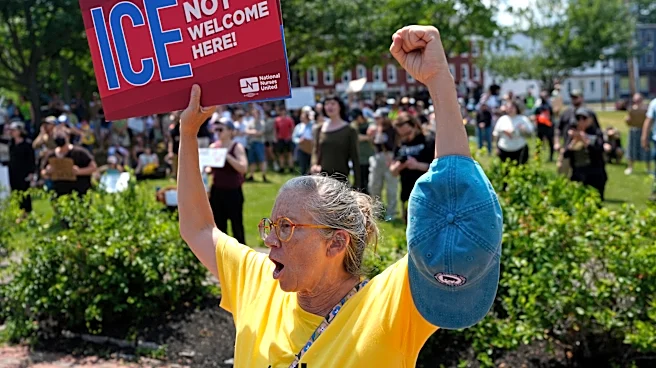
The continuation of ICE traffic stops is significant as it highlights the ongoing debate over immigration enforcement tactics in the U.S. The decision to maintain these stops, despite recent fatalities, underscores the administration's commitment to stringent immigration policies. This approach has drawn criticism from various quarters, including lawmakers and advocacy groups, who argue that such tactics can lead to unnecessary violence and undermine public safety. The situation also raises questions about the balance between enforcing immigration laws and ensuring the safety and rights of individuals. The broader implications include potential impacts on community relations, public trust in law enforcement, and the legal and ethical considerations of using force in immigration enforcement.
What's Next?
The future of ICE traffic stops remains uncertain as the agency navigates the backlash from recent incidents. Homeland Security Secretary Markwayne Mullin has stated that individuals in the country illegally will continue to be arrested and deported, but did not clarify the role of traffic stops in this process. The situation may lead to further scrutiny and potential policy adjustments as investigations into the shootings continue. Stakeholders, including lawmakers, civil rights organizations, and the public, are likely to push for greater transparency and accountability in ICE operations. The outcome of these discussions could influence future immigration enforcement strategies and the agency's operational guidelines.
Beyond the Headlines
The recent events involving ICE traffic stops bring to light deeper issues related to immigration policy and law enforcement practices in the U.S. The ethical implications of using potentially lethal force in routine enforcement activities are a point of contention. Additionally, the lack of body cameras on officers involved in the shootings raises concerns about accountability and transparency. The situation also highlights the challenges faced by immigrants and the fear of deportation that can lead to dangerous encounters with law enforcement. These developments may prompt a reevaluation of the methods used in immigration enforcement and the need for reforms to ensure the protection of human rights.