

What's Happening?
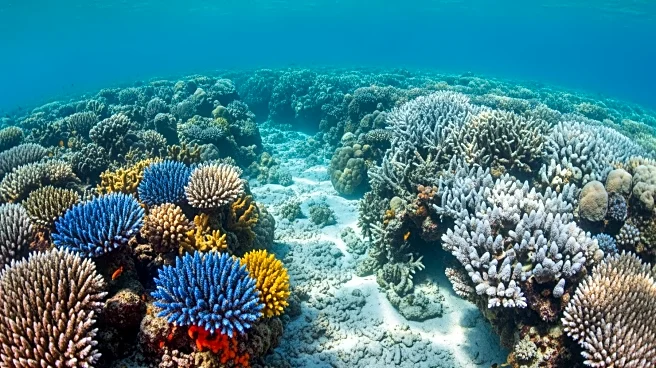
A recent report by the Global Coral Reef Monitoring Network (GCRMN) reveals a significant decline in the Caribbean coral reefs, with a 48% reduction in hard coral cover from 1980 to 2024. This decline is primarily attributed to climate change-induced
warming of sea temperatures, which has led to widespread coral bleaching. The bleaching process occurs when corals expel the symbiotic algae, zooxanthellae, that provide them with nutrients and vibrant colors, leaving the reefs vulnerable to disease and death. The report, which involved over 200 scientists from 44 countries, highlights the sensitivity of Caribbean reefs to rising temperatures, noting a 1.07°C increase in average sea surface temperatures from 1985 to 2024. Additionally, local human activities, such as pollution and coastal development, have exacerbated the situation, further stressing these vital ecosystems.
Why It's Important?
The decline of Caribbean coral reefs has far-reaching implications for both marine biodiversity and human communities. These reefs are crucial for supporting diverse marine life, small-scale fishing industries, and tourism economies. They also play a vital role in protecting coastlines from storm surges and erosion. The loss of coral reefs threatens the livelihoods of millions of people who depend on them for food and income. Furthermore, the degradation of these ecosystems could lead to a loss of biodiversity, affecting the overall health of the ocean. The report calls for urgent action to incorporate coral reefs into regional climate and biodiversity plans, reduce local pressures, and improve marine protected areas to prevent further decline.
What's Next?
The report emphasizes the need for immediate and coordinated efforts to address the threats facing Caribbean coral reefs. This includes reducing greenhouse gas emissions to mitigate climate change, implementing stricter regulations on coastal development, and enhancing marine protected areas. Scientists advocate for integrating coral reef conservation into broader climate and biodiversity strategies. The success of these efforts will depend on the collaboration of governments, environmental organizations, and local communities. Monitoring and research will continue to play a critical role in understanding the impacts of climate change and human activities on coral reefs, guiding future conservation initiatives.
Beyond the Headlines
The decline of Caribbean coral reefs highlights the broader issue of climate change's impact on marine ecosystems. It underscores the interconnectedness of environmental, economic, and social systems, where the degradation of natural resources can have cascading effects on human societies. The situation also raises ethical questions about the responsibility of developed nations in contributing to climate change and the need for equitable solutions that support vulnerable communities. Long-term, the preservation of coral reefs will require a shift towards sustainable practices and policies that prioritize environmental health alongside economic development.