
What's Happening?
The Florida detention center, known as 'Alligator Alcatraz,' is set to close by the end of June following extensive human rights and environmental lawsuits. The facility, which opened under President Trump's
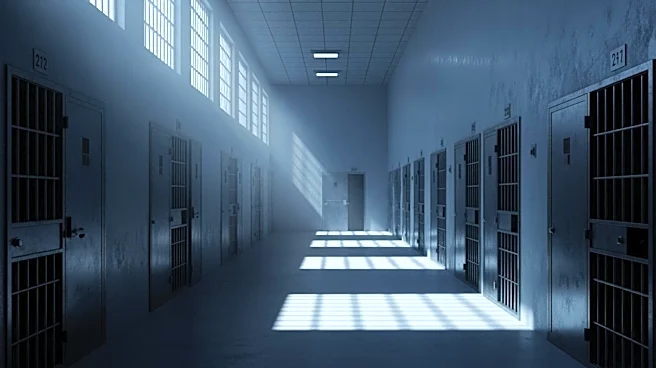
administration, has been criticized for its harsh conditions, including overcrowding and inadequate sanitation facilities. Representative Maxwell Frost (D-Fla.) highlighted the inhumane conditions after visiting the center, where detainees were reportedly crammed into cages. The closure is seen as a significant setback for the Trump administration's immigration enforcement strategy, which has faced growing public disapproval. Civil liberties organizations have reported an increase in deaths within immigration detention centers, citing a rise to one death every six days.
Why It's Important?
The closure of the detention center underscores the broader challenges and criticisms facing the Trump administration's immigration policies. The facility's closure, after costing nearly $1 billion in public funds, reflects the inefficacy and public disapproval of hard-line immigration enforcement. Polls indicate a significant drop in support for President Trump, particularly among Latino voters, who have been disproportionately affected by these policies. The rising disapproval of Trump's immigration handling, coupled with the economic impact of these enforcement actions, suggests a potential shift in public sentiment and political dynamics. The closure also highlights the ongoing human rights concerns within U.S. immigration detention facilities.
What's Next?
The closure of 'Alligator Alcatraz' may prompt further scrutiny and potential policy changes regarding immigration enforcement. As public disapproval grows, there may be increased pressure on lawmakers to address the human rights issues within detention centers. The upcoming midterm elections could serve as a referendum on the current administration's immigration policies, potentially influencing future legislative actions. Civil liberties organizations are likely to continue advocating for improved conditions and accountability within the immigration system.