


What's Happening?
The South Sudan People’s Defence Forces (SSPDF) has commenced a six-month operation in Wau County, Western Bahr el Ghazal State, aimed at confiscating illegal firearms from civilians and enhancing regional security. Major General Wol Dhel Theip, Deputy
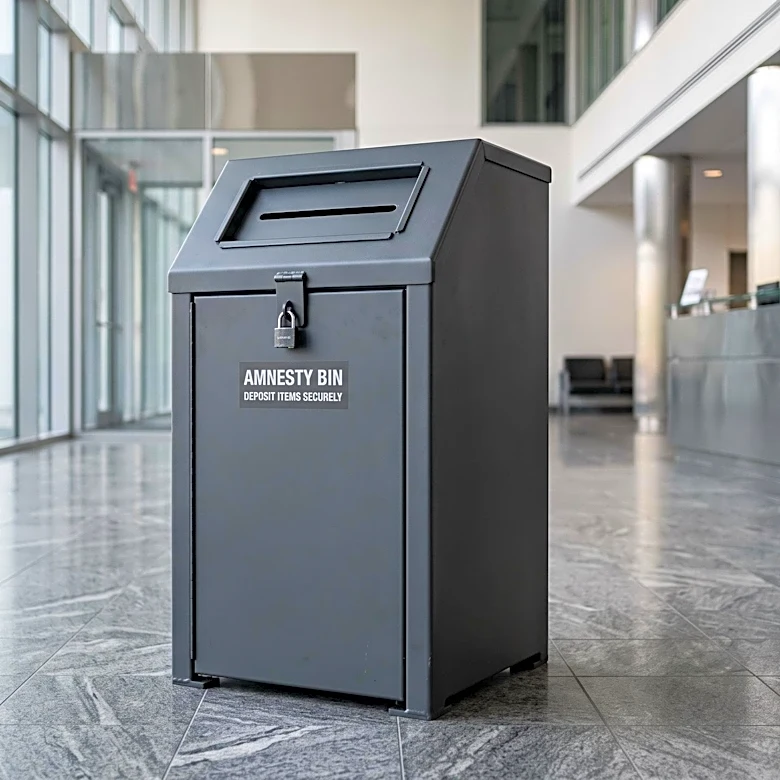
Commander of the SSPDF’s Fifth Infantry Division, confirmed the operation is part of a presidentially declared State of Emergency. Security forces will target individuals possessing unauthorized firearms and those using weapons for intimidation or looting. The emergency measures will also extend to Warrap, Lakes, and Unity states. Civilians are urged to surrender illegal weapons through local chiefs or police, with warnings of punitive action for non-compliance. General Theip emphasized that illegal guns pose a danger to citizens and electoral processes. Residents are advised to remain calm and stay indoors during the operation to allow disarmament teams to perform their duties. This initiative follows previous attempts to disarm civilians, which have faced challenges in collecting illegal firearms and resistance from communities concerned about vulnerability after surrendering weapons. A January 2024 disarmament exercise in Wau town reportedly collected 130 firearms.
Why It's Important?
This disarmament operation is crucial for improving security and stability in Wau County and the broader region of South Sudan. The proliferation of illegal firearms contributes to violence, crime, and instability, hindering development and exacerbating humanitarian challenges. By removing these weapons, the SSPDF aims to reduce armed conflict, protect civilians, and create a safer environment for daily life and future electoral processes. The success of this operation could set a precedent for other regions grappling with similar issues, potentially leading to a more peaceful and secure South Sudan. However, the historical resistance from communities highlights the complex challenges of disarmament, including trust deficits between civilians and security forces, and fears of vulnerability. The effectiveness of this campaign will depend on the SSPDF's ability to gain community cooperation and address underlying security concerns that drive civilians to possess weapons for self-defense. A successful disarmament could foster greater confidence in state institutions and pave the way for long-term peacebuilding efforts.
What's Next?
Over the next six months, the SSPDF will actively conduct operations to collect illegal firearms across Wau County and potentially other designated states. The immediate next steps involve continued public appeals for voluntary surrender of weapons, followed by targeted enforcement actions against those who refuse. The SSPDF will need to manage potential resistance from communities and ensure that the operation is conducted in a manner that respects human rights and minimizes civilian disruption. Monitoring the number of firearms collected and assessing the immediate impact on crime rates and security incidents will be critical. Furthermore, the government will likely need to implement complementary measures, such as community engagement programs and alternative security provisions, to address the concerns of communities who fear being left vulnerable after disarming. The success or failure of this six-month period will inform future security strategies and potentially influence the duration and scope of similar operations in other parts of South Sudan.
Beyond the Headlines
The civilian disarmament operation in Wau County reflects a broader challenge in post-conflict societies: balancing state authority with community security needs. While the immediate goal is to remove illegal firearms, the deeper implications involve rebuilding trust between the government and its citizens, addressing the root causes of insecurity, and establishing a monopoly on legitimate force. The resistance encountered in previous disarmament efforts suggests that communities often arm themselves due to a perceived lack of state protection or ongoing inter-communal tensions. Therefore, a purely coercive approach may not yield sustainable results. Long-term success requires comprehensive strategies that include security sector reform, justice and reconciliation mechanisms, and socio-economic development to reduce the incentives for armed self-reliance. The ethical dimension of disarmament also comes into play, as authorities must ensure that the process does not inadvertently disempower vulnerable populations or create new security vacuums. This operation is a test of the government's capacity to enforce law and order while fostering a sense of security and belonging among its diverse populations.