




What's Happening?
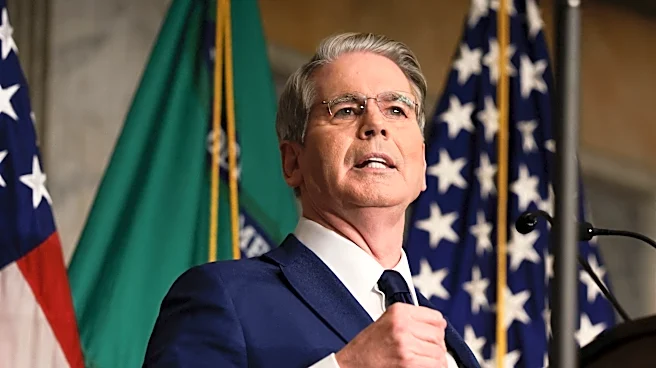
A sanctions package targeting Russia, which passed the Senate with bipartisan support in early August, has stalled in the House of Representatives. Senator Richard Blumenthal (D-Conn.) has expressed concerns regarding the timing and scope of this legislation.
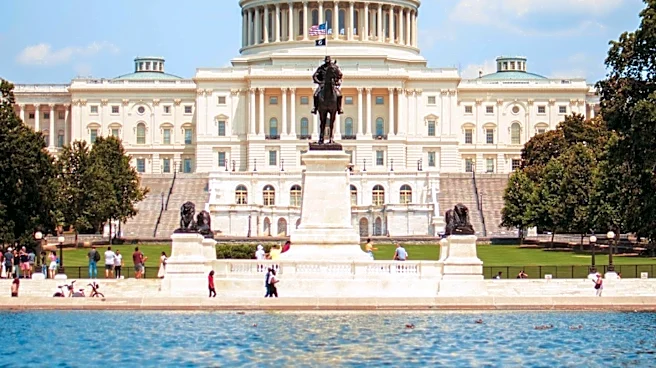
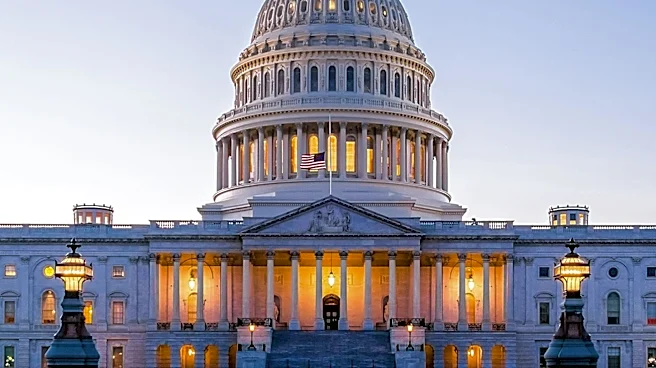
The House returned for a brief session but primarily focused on government funding and symbolic bills, with no movement on the Russia sanctions. The House is not expected to reconvene until after the midterms, leaving only four legislative days before the elections, making the passage of the sanctions bill increasingly unlikely. The delay is partly attributed to House Democrats' apprehension about a provision that would grant the President authority to impose targeted tariffs on countries purchasing significant amounts of Russian oil and gas. While Senator Blumenthal stated this authority is narrowly defined and would not impact European allies, some Democrats fear it could expand presidential tariff powers, particularly given President Trump's past actions.
Why It's Important?
The delay in passing the Russia sanctions package carries significant implications for U.S. foreign policy and international relations. The sanctions are intended to target Russian officials, oligarchs, their families, and financial institutions, aiming to exert economic pressure in response to ongoing geopolitical issues. A prolonged delay could signal a lack of unified U.S. resolve on the matter, potentially undermining the effectiveness of the sanctions and emboldening Russia. Furthermore, the internal congressional debate over presidential tariff authority highlights a broader tension between legislative oversight and executive power in foreign policy. The outcome of this legislative process could set precedents for how future sanctions and trade-related measures are handled, impacting the U.S.'s ability to respond swiftly and decisively to international crises. The bipartisan support the bill initially received in the Senate underscores the importance of the issue, making its current stagnation in the House a notable point of concern for those advocating for a strong stance against Russia.
What's Next?
The immediate future for the Russia sanctions package appears uncertain, with the House having limited legislative days before the midterm elections. Unless it is prioritized during the remaining legislative window, the bill's consideration could be postponed until after the midterms. This delay could lead to further negotiations and potential modifications to address the concerns raised by House Democrats regarding the tariff authority. Stakeholders, including Senator Blumenthal and other proponents of the sanctions, will likely continue to advocate for its passage, emphasizing the importance of holding Russia accountable. The ongoing debate also suggests that future legislative efforts involving presidential powers, particularly in trade and sanctions, may face similar scrutiny and potential delays. The outcome will depend on the ability of congressional leaders to reconcile differing views and prioritize the legislation amidst other pressing issues and the upcoming election cycle.
Beyond the Headlines
The congressional impasse over the Russia sanctions package extends beyond immediate policy implications, touching upon fundamental aspects of U.S. governance and its role on the global stage. The reluctance of some House Democrats to grant expanded tariff authority to the President, even for a specific purpose, reflects a deeper concern about the balance of power and potential executive overreach. This debate highlights the ongoing tension between the legislative and executive branches, particularly in areas of foreign policy where swift action is often deemed necessary. Moreover, the situation underscores the challenges of maintaining a consistent and robust foreign policy stance when domestic political considerations and inter-party disagreements come into play. The perceived weakening of U.S. resolve due to internal legislative delays could have broader geopolitical consequences, potentially influencing the actions of both allies and adversaries. It also raises questions about the efficacy of legislative processes in responding to rapidly evolving international situations, suggesting a need for greater consensus or more streamlined mechanisms for critical foreign policy initiatives.