









What's Happening?
The U.S.-Iran conflict has recently escalated, leading to significant volatility in the oil and financial markets. This tension was heightened by the downing of a U.S. Army helicopter near Hormuz, prompting retaliatory actions from both sides. President
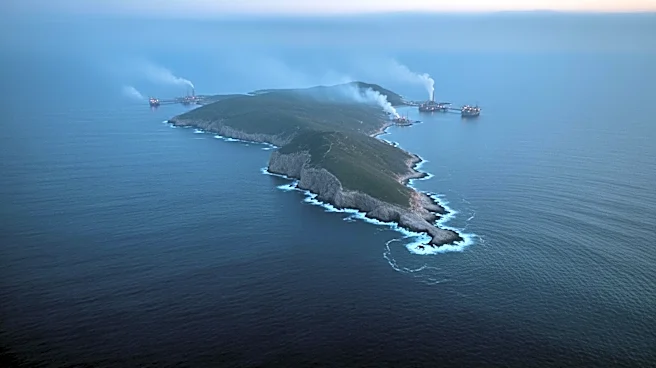
Trump threatened to seize Iran's Kharg Island, a critical point for Iran's crude exports, which initially drove oil prices up. However, later statements from President Trump indicating a potential diplomatic resolution caused a reversal in oil prices. This situation underscores the sensitivity of the oil market to geopolitical developments, particularly those involving the U.S. and Iran.
Why It's Important?
The ongoing tensions between the U.S. and Iran have significant implications for global oil markets and economic stability. The volatility in oil prices affects not only the energy sector but also broader economic conditions, influencing inflation and consumer prices. The potential for military conflict in the region could disrupt oil supplies, impacting global energy security. Additionally, the situation highlights the influence of political decisions and statements on market dynamics, with President Trump's remarks directly affecting oil price movements. This underscores the interconnectedness of geopolitical events and economic outcomes.
What's Next?
Future developments will likely depend on diplomatic efforts and military actions in the region. Stakeholders, including governments and energy companies, will be closely monitoring the situation for signs of escalation or resolution. The potential for a diplomatic agreement could stabilize markets, while further military actions might lead to increased volatility. The international community may also play a role in mediating tensions to prevent further disruptions in the oil market.