


What's Happening?
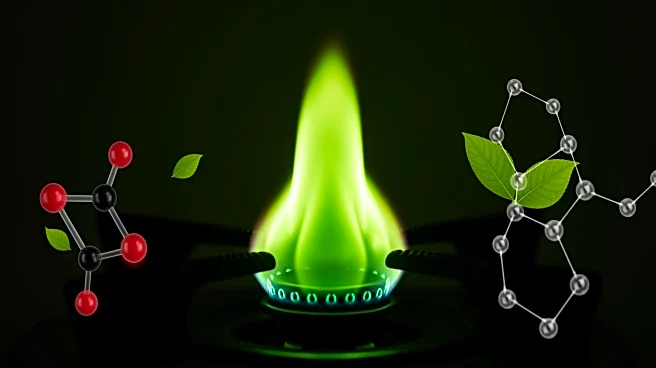
Optimal Renewable Gas (ORG), an Australian developer, has been awarded a $20 million government grant to expedite the construction of the Griffith Biohub. This $58 million project aims to convert agricultural waste from New South Wales's Riverina region
into renewable biomethane. The funding comes from the NSW Low Carbon Product Manufacturing Grant programme, part of the state's $480 million Net Zero Manufacturing Initiative. Construction is set to begin in late 2026, with commercial operations expected by 2028. The facility will initially process up to 100,000 tonnes of agricultural organic waste annually, producing around 460 terajoules of gas, enough to supply over 30,000 households. The project plans to expand its capacity to handle more than 250,000 tonnes of organic waste. Key stakeholders include Jemena Gas Networks, Baiada Poultry, and Osaka Gas Australia.
Why It's Important?
The Griffith Biohub project represents a significant step towards sustainable energy production in Australia. By converting agricultural waste into biomethane, the project not only provides a renewable energy source but also supports the regional circular economy. This initiative aligns with global efforts to reduce carbon emissions and transition to cleaner energy sources. The involvement of major stakeholders like Jemena Gas Networks highlights the potential for establishing a renewable gas market in Australia. The project's success could serve as a model for similar initiatives, promoting economic growth and environmental sustainability.
What's Next?
As construction of the Griffith Biohub is scheduled to begin in late 2026, stakeholders will focus on ensuring the project's timely completion and operational readiness by 2028. The expansion plans to increase waste processing capacity will require additional investment and collaboration with local industries. The project's success could lead to the development of more biohubs across Australia, contributing to the country's renewable energy targets. Monitoring the project's progress and its impact on the local economy and environment will be crucial for future policy and investment decisions.
Beyond the Headlines
The Griffith Biohub project underscores the growing importance of renewable energy solutions in addressing climate change. By utilizing agricultural waste, the project not only reduces landfill use but also provides a sustainable alternative to fossil fuels. The potential to capture biogenic carbon dioxide for industrial use further enhances the project's environmental benefits. This initiative could inspire other regions to adopt similar approaches, fostering innovation and collaboration in the renewable energy sector.