






What's Happening?
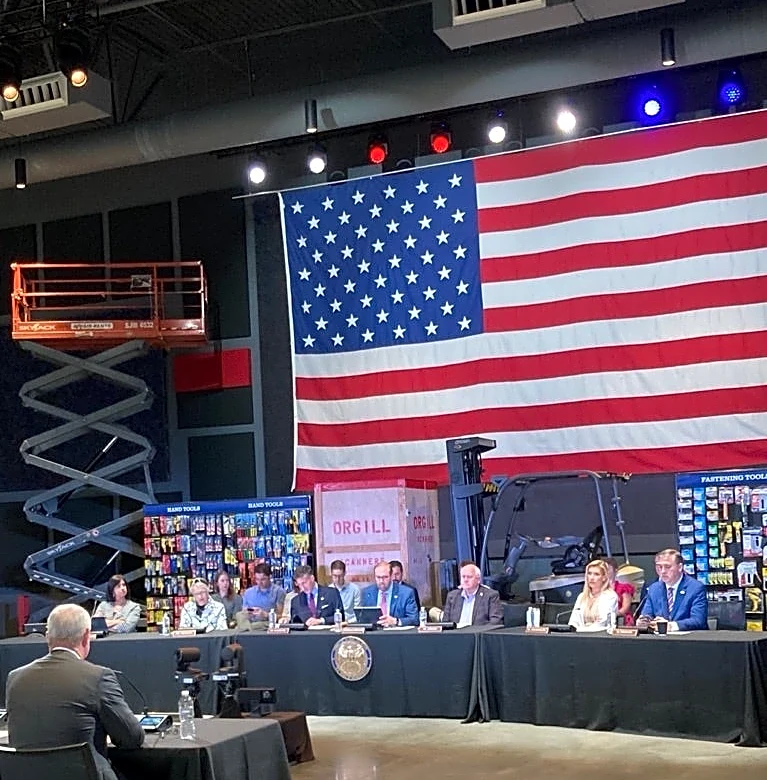
U.S. Representative Gabe Vasquez (NM-02), alongside Representatives Stansbury and Leger Fernández, has formally requested the Federal Aviation Administration (FAA) to reverse its decision to decommission the Instrument Landing System (ILS) at Double Eagle
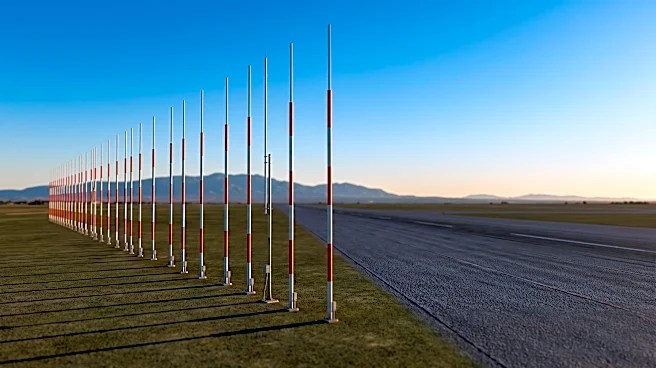
Airport II (DEII) in Albuquerque, New Mexico. The FAA initiated a study to remove this critical air safety technology without adequately addressing recent airspace closures and plane crash incidents in the New Mexico region. Pilots in New Mexico rely on both ILS and GPS for landing due to the unique challenges presented by flying commercial aircraft near military bases. The ILS provides ground-based guidance for aircraft, particularly when pilots cannot visually locate the runway, complementing GPS-enabled navigation which primarily offers lateral guidance. Manny Manriquez, Director of Aviation for the City of Albuquerque, emphasized DEII's vital role as a reliever airport for Sunport and its importance for flight training and public safety operations, asserting that maintaining ILS capability is essential for safe and effective functioning, especially when reliable navigation is most needed. Representative Vasquez highlighted the FAA's lack of sufficient answers regarding recent aviation incidents and stressed the need for more information before any navigation safety tools are decommissioned.
Why It's Important?
The potential decommissioning of the Instrument Landing System (ILS) at Double Eagle Airport II (DEII) carries significant implications for aviation safety and regional infrastructure in New Mexico. The reliance on both ILS and GPS in this area underscores the unique and complex airspace challenges, particularly due to the proximity of military bases. Removing ILS could compromise the redundancy in navigation technology, which is crucial for maintaining public safety and operational efficiency, especially during adverse weather conditions or in situations where GPS alone might be insufficient. This move could impact the airport's ability to serve as a critical reliever airport for Sunport and its functions in flight training and public safety operations. Furthermore, the call for the FAA to provide more information and address recent aviation incidents before proceeding with decommissioning highlights a broader concern about transparency and accountability in federal aviation safety decisions. The safety of air travel for constituents and the operational integrity of regional airports are at stake, potentially affecting local economies reliant on aviation services and the confidence of the flying public.
What's Next?
Representative Vasquez and his colleagues are urging the FAA to provide a briefing on airspace safety and to reconsider the decommissioning of the ILS at Double Eagle Airport II. The immediate next step involves the FAA's response to this congressional request, which will likely determine the future of the ILS technology at the airport. Stakeholders, including local aviation authorities, pilots, and the public, will be closely watching the FAA's decision and any subsequent actions. Should the FAA proceed with decommissioning, it could lead to further congressional oversight and potential legislative efforts to mandate the retention of such critical safety systems, especially given the documented unique demands of New Mexico's airspace. Conversely, if the FAA reverses its decision, it would underscore the effectiveness of congressional advocacy in influencing federal agency policies concerning regional infrastructure and public safety. The ongoing dialogue will also likely focus on improving coordination between the FAA and other agencies to prevent future aviation incidents and ensure comprehensive safety measures are in place.
Beyond the Headlines
The debate over the Instrument Landing System (ILS) at Double Eagle Airport II extends beyond immediate aviation safety concerns, touching upon broader issues of federal agency accountability, regional autonomy, and the balance between technological advancement and established safety protocols. The FAA's initiative to decommission ILS without fully addressing recent incidents raises questions about the agency's decision-making processes and its responsiveness to local conditions and congressional concerns. This situation highlights a potential tension between standardized national aviation policies and the specific needs of diverse geographical and operational environments, such as New Mexico's unique airspace challenges near military bases. Furthermore, it underscores the ethical imperative for federal bodies to prioritize public safety and transparency, especially when considering changes to critical infrastructure. The outcome of this dispute could set a precedent for how federal agencies engage with local stakeholders and congressional representatives on matters of public safety and infrastructure development, potentially influencing future policy decisions regarding the modernization and maintenance of essential services across the nation.