

What's Happening?
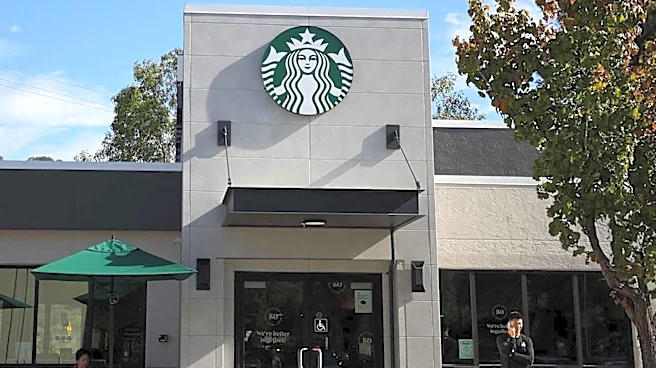
On September 2, 2026, the U.S. Court of Appeals for the Second Circuit issued a decision in Siren Retail Corp. v. NLRB, granting Starbucks' petition for review and denying enforcement of the National Labor Relations Board's (NLRB) finding that the company's
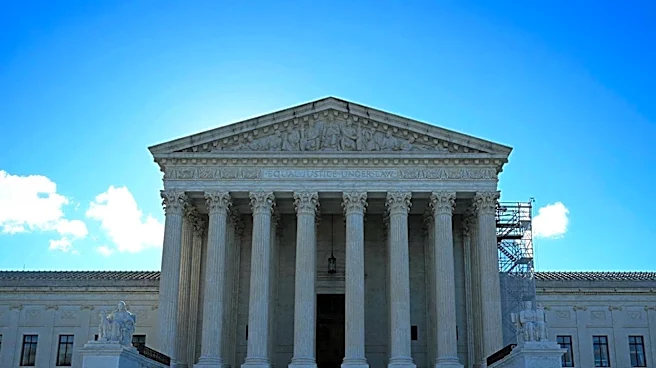
workplace dress code policies constituted unfair labor practices. The case originated from a 2022 incident where employees at a Starbucks Reserve Roastery in New York City wore union-branded shirts during a national organizing campaign. Starbucks enforced its existing dress code, which prohibited more than one union button, buttons or pins advocating political, religious, or personal issues, and shirts with unapproved writings. The NLRB had relied on its 2022 Tesla, Inc. decision, which established a rebuttable presumption that all employer-mandated dress codes limiting union insignia are presumptively unlawful, requiring employers to prove their policies were "narrowly tailored" to serve special circumstances. The Second Circuit rejected this Tesla framework, stating it was inconsistent with the Supreme Court's mandate to balance employer and employee interests, and directed the NLRB to apply a "more evenly measured balancing test" on remand.
Why It's Important?
This decision is a significant development for employers, indicating that the NLRB cannot subject every employer dress code or uniform policy to a rigid presumption of illegality and a strict-scrutiny-like standard of review. The Second Circuit's rejection of the Tesla framework restores a more balanced approach, acknowledging employers' interests in maintaining workplace standards alongside employees' organizing rights. For employers, this means that while they cannot prohibit all union insignia, they are not automatically presumed to be acting unlawfully if their dress code policies include partial restrictions. This ruling provides clarity that employers should review their existing dress code and uniform policies to ensure they are facially neutral, nondiscriminatory, and consistently applied. The court outlined three factors for the NLRB to consider: the extent of the intrusion on employee Section 7 rights, whether the policy is facially neutral and consistently enforced, and the context or circumstances underlying the restriction. This shift could influence how companies manage their brand image and workplace environment while navigating unionization efforts.
What's Next?
The case will be remanded to the NLRB, which will now be required to apply the "more evenly measured balancing test" as directed by the Second Circuit. This means the NLRB will need to re-evaluate Starbucks' dress code policies, considering the extent of the intrusion on employee rights, the neutrality and consistent enforcement of the policy, and the specific context of the restrictions. This decision may lead to a re-examination of other NLRB rulings that relied on the Tesla framework, potentially impacting numerous ongoing and future labor disputes. Employers are advised to review and potentially revise their dress code and uniform policies to align with this new judicial standard, focusing on neutrality, consistent application, and a clear justification for any restrictions on union insignia. The outcome of the remanded case will set a precedent for how employer dress codes are assessed in relation to employee organizing rights under the National Labor Relations Act.
Beyond the Headlines
The Second Circuit's ruling delves into the fundamental tension between an employer's right to control its brand image and workplace environment, and an employee's federally protected right to engage in concerted activities, including displaying union insignia. By rejecting the NLRB's strict Tesla standard, the court emphasizes that a blanket presumption of illegality for dress code policies limiting union insignia places an undue burden on employers. This decision highlights the judiciary's role in interpreting and balancing the provisions of the National Labor Relations Act, potentially leading to a more nuanced understanding of what constitutes an unfair labor practice. Ethically, it raises questions about the extent to which corporate branding can supersede individual expression in the workplace, especially when that expression relates to protected labor activities. Culturally, it reflects the ongoing debate about the power dynamics between corporations and their workforce, particularly in an era of increased unionization efforts across various sectors.