

What's Happening?
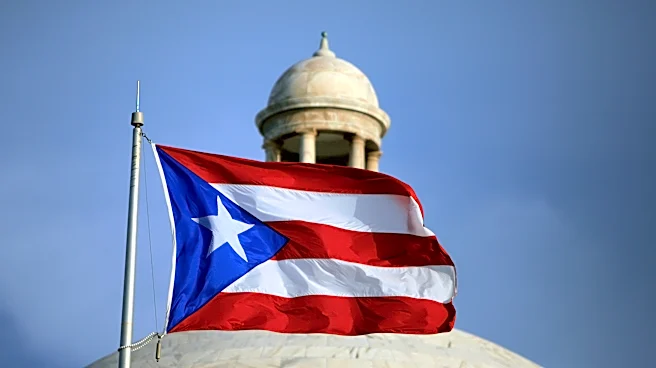
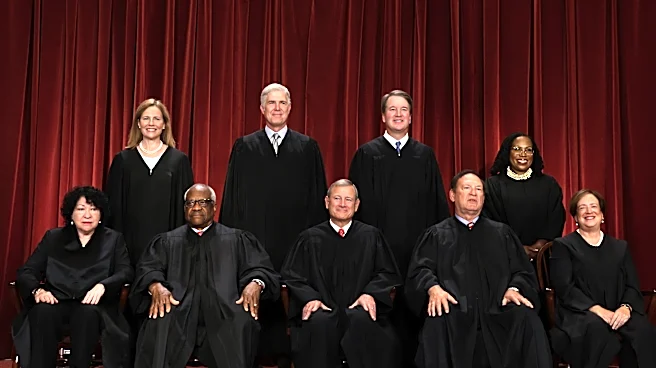
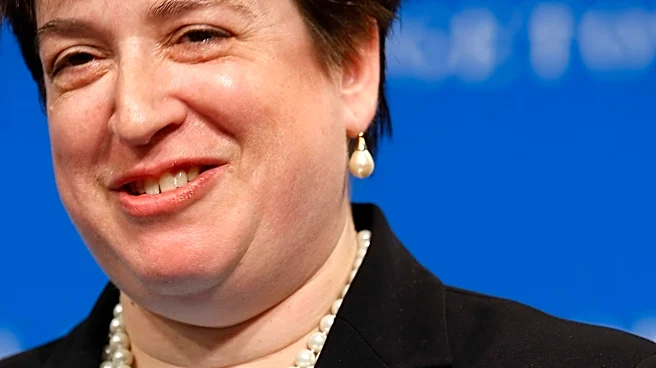
In the 2016 Supreme Court case *Puerto Rico v. Sánchez Valle*, Justice Elena Kagan, writing for the majority, determined that the ultimate source of Puerto Rico's prosecutorial authority originates from the U.S. Congress. This ruling addressed whether
Puerto Rico and the federal government could be considered separate sovereigns for the purpose of the Double Jeopardy Clause. The Court concluded that despite Puerto Rico exercising substantial local governmental powers, these powers do not stem from a source of sovereignty independent of the federal government in the specific constitutional context of the case. Justices Stephen Breyer and Sonia Sotomayor dissented, reflecting differing interpretations of the constitutional significance of the 1952 Commonwealth arrangement and Puerto Rico's self-governance. This decision is a key element in understanding the complex constitutional relationship between Puerto Rico and the United States, particularly regarding the extent of its autonomy versus federal oversight.
Why It's Important?
This Supreme Court decision is significant because it reinforces the view that Puerto Rico's governmental powers, including its prosecutorial authority, are ultimately derived from the U.S. Congress, rather than from an inherent, independent sovereignty. This has profound implications for Puerto Rico's status as an unincorporated territory and its ongoing debates about self-determination. The ruling clarifies the limits of Puerto Rico's autonomy under the U.S. Constitution, particularly in areas where federal and territorial jurisdictions might overlap. For legal scholars and policymakers, *Sánchez Valle* serves as a critical precedent in discussions about territorial sovereignty, federalism, and the application of constitutional rights in U.S. territories. It underscores the continued congressional authority over Puerto Rico, impacting future legislative efforts concerning its political status, whether statehood, independence, or free association.
What's Next?
The *Sánchez Valle* decision, while specific to the Double Jeopardy Clause, contributes to the broader legal framework that will influence future discussions and potential legislative actions regarding Puerto Rico's political status. While the ruling itself does not directly alter Puerto Rico's current territorial status, it provides a legal foundation that proponents of continued federal oversight may cite. Conversely, advocates for greater Puerto Rican autonomy or statehood may need to address the implications of such rulings in their arguments for a change in status. Any future congressional action on Puerto Rico's status, such as the Puerto Rico Democratic Self Determination Act introduced in 2026, will likely be debated within the context of judicial interpretations like Justice Kagan's, which define the scope of federal power and territorial authority. The ongoing political discourse and any future plebiscites will continue to grapple with these constitutional realities.
Beyond the Headlines
The *Sánchez Valle* ruling, authored by Justice Kagan, delves into the fundamental nature of sovereignty within the U.S. constitutional system as it applies to territories. It highlights the enduring legal complexities stemming from the Insular Cases and the unique status of Puerto Rico as an unincorporated territory. The decision implicitly raises questions about the democratic rights of U.S. citizens residing in Puerto Rico, who are subject to federal laws and judicial decisions but lack full voting representation in Congress or presidential elections. Ethically, the ruling contributes to the ongoing debate about self-determination for the people of Puerto Rico, as their local governmental powers are ultimately traced back to a distant legislative body. This legal interpretation underscores the long-term tension between the desire for local self-governance and the constitutional framework that places ultimate authority with the U.S. Congress, shaping the island's political identity and future trajectory.