





What's Happening?
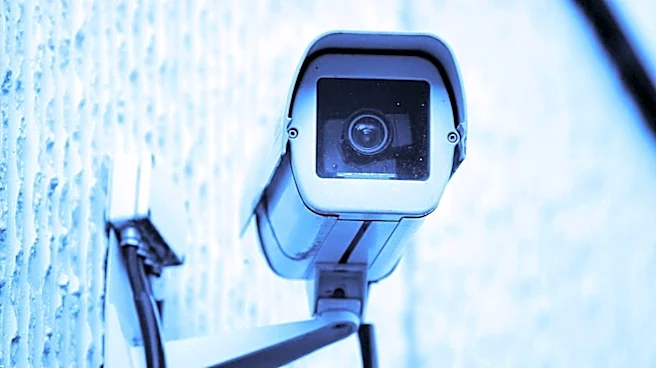
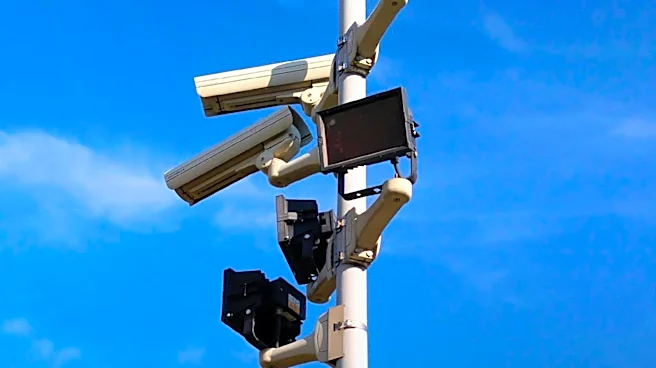
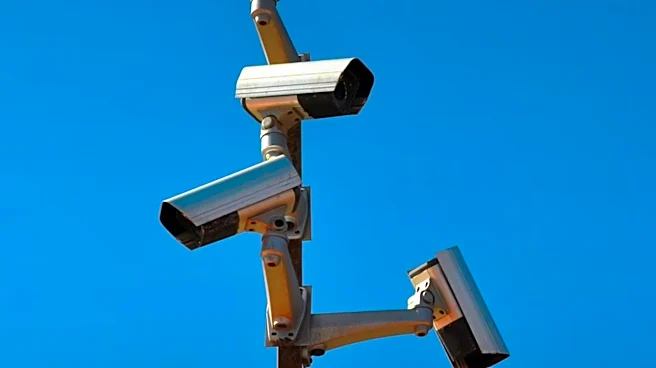
Western Australia Police have launched a five-month trial of real-time facial recognition technology, resulting in several arrests. The technology scans faces in public spaces and cross-references them with a database of individuals with outstanding warrants
or other legal issues. While the police tout the technology as a tool for public safety, it has sparked privacy concerns among experts and regulators, who warn of potential privacy harms and algorithmic biases.
Why It's Important?
The deployment of real-time facial recognition technology raises significant privacy and ethical concerns. Critics argue that the technology could lead to unwarranted surveillance and discrimination, particularly against marginalized groups. The trial's outcome could influence future policies and regulations regarding the use of biometric surveillance in law enforcement, impacting public trust and civil liberties.
What's Next?
The trial will be monitored by privacy regulators to ensure compliance with privacy laws. Depending on the trial's results, there may be calls for stricter regulations or even a halt to the technology's use. Public and legal scrutiny will likely continue, with potential implications for the broader adoption of facial recognition technology in law enforcement.