









What's Happening?
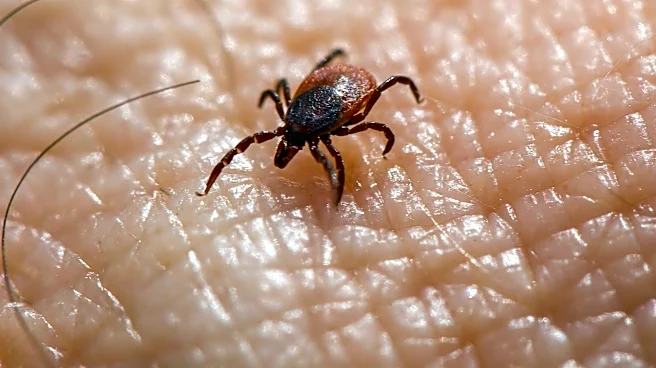
Consumer Reports has highlighted the increasing threat of ticks, not only in hiking trails and wooded areas but also in residential backyards. According to Paul Hope from Consumer Reports, ticks thrive in tall grass and damp, shaded areas. To mitigate
this risk, it is recommended to keep grass trimmed to about 3 inches, which discourages ticks while maintaining lawn health. Additionally, creating a three-foot barrier of dry wood chips or gravel between lawns and wooded areas can prevent ticks from entering yards. The presence of deer and mice, which can carry ticks, should also be managed by using tall fences and bait boxes. These measures are crucial as ticks can carry diseases that pose health risks to humans.
Why It's Important?
The spread of ticks and the diseases they carry, such as Lyme disease, is a growing public health concern in the U.S. As ticks become more prevalent in residential areas, the risk of tick-borne illnesses increases, affecting public health and safety. Effective yard management and preventive measures can significantly reduce the likelihood of tick encounters, thereby protecting families and pets. This is particularly important as climate change and urbanization may contribute to the expansion of tick habitats, making proactive measures essential for public health.
What's Next?
Homeowners are encouraged to implement the recommended preventive measures to reduce tick exposure. Public health campaigns may increase to raise awareness about tick prevention and the importance of yard maintenance. Additionally, further research into tick habitats and behavior could lead to more effective strategies for managing tick populations in residential areas.