






What's Happening?
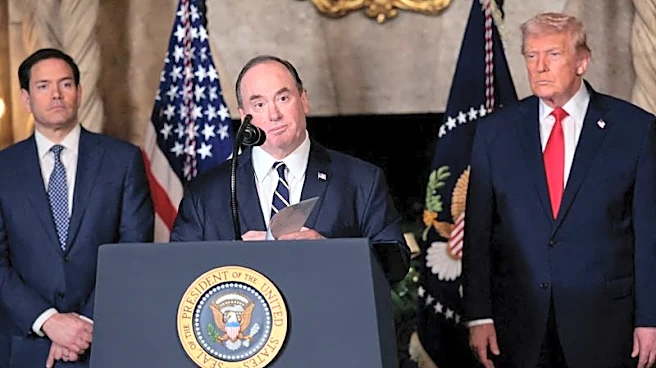
Defense Secretary Pete Hegseth has announced a significant policy change regarding the flu vaccine for U.S. military personnel. The new directive, effective immediately, makes the annual influenza vaccine optional for all active and reserve service members,
as well as Defense Department civilian personnel. Hegseth emphasized that the decision was based on the principle of personal freedom, allowing service members to choose whether the flu vaccine is in their best interest. This marks a departure from a longstanding policy that has required vaccinations for military personnel since the 1950s. Health experts have expressed concerns about the potential impact on military readiness, noting that contagious diseases like influenza can significantly affect troops, especially those in close quarters.
Why It's Important?
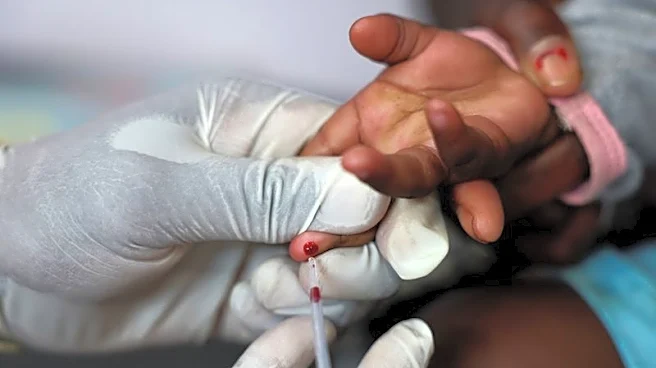
The decision to make the flu vaccine optional for military personnel could have far-reaching implications for military readiness and public health. Historically, vaccines have played a crucial role in maintaining the health of service members, preventing outbreaks of diseases that could incapacitate units. Health experts warn that the new policy might undermine the medical readiness of troops, as influenza can spread rapidly in close quarters, potentially affecting entire units. The policy shift reflects a broader trend under the Trump administration towards prioritizing individual choice over mandatory health measures, a stance that has been controversial, particularly in the context of the COVID-19 pandemic.
What's Next?
The new policy is likely to spark debate among military and public health officials about the balance between individual freedom and collective health responsibilities. There may be calls for further evaluation of the policy's impact on military readiness and potential adjustments if significant health issues arise. Additionally, the decision could influence future policies regarding other vaccines and health mandates within the military, potentially leading to broader discussions about medical autonomy and public health strategy.
Beyond the Headlines
The policy change raises ethical and operational questions about the role of personal freedom in military settings, where collective action and readiness are paramount. It challenges the traditional military approach of prioritizing unit cohesion and operational effectiveness over individual preferences. The decision also reflects a broader societal debate about vaccine mandates and personal choice, which has been a contentious issue in recent years, particularly during the COVID-19 pandemic.