




What's Happening?
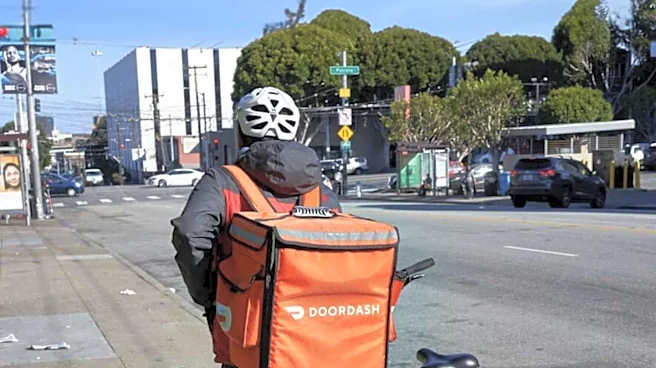
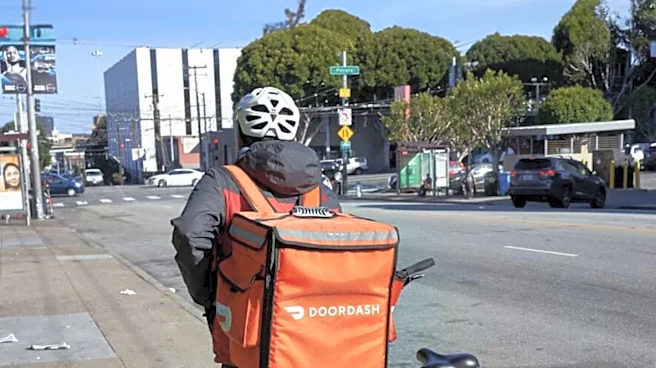
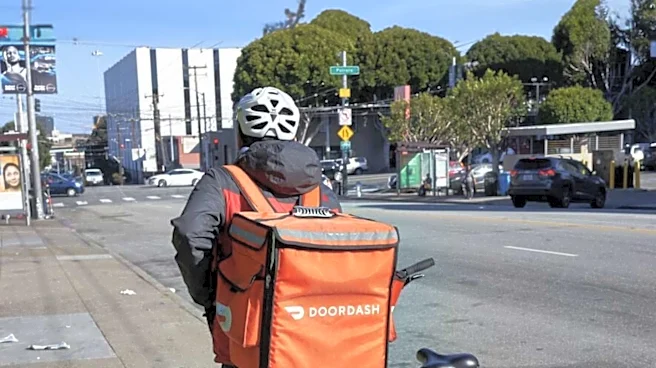
CBS Sports college football analyst Danny Kanell reported on social media that his DoorDash driver allegedly stole his food order. Screenshots shared by Kanell show a conversation with the driver, identified as Trinity, who explicitly stated intentions
to consume the order and later confirmed doing so, responding with phrases like 'Sharing is caring right just get a new one.' This incident highlights ongoing issues with theft and scams within the DoorDash delivery platform, where drivers operate as independent contractors. The company has faced similar challenges, including a case in February 2026 where five individuals pleaded guilty to defrauding DoorDash of over $2.5 million through phantom delivery orders. Additionally, in May, a DoorDash driver in Pennsylvania was charged with theft for taking an order home instead of delivering it. These events underscore persistent vulnerabilities in the delivery service model despite DoorDash's efforts to implement precautionary measures.
Why It's Important?
This incident involving a public figure like Danny Kanell brings renewed attention to the security and reliability of third-party delivery services like DoorDash. For consumers, it raises concerns about the integrity of their orders and the potential for financial loss or inconvenience. For DoorDash, such incidents can erode customer trust and damage its brand reputation, potentially leading to decreased usage or increased scrutiny from regulators. The independent contractor model, while offering flexibility, also presents challenges in oversight and accountability, making it difficult to prevent all instances of misconduct. The broader implications include a potential shift in consumer behavior towards more secure delivery options or increased demand for stricter vetting processes and accountability mechanisms for delivery personnel across the industry.
What's Next?
DoorDash will likely face continued pressure to enhance its security protocols and driver vetting processes to mitigate theft and fraud. This could involve implementing more robust identity verification for drivers, improving real-time tracking and delivery confirmation systems, or refining customer support procedures for reporting and resolving such incidents. Consumers may become more cautious, potentially opting for cash-on-delivery or pickup options, or choosing platforms perceived as more secure. The incident could also prompt discussions within the gig economy about the balance between worker flexibility and platform accountability, potentially leading to industry-wide changes in how independent contractors are managed and monitored to ensure service quality and prevent criminal activity.
Beyond the Headlines
The repeated instances of theft and fraud within delivery services like DoorDash point to a systemic challenge in the gig economy: balancing rapid growth and convenience with robust security and accountability. The independent contractor model, central to these platforms, allows for scalability but also creates a distance between the company and its service providers, complicating direct oversight. This raises ethical questions about the responsibility of platforms to protect both customers and legitimate drivers from bad actors. Legally, these incidents could lead to increased calls for consumer protection regulations specific to delivery services, potentially impacting how these companies operate and the liabilities they bear. Culturally, a growing distrust in delivery services could alter consumer reliance on them, pushing for innovations that prioritize security and transparency in the last-mile delivery process.