




What's Happening?
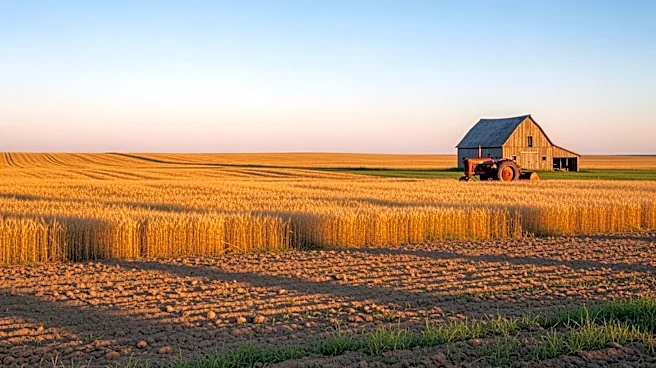
The 2026 Northeast Colorado Intersections report, released by Colorado State University and the NoCo Foundation, highlights the vulnerabilities and resilience of the region's agricultural community. The report examines economic trends, healthcare and housing
access, and demographic shifts in six counties. Despite being a top agricultural producer, the region faces high food insecurity, with 16% of the population enrolled in SNAP benefits. The report also notes challenges such as an aging population, climate change impacts, and limited grocery store options.
Why It's Important?
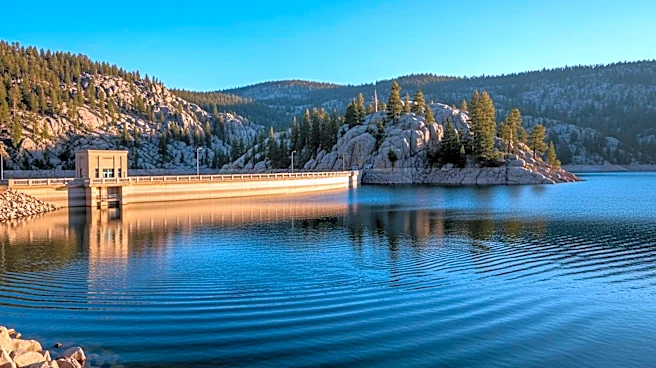
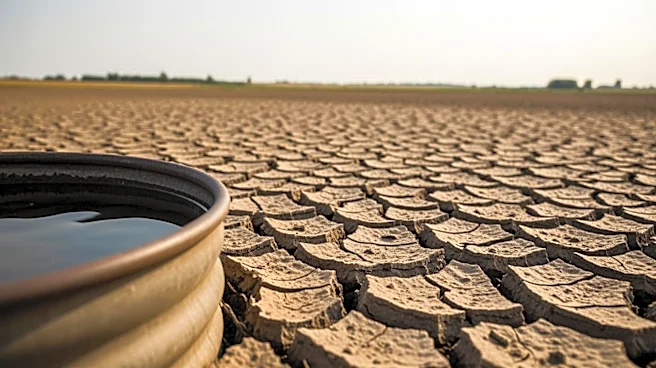
Northeast Colorado's agricultural sector is crucial to the state's economy, but the report underscores the need for diversification to address economic and demographic challenges. The region's reliance on agriculture makes it vulnerable to climate change, with drought and severe storms posing significant risks. However, the report also highlights opportunities for growth, such as the expansion of renewable energy industries, which could stabilize wages and attract younger populations. Addressing these challenges is vital for sustaining the region's economic and cultural identity.
What's Next?
The report suggests that continued investments in healthcare and diversification of the economy are essential for the region's future. By embracing new industries and improving infrastructure, Northeast Colorado can mitigate the impacts of climate change and demographic shifts. Policymakers and community leaders may focus on developing strategies to enhance food access, support aging populations, and attract new residents. The findings could also inform state and local initiatives aimed at strengthening the region's resilience.