






What's Happening?
A 2025 JAMA Network Open randomized clinical trial involving 1,458 employees found that participants who engaged in a brief digital mindfulness program experienced significant reductions in perceived stress after eight weeks, compared to a control group.
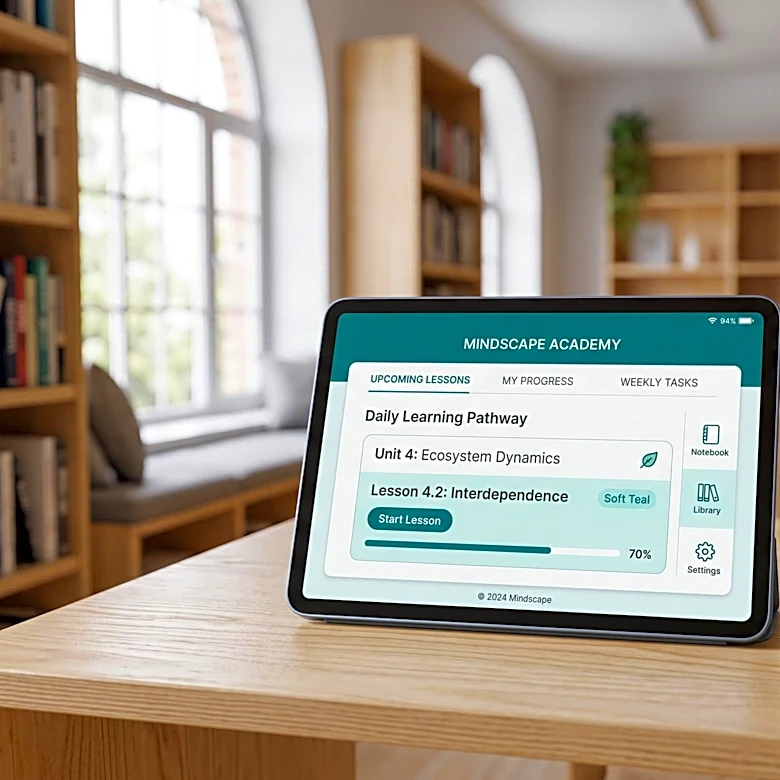
The study highlights the effectiveness of app-based mindfulness practices in managing everyday stress and anxiety. While mindfulness and meditation are often used interchangeably, the National Center for Complementary and Integrative Health distinguishes mindfulness as a specific practice focused on present-moment, nonjudgmental awareness, whereas meditation is a broader term encompassing various techniques like visualization and mantra repetition. Mindfulness apps typically prioritize attention training, focusing on breath, sounds, or bodily sensations, without attempting to suppress thoughts or feelings. This research suggests that phone-based mindfulness practices can be a meaningful component of stress management.
Why It's Important?
The findings from the JAMA Network Open trial are significant for U.S. workplaces and public health, indicating that accessible digital tools can play a crucial role in employee well-being. With rising levels of workplace stress, the availability of effective, app-based mindfulness programs offers a scalable solution for companies looking to support their employees' mental health. This can lead to improved productivity, reduced absenteeism, and a healthier work environment. For individuals, these apps provide a convenient and private way to practice mindfulness, potentially reducing the burden on traditional clinical care. The distinction between mindfulness and meditation also helps users choose the most appropriate app for their specific goals, whether it's calming down for sleep or managing reactivity during a chaotic workday.
What's Next?
The growing body of research supporting the efficacy of mindfulness apps suggests a continued integration of these tools into corporate wellness programs and individual self-care routines. As more studies validate their benefits, there may be increased investment in developing more sophisticated and personalized mindfulness applications. Healthcare providers might also begin to recommend these apps as supplementary tools for patients managing stress and anxiety, though the source emphasizes they are not a substitute for clinical care. The focus on attention training in mindfulness apps could also lead to further research into their potential benefits for cognitive function and emotional regulation beyond just stress reduction.
Beyond the Headlines
The rapid maturation of research into app-based mindfulness reflects a broader societal trend towards digital solutions for health and wellness. This development raises important questions about the future of mental health care, particularly the balance between digital self-help and professional clinical intervention. While apps offer unprecedented accessibility, ensuring their quality, ethical use of data, and integration with broader healthcare strategies will be crucial. The increasing reliance on technology for mental well-being also highlights the need for digital literacy and critical evaluation of app claims, ensuring that users choose tools that genuinely support their mental health journey rather than offering superficial solutions.