






What's Happening?
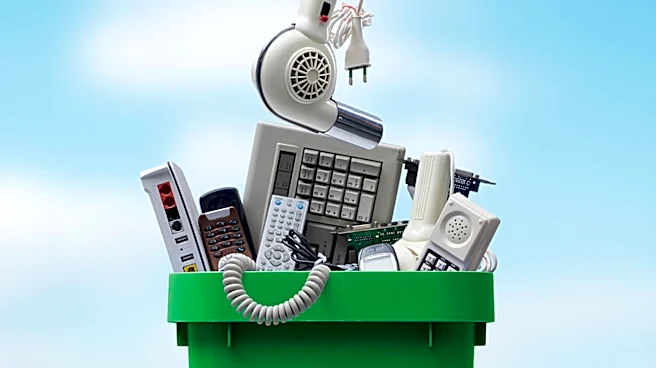
New Jersey residents are preparing for fall cleanup, which involves specific regulations for disposing of certain household items. Under the state's Electronic Waste Management Act, it is illegal to discard computers, monitors, laptops, televisions, and
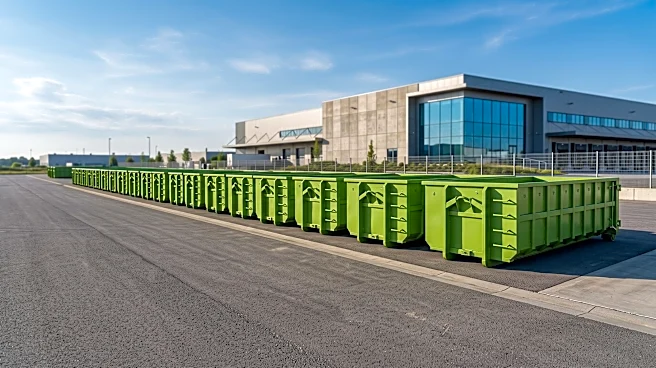
desktop printers with regular garbage. Manufacturers are mandated to provide free recycling options for these electronics, and most counties offer free electronics drop-off events or permanent hazardous waste facilities. For items like gas-powered lawn mowers, while not as strictly classified as electronics, they cannot be disposed of with fuel or oil still in their tanks. Municipalities often require these to be drained before bulk pickup, and dumping fuel on the ground is prohibited. Scrap metal recyclers are an alternative for drained mowers. Additionally, renting a dumpster for personal property on a driveway or side yard generally does not require a permit, but certain items like gasoline, propane tanks, motor oil, electronics, tires, and batteries are universally banned from all dumpsters in New Jersey.
Why It's Important?
These regulations are crucial for environmental protection and public safety in New Jersey. The Electronic Waste Management Act aims to prevent hazardous materials found in electronics from contaminating landfills and groundwater, promoting responsible recycling practices. By requiring manufacturers to offer free recycling, the state shifts some of the burden and cost of waste management from individual citizens and municipalities to the producers of these goods. Similarly, the rules for draining fuel and oil from lawn mowers before disposal are vital to prevent soil and water pollution, as well as to mitigate fire hazards. The restrictions on what can be placed in dumpsters, even private ones, underscore a broader commitment to managing hazardous waste streams effectively. These measures collectively contribute to a cleaner environment, reduce the strain on waste management infrastructure, and protect public health by minimizing exposure to toxic substances.
What's Next?
As fall cleanup season progresses, New Jersey residents are expected to adhere to these disposal guidelines. Counties and municipalities will likely continue to promote their e-waste drop-off events and hazardous waste facilities to facilitate compliance. Individuals with old electronics will need to seek out these designated recycling programs, while those disposing of gas-powered equipment will need to ensure proper draining of fluids. The enforcement of these regulations will likely continue through local waste management authorities. Residents planning to use dumpsters for general cleanup will need to be mindful of the prohibited items to avoid fines or issues with waste collection services. The ongoing public awareness campaigns and accessible recycling options will be key to ensuring widespread adherence to these environmental protection measures.
Beyond the Headlines
The strict waste disposal regulations in New Jersey highlight a growing national trend towards extended producer responsibility and more stringent environmental protection laws. The mandate for manufacturers to offer free electronics recycling reflects a policy approach where companies are held accountable for the entire lifecycle of their products, including their end-of-life disposal. This can incentivize manufacturers to design more durable and recyclable products. The challenges faced by individuals in properly disposing of items like hard drives, as noted in the source, also underscore the need for accessible and secure data destruction services, which many e-waste recyclers now provide. This addresses not only environmental concerns but also personal data security. These regulations, while sometimes perceived as inconvenient, are part of a larger societal shift towards sustainable consumption and waste management, aiming to mitigate the long-term environmental and health impacts of modern consumerism.