




What's Happening?
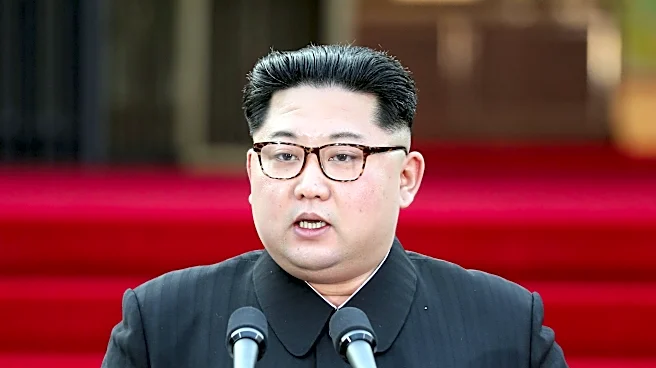
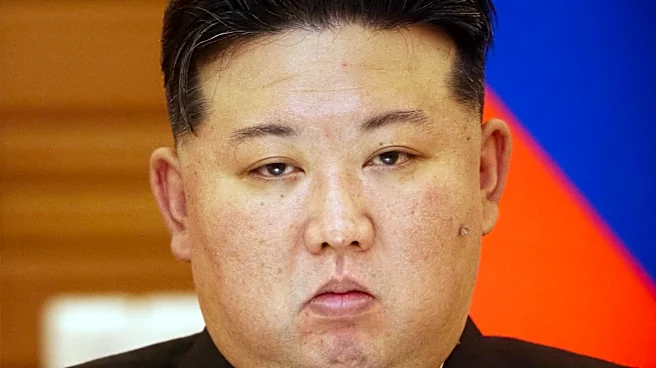
General Secretary Kim Jong-un recently inspected the construction of a significant naval base on North Korea's east coast, a project he described as crucial for national security and maritime sovereignty. This inspection follows a visit to the Nampo Shipyard
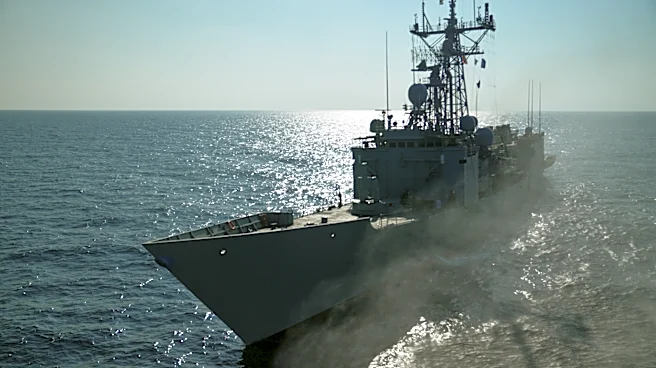
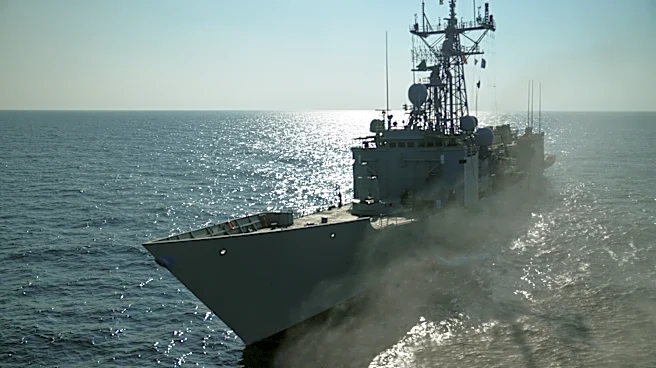
on November 2, where photos revealed a hull believed to be a 10,000-ton cruiser that North Korea had previously announced plans to build. Additionally, on November 9, institutions including the Academy of National Defense Science conducted tests on a new torpedo weapon, slated for naval deployment in early 2027. These developments indicate a strategic shift towards enhancing naval power, following years of focus on developing missile capabilities for nuclear warheads. The specific location of the naval base was not disclosed, but it is likely the same site, Dapchon Port in Munchon, Gangwon Province, that Kim Jong-un inspected two years prior when he ordered its construction.
Why It's Important?
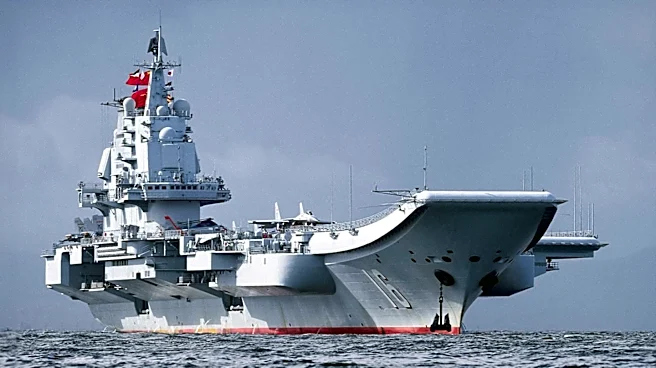
North Korea's intensified focus on naval expansion, including the construction of a new naval base and the development of advanced torpedo weapons and large warships, signals a significant shift in its military strategy. This move is likely a response to the deployment of U.S. aircraft carrier strike groups, nuclear-powered propulsion submarines, and nuclear submarines to the Korean Peninsula. By expanding its naval capabilities, North Korea aims to deter the presence of these U.S. assets and counter what it perceives as 'nuclear blackmail and threats of regional adversaries.' The emphasis on maritime sovereignty and national security underscores a long-term commitment to strengthening its defense posture, potentially escalating tensions in the region and impacting the geopolitical landscape. The development of 10,000-ton cruisers and nuclear-armed vessels would represent a substantial upgrade to North Korea's military might, posing new challenges for regional stability and international security.
What's Next?
North Korea is expected to continue accelerating its naval expansion efforts, with the new high-speed torpedo system scheduled for deployment in early 2027. The completion of the naval base and the construction of larger warships, including 10,000-ton cruisers, will likely proceed as a priority. This military buildup could lead to increased surveillance and counter-measures from the U.S. and its allies in the region, such as South Korea and Japan. The U.S. may respond by further strengthening its naval presence or engaging in more frequent joint military exercises to demonstrate its commitment to regional security. The ongoing developments could also influence diplomatic efforts, potentially leading to renewed calls for denuclearization talks or, conversely, a hardening of positions from all parties involved. The international community will closely monitor North Korea's naval advancements for their implications on regional stability and global security.
Beyond the Headlines
The strategic shift by North Korea towards bolstering its naval power has deeper implications beyond immediate military capabilities. It suggests a long-term vision for projecting power and asserting its sovereignty in maritime domains, potentially challenging existing naval balances in the East Asian region. The development of nuclear-armed warships, if realized, would fundamentally alter the nature of naval deterrence and could lead to a new arms race in the region. This move also highlights North Korea's determination to develop indigenous military technologies, reducing its reliance on external powers. The emphasis on 'a new geopolitical situation' and the need to 'decisively suppress by force' perceived threats indicates a more assertive and potentially confrontational stance in international relations. This could lead to increased maritime incidents, heightened tensions, and a more complex security environment in the Indo-Pacific.