
What's Happening?
Ukrainian President Volodymyr Zelenskyy has warned of imminent large-scale attacks by Russia, expected to involve drones, cruise, and ballistic missiles. This comes after a significant aerial assault on Kyiv,
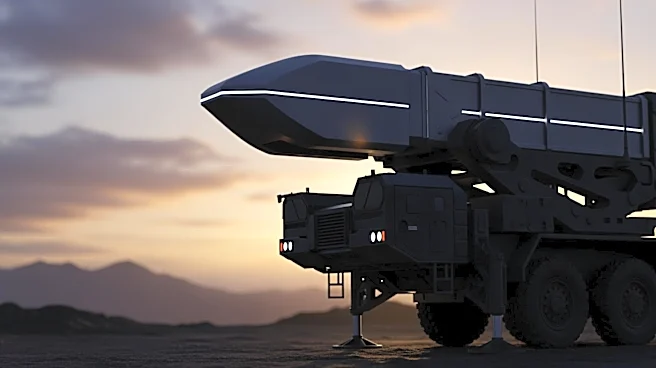
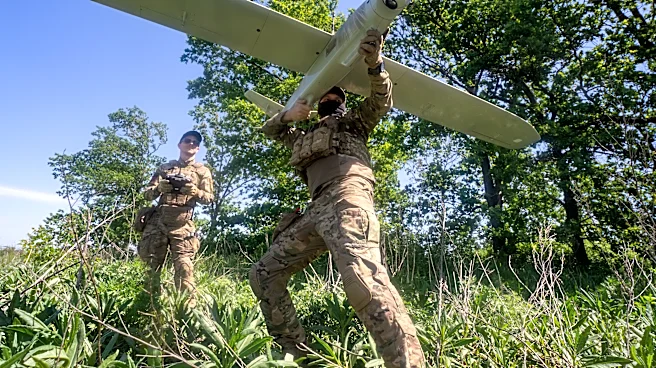
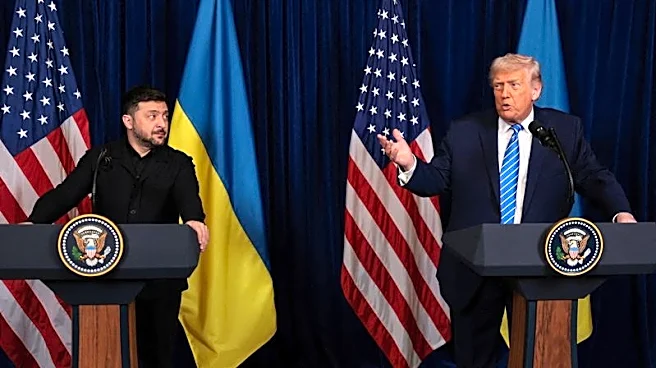
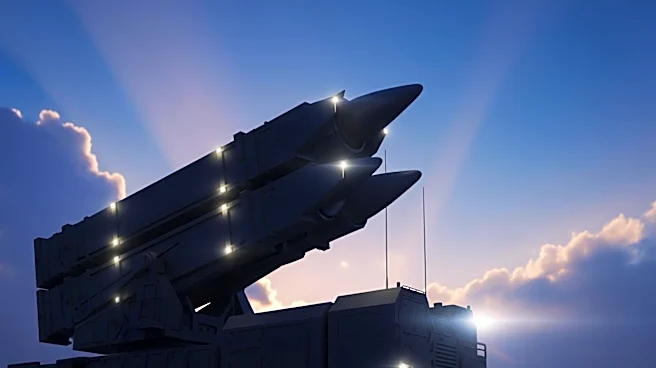
marking the most intense attack since the war began. Ukraine is bracing for these attacks, with Zelenskyy urging civilians to use bomb shelters. The Ukrainian government has requested additional defensive weapons from the U.S., particularly Patriot missile systems, to counter the anticipated Russian offensive. The situation is further complicated by recent incidents involving Russian drones entering NATO-member airspace, raising concerns about regional security.
Why It's Important?
The anticipated Russian attacks on Ukraine highlight the ongoing volatility and escalation of the conflict. The use of advanced weaponry, including hypersonic missiles, underscores the severity of the situation and the potential for significant casualties and infrastructure damage. Ukraine's call for more defensive support from the U.S. and its allies reflects the critical need for international assistance in maintaining its defense capabilities. The involvement of NATO countries, due to airspace violations, adds a layer of complexity to the conflict, potentially drawing in broader international involvement and increasing geopolitical tensions.
What's Next?
Ukraine is likely to continue seeking international support to bolster its defense systems, particularly from NATO allies. The response from the U.S. and other countries will be crucial in determining Ukraine's ability to withstand the anticipated attacks. The situation may lead to increased diplomatic efforts to de-escalate tensions and prevent further escalation. Additionally, the conflict's impact on regional security could prompt NATO to reassess its defense strategies and readiness in Eastern Europe.