






What's Happening?
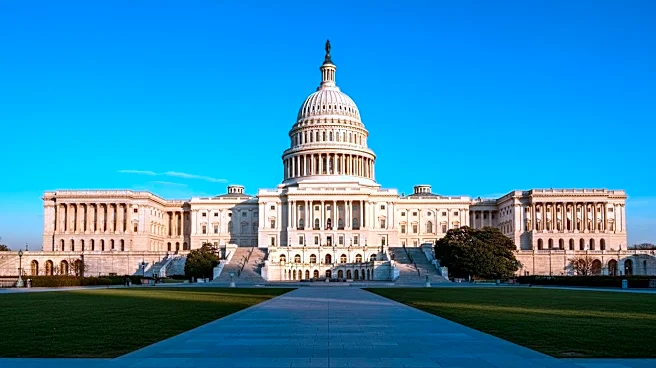
Australian artists, authors, and creators have convened at Parliament House to urge the Albanese Government to uphold its current copyright framework. This gathering, which took place on July 1st, included notable figures such as William Barton, Paul
Dempsey, and Mahalia Barnes, alongside representatives from various industry associations like the Australian Recording Industry Association and the Australian Society of Authors. The group is advocating for the government to compel AI companies to engage in licensing agreements with Australian creators. Lucy Hayward from the Australian Society of Authors emphasized the simplicity of copyright, stating that permission is required to use someone’s work, which is crucial for authors' livelihoods. Annabelle Herd from ARIA highlighted the need for the government to maintain its stance from October, allowing the licensing market to function properly. The creatives argue that AI companies are lobbying for solutions that would allow them to use creators' work for minimal compensation, which they equate to wage theft.
Why It's Important?
The push by Australian creatives to maintain the existing copyright framework is significant as it underscores the tension between technological advancement and intellectual property rights. The outcome of this advocacy could have substantial implications for the creative industries, which rely on copyright to ensure fair compensation for their work. If AI companies are allowed to use creative works without proper licensing, it could undermine the financial stability of artists and authors, potentially stifling creativity and innovation. This situation also highlights a broader global issue where technology companies are increasingly intersecting with traditional industries, necessitating a balance between innovation and the protection of creators' rights. The decision by the Australian government could set a precedent for how other countries handle similar challenges, impacting international copyright laws and the global creative economy.
What's Next?
The next steps involve potential negotiations between the Australian government, AI companies, and the creative industries to establish fair licensing agreements. The government’s response to this advocacy will be crucial in determining the future landscape of copyright in Australia. If the government decides to uphold the current framework, it may lead to more structured negotiations with AI companies, ensuring that creators receive fair compensation. Conversely, if the government yields to tech lobbying, it could result in significant changes to how creative works are used and monetized. The outcome will likely influence the strategies of both creators and tech companies, potentially leading to new models of collaboration or further legal battles over intellectual property rights.
Beyond the Headlines
This development raises deeper questions about the ethical use of technology in creative fields. As AI continues to evolve, its ability to replicate and generate creative content challenges traditional notions of authorship and originality. The debate over copyright and AI also touches on cultural preservation, as art is not only a commercial product but a reflection of national identity and heritage. Ensuring that creators are adequately compensated for their work is essential for maintaining the cultural richness and diversity that art provides. This situation also prompts a reevaluation of how societies value and support their creative industries in the face of rapid technological change.