


What's Happening?
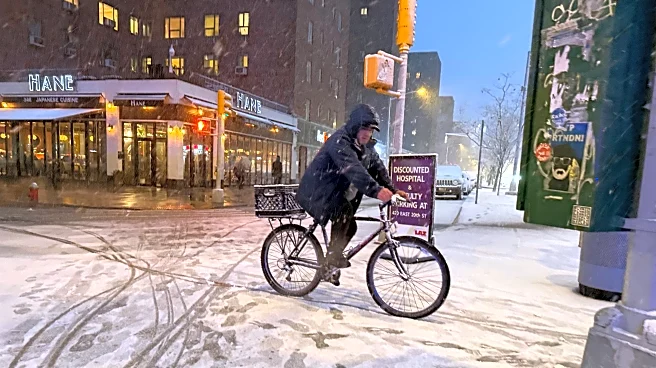
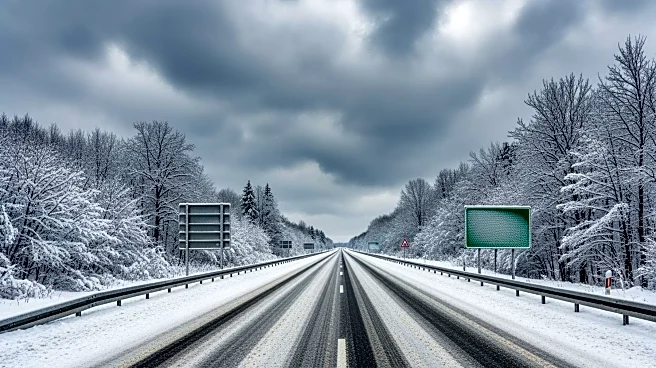
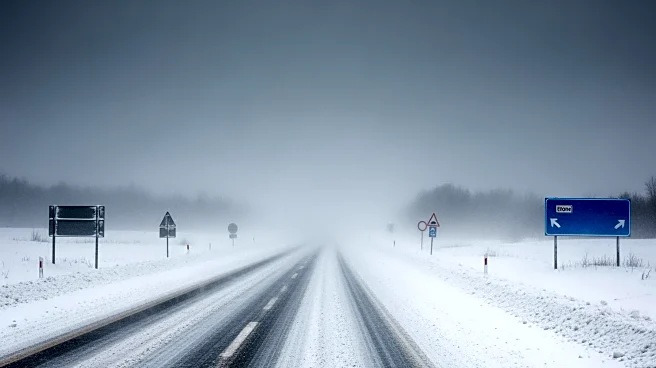
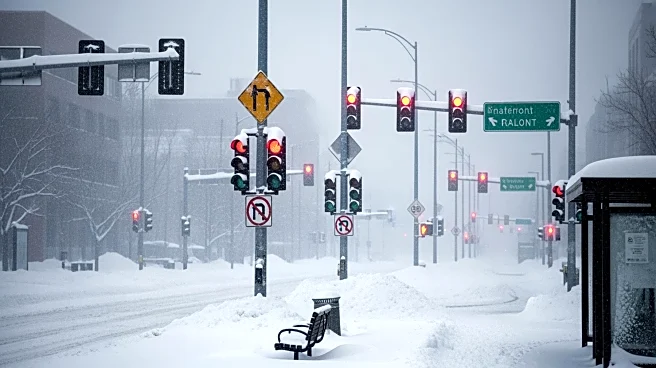
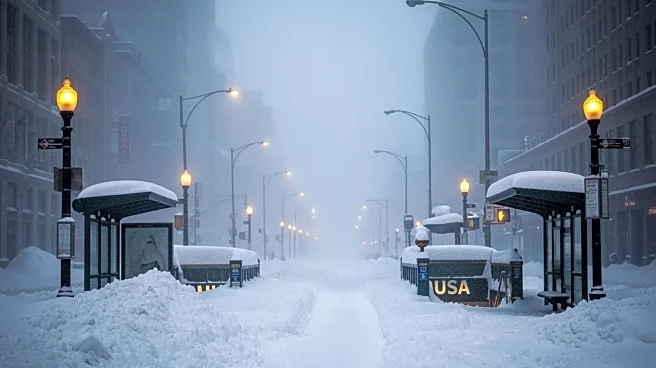
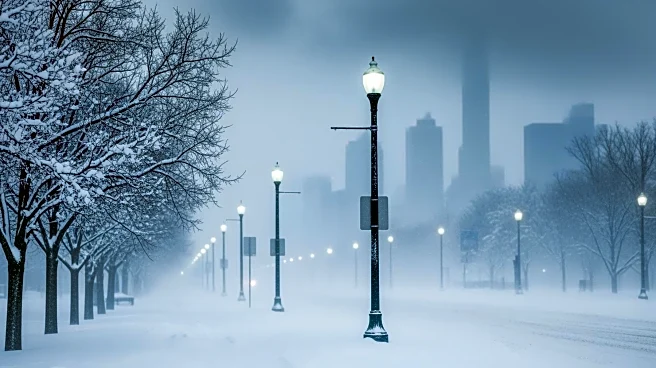
New York City is bracing for a severe blizzard expected to bring over a foot of snow, prompting Mayor Zohran Mamdani to declare a state of emergency. The declaration includes a travel ban from 9 p.m. Sunday to 12 p.m. Monday, prohibiting vehicles on streets,
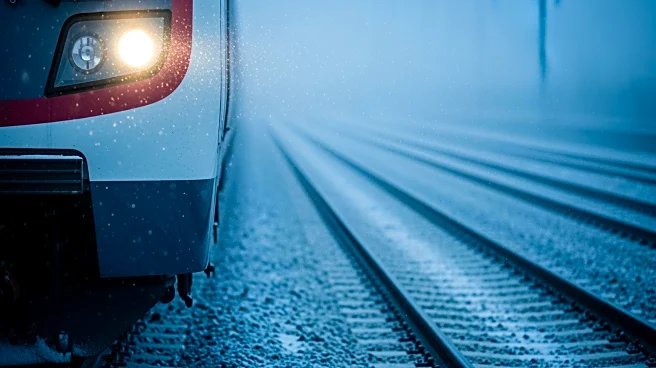
bridges, and highways. The New York City Transit has announced that most subway services will operate locally, and bus services will be adjusted based on road conditions. The Long Island Rail Road will suspend services by 1 a.m. Monday, and Metro-North Railroad will operate on a reduced schedule. The MTA has also restricted certain vehicles on major bridges. NJ Transit has suspended bus, light rail, and Access Link services, with rail services halting at 9 p.m. Sunday. Connecticut has issued a similar emergency order, banning commercial vehicles on highways.
Why It's Important?
The blizzard poses significant challenges to transportation and public safety in the tri-state area. The travel restrictions and service suspensions aim to prevent accidents and ensure the safety of residents. The storm's impact on transit systems could disrupt daily commutes and economic activities, affecting businesses and workers who rely on public transportation. The emergency measures highlight the need for preparedness in the face of extreme weather events, which are becoming more frequent and severe. The response from state and local governments underscores the importance of coordinated efforts to mitigate the storm's impact and protect public safety.
What's Next?
As the blizzard progresses, authorities will continue to monitor weather conditions and adjust emergency measures as needed. Residents are advised to stay informed through official channels for updates on transit services and road conditions. The focus will be on clearing roads and restoring normal transit operations as quickly as possible once the storm subsides. The aftermath of the blizzard may prompt discussions on infrastructure resilience and the need for improved emergency response strategies to handle future weather-related disruptions.