








What's Happening?
The University of Tennessee Institute of Agriculture is set to host the 34th Milan No-Till Crop Production Field Day on July 23 at the AgResearch Education Center in Milan, Tennessee. This event, which is free and open to the public, will run from 8 a.m.
to 1 p.m. and will feature 13 tours covering various row crop topics. Attendees will have the opportunity to participate in an antique tractor show and parade, as well as traditional skills sessions such as blacksmithing and cotton ginning. The event aims to provide valuable insights and demonstrations related to no-till farming practices, which are crucial for sustainable agriculture.
Why It's Important?
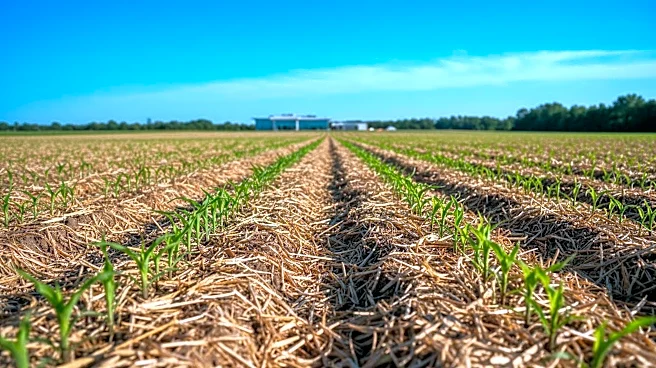
The Milan No-Till Crop Production Field Day is significant as it promotes sustainable agricultural practices, particularly no-till farming, which helps in reducing soil erosion and improving soil health. This event serves as an educational platform for farmers, researchers, and the general public to learn about innovative farming techniques that can lead to more efficient and environmentally friendly agricultural production. By showcasing traditional skills and modern farming methods, the event bridges the gap between historical practices and contemporary agricultural advancements, potentially influencing farming practices across Tennessee and beyond.
What's Next?
Following the event, participants may implement the knowledge gained into their farming practices, potentially leading to increased adoption of no-till farming methods. The University of Tennessee Institute of Agriculture may continue to host similar events to further educate and engage the agricultural community. Additionally, the insights shared during the field day could inspire further research and development in sustainable agriculture, influencing policy and funding decisions at both state and national levels.
Beyond the Headlines
The event highlights the importance of preserving traditional agricultural skills while integrating modern techniques, reflecting a broader cultural appreciation for heritage and innovation in farming. This approach not only supports environmental sustainability but also fosters community engagement and education, which are vital for the long-term viability of rural economies. The focus on no-till farming aligns with global efforts to combat climate change by reducing carbon emissions and enhancing soil carbon sequestration.