







What's Happening?
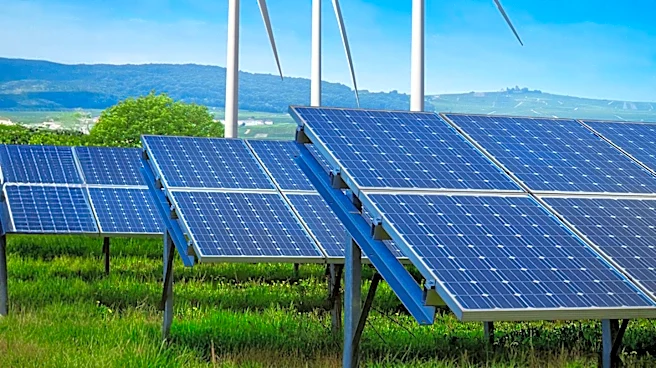
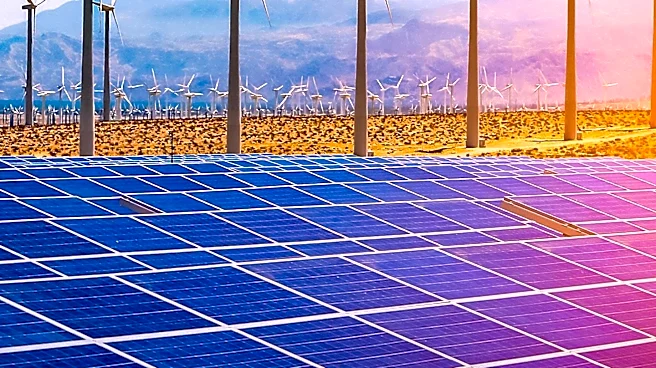
China has successfully avoided over $9 billion in fossil fuel imports between March and August, primarily due to the rapid expansion of its clean power generation and the electrification of its economy. According to the Centre for Research on Energy and Clean
Air (CREA), growth in renewable and nuclear energy capacity since 2020 has significantly strengthened China’s energy resilience. This development occurred amidst disruptions to oil and gas supplies through the Strait of Hormuz, which led to rising energy prices. As the world's largest crude oil importer, China responded by sharply cutting purchases, utilizing its reserves, and restricting petroleum product exports. The increased adoption of electric vehicles also played a crucial role, displacing 38 million tonnes of oil equivalent during the same period, which accounts for approximately 13% of China’s crude oil imports from the previous year. This reduction in imports did not lead to the expected economic and social disruptions, with clean electricity and electrified transport mitigating the economic costs of the oil shock.
Why It's Important?
This shift in China's energy consumption has significant implications for global energy markets and the U.S. economy. A reduced demand for fossil fuels from China, a major global consumer, could lead to lower international oil and gas prices, potentially benefiting U.S. consumers and industries reliant on these commodities. Furthermore, China's accelerated transition to clean energy highlights a global trend that could impact U.S. energy policy and investment strategies. As China strengthens its energy security through domestic clean energy sources, it reduces its vulnerability to geopolitical disruptions in oil and gas supply chains, which could alter global power dynamics. For U.S. businesses in the renewable energy sector, this could signal increased competition or opportunities for collaboration in developing advanced clean energy technologies. The success of China's electrification efforts, particularly in transportation, also provides a case study for other nations, including the U.S., on the economic benefits and resilience gained from such transitions.
What's Next?
China is projected to continue its aggressive push towards clean energy. CREA forecasts that by 2030, renewable and nuclear sources could supply 54% of China's electricity generation, surpassing its target of obtaining half of its electricity from non-fossil sources by the end of the decade. Chinese authorities have also set a target to increase electricity's share in final energy consumption to 35% by 2030, five years ahead of a global benchmark proposed for COP31 climate talks. This ongoing transition suggests a sustained reduction in China's reliance on imported fossil fuels. Future developments will likely include further investments in renewable infrastructure, continued growth in electric vehicle adoption, and potential policy adjustments to support these goals. The international community, including the U.S., will be closely watching China's progress, as its energy policies have broad implications for global climate goals and energy markets.
Beyond the Headlines
The deeper implications of China's energy transition extend beyond immediate economic savings. This strategic shift enhances China's national security by reducing its dependence on volatile international fossil fuel markets and vulnerable supply routes. It also positions China as a leader in renewable energy technology and deployment, potentially influencing global standards and innovation in the sector. Ethically, this move contributes significantly to global efforts to combat climate change, although China remains a major emitter overall. The rapid electrification of its economy, particularly in transport, could also lead to improvements in urban air quality and public health. Long-term, this trajectory could reshape geopolitical alliances and trade relationships, as energy security becomes increasingly tied to domestic clean energy production rather than fossil fuel imports. For the U.S., this presents both a challenge to maintain technological leadership and an opportunity for greater international cooperation on climate and energy initiatives.