



What's Happening?
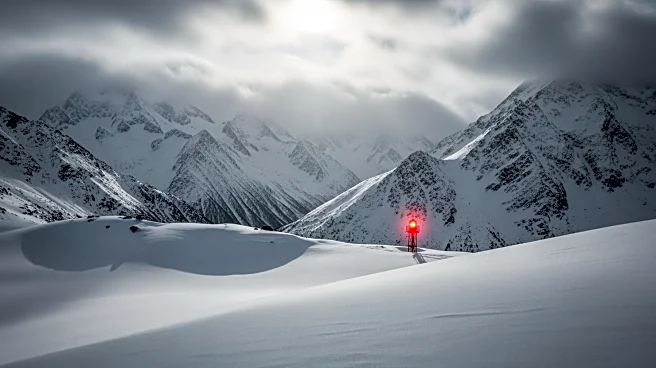
A recent avalanche in California's Sierra Nevada near Lake Tahoe resulted in the deaths of nine people, including three experienced guides, during a backcountry skiing trip. The incident, which occurred despite warnings of dangerous avalanche conditions,
raises questions about the safety of adventure tourism. The trip, organized by Blackbird Mountain Guides, proceeded despite forecasts of severe weather. This tragedy is part of a broader pattern of adventure tourism disasters, including the Titan submersible implosion and the Whakaari volcanic eruption, highlighting the risks involved in such activities.
Why It's Important?
The growing popularity of adventure tourism brings with it significant safety concerns. As more people seek thrilling experiences, the responsibility of ensuring safety often falls on tour operators and guides. This incident underscores the need for stricter safety protocols and better risk communication to prevent future tragedies. The economic impact on the adventure tourism industry could be substantial, as potential tourists may become wary of participating in high-risk activities. Additionally, legal and regulatory scrutiny may increase, leading to changes in industry standards and practices.
What's Next?
Investigations into the California avalanche are ongoing, with potential implications for the adventure tourism industry. There may be calls for enhanced safety regulations and accountability measures for tour operators. The industry could face increased pressure to improve risk management and transparency. As stakeholders, including government agencies and tourism boards, assess the situation, there may be a push for more comprehensive safety training and certification for guides. The outcome of these investigations could shape the future of adventure tourism, balancing thrill-seeking with safety.