






What's Happening?
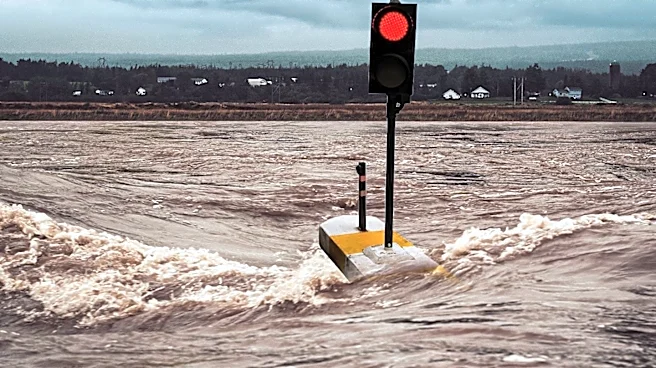
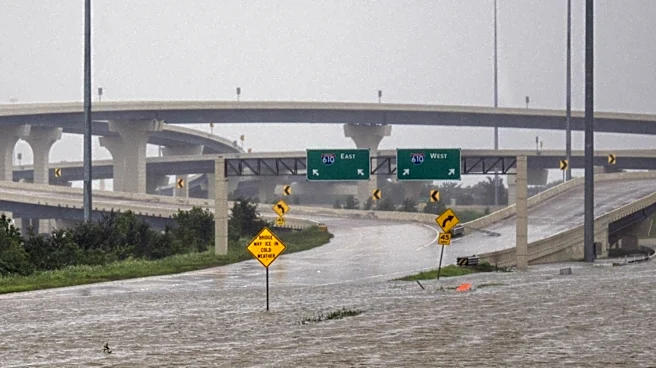
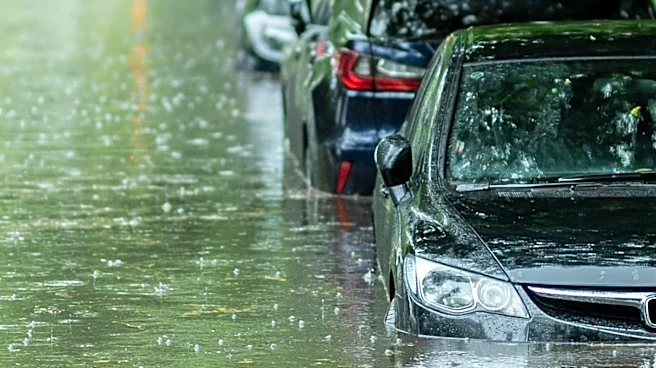
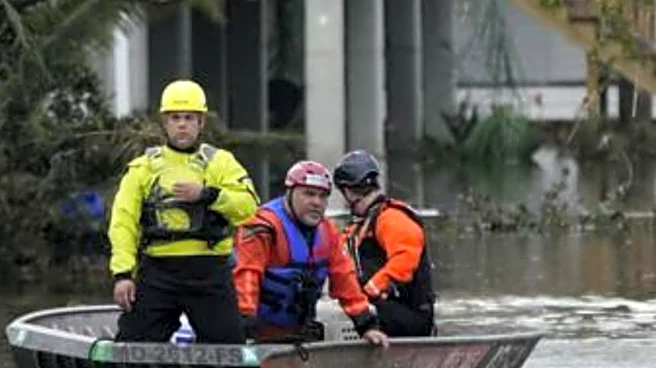
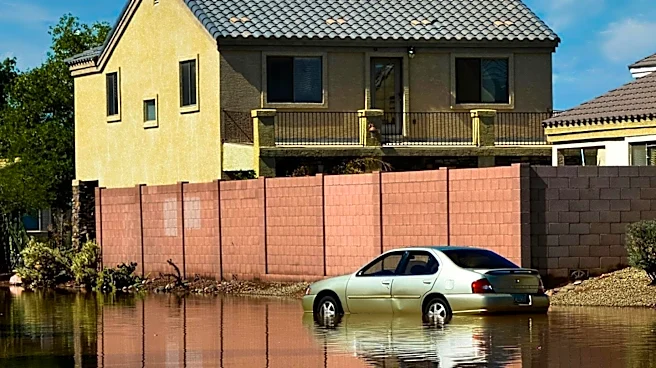
In Texas, heavy rainfall has led to severe flooding, resulting in at least 230 water rescues and two fatalities. Governor Greg Abbott reported that five rivers have reached major flood stage, prompting emergency responses across the state. The flooding has caused
significant disruptions, with emergency services working tirelessly to rescue stranded individuals and provide aid to affected communities. The situation has been exacerbated by the intensity and duration of the rainfall, which has overwhelmed local infrastructure and emergency response capabilities.
Why It's Important?
The flooding in Texas highlights the vulnerability of communities to extreme weather events, which are becoming more frequent and severe due to climate change. The immediate impact includes loss of life, property damage, and disruption of daily life for thousands of residents. The economic implications are also significant, as recovery efforts will require substantial resources and coordination. This event underscores the need for improved infrastructure and emergency preparedness to mitigate the effects of such natural disasters. It also raises questions about the adequacy of current flood management strategies and the need for long-term planning to address climate-related risks.
What's Next?
As the immediate threat of flooding decreases, focus will shift to recovery and rebuilding efforts. State and local authorities will need to assess the damage and coordinate relief efforts to support affected communities. This may involve federal assistance and collaboration with non-governmental organizations to provide resources and support. Additionally, there may be calls for policy changes to enhance flood resilience and improve emergency response systems. The situation serves as a reminder of the importance of proactive measures to address the challenges posed by climate change and extreme weather events.