






What's Happening?
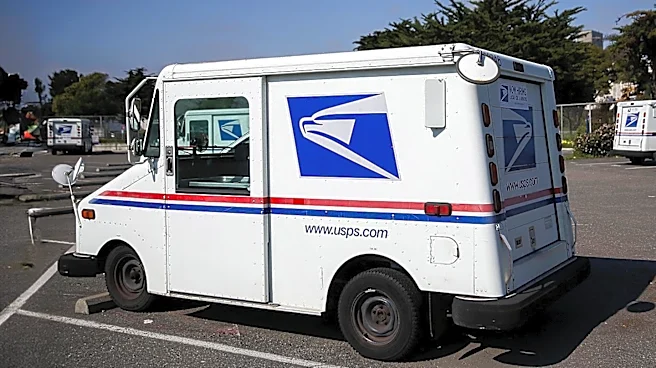
The U.S. Postal Service (USPS) has implemented new guidelines resulting in extended delivery times for packages shipped between the mainland United States and its Pacific territories, including Guam, the Northern Marianas, and the Freely Associated States.
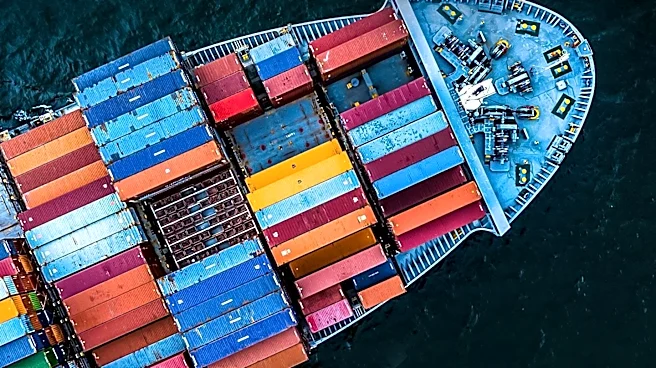
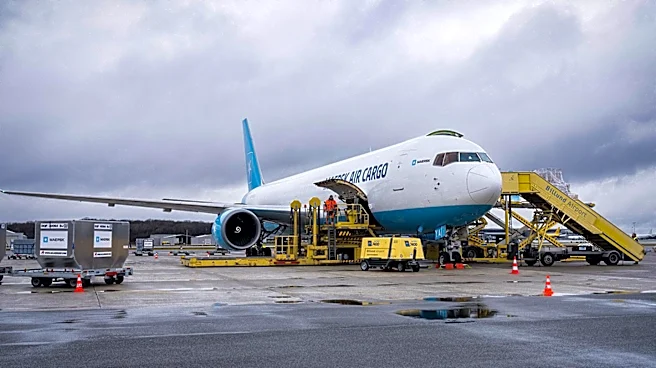
Previously, Priority Mail packages were expected to arrive within three days, but customers should now anticipate a delivery window of two to six days. A significant change affects USPS Ground Advantage packages, which were formerly transported by both air and surface for items under a pound. Under the new rules, all Ground Advantage packages, regardless of weight, will primarily be shipped by sea. This shift means that Ground Advantage deliveries are now projected to take 10 days or more, with some potentially requiring significantly longer. These new guidelines officially took effect on October 1.
Why It's Important?
This change by the USPS carries substantial implications for residents, businesses, and governmental operations in the affected Pacific territories. Longer shipping times can disrupt supply chains for local businesses, leading to potential delays in receiving goods, increased inventory costs, and challenges in meeting customer demands. For individuals, it means a longer wait for essential items, personal correspondence, and e-commerce purchases. The reliance on sea transport for Ground Advantage packages, which previously included air transport for lighter items, signifies a strategic shift in USPS logistics for these regions. This could reflect efforts to optimize costs or address capacity issues, but it directly impacts the speed and efficiency of mail service to these geographically remote areas. The extended delivery windows could also affect the timely delivery of critical supplies, medical equipment, and official documents, potentially impacting public services and emergency response capabilities.
What's Next?
Following the implementation of these new shipping guidelines, stakeholders in the Pacific territories are likely to assess the full impact on their operations and daily lives. Businesses may need to adjust their inventory management and shipping strategies, potentially exploring alternative carriers or increasing lead times for orders. Residents might need to plan further in advance for receiving packages, especially for time-sensitive items. There could be calls for the USPS to provide more detailed explanations for the changes and to explore options for mitigating the extended delivery times. The long-term effects on economic activity and quality of life in these territories will depend on how effectively businesses and individuals adapt to the new logistical realities and whether any further adjustments are made by the USPS in response to feedback or operational challenges.
Beyond the Headlines
The decision by the USPS to extend shipping times to Pacific territories highlights the unique logistical challenges associated with serving remote and insular regions. This move could underscore broader discussions about equitable access to essential services for all U.S. territories and states, regardless of their geographical location. It also brings to light the economic and social vulnerabilities of communities heavily reliant on external supply chains. The shift from air to sea transport for certain package categories could be indicative of a larger trend in postal service operations, potentially driven by cost-efficiency measures or environmental considerations. However, it also raises questions about the balance between operational efficiency and the provision of timely, reliable service to all citizens. The long-term implications could include a re-evaluation of infrastructure investments in these regions or the development of localized solutions to reduce dependence on mainland shipping.