







What's Happening?
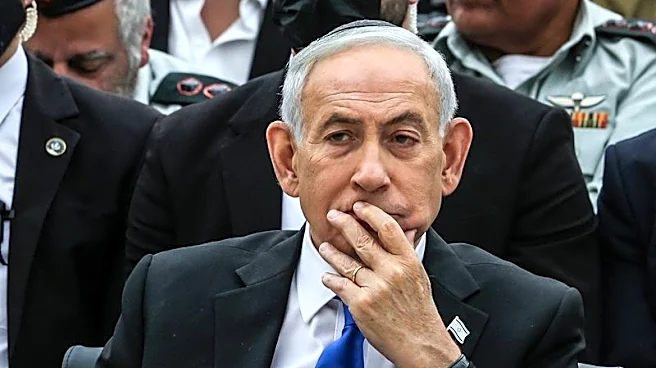
Israeli Prime Minister Benjamin Netanyahu has completed treatment for early-stage prostate cancer, which was discovered during a routine medical check-up. He underwent targeted radiation therapy at Hadassah Hospital in Jerusalem, and subsequent tests
confirmed the complete removal of the cancer. Adenocarcinoma, the type of cancer Netanyahu had, is common in the prostate and often develops slowly. The prime minister's tumor was small and had not spread, significantly improving his recovery prospects. Netanyahu's doctor, Professor Aharon Popovzer, confirmed his full recovery, and the treatment is not expected to impact his ability to perform his duties.
Why It's Important?
Netanyahu's successful treatment highlights the importance of early detection and intervention in managing prostate cancer, a common condition among older men. His case underscores the effectiveness of targeted radiation therapy in treating early-stage cancer, offering hope to many patients. The public disclosure of his health status may also influence public awareness and encourage regular medical screenings. For political leaders, maintaining transparency about health issues can build public trust and ensure continuity in governance. Netanyahu's recovery allows him to continue his leadership role without medical restrictions, maintaining stability in Israeli politics.
What's Next?
Netanyahu will undergo regular medical follow-ups to monitor his health and ensure any changes are detected early. This standard protocol in oncology aims to prevent recurrence and manage any potential health issues promptly. His case may prompt discussions on the importance of health transparency among public figures and the role of medical advancements in cancer treatment. As Netanyahu resumes his duties, his health status will likely remain a topic of interest, with potential implications for his political career and public perception.