





What's Happening?
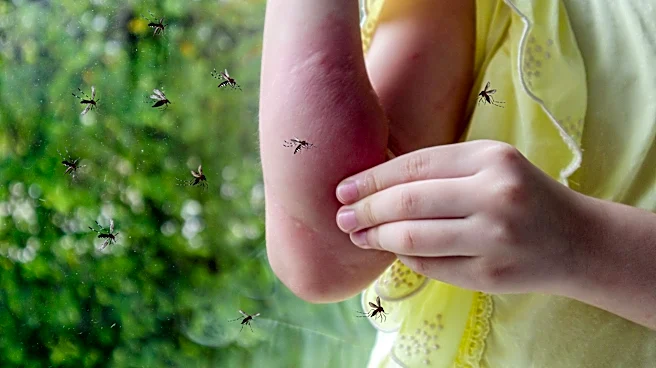
Oklahoma is currently experiencing a rapid increase in mosquito populations, primarily due to warm spring weather and subsequent wet spells. Mosquitoes require standing water to breed and prefer shaded, humid environments for resting. Even small amounts
of water, such as those found in bottle caps or plant saucers, can serve as breeding grounds. Common breeding spots around homes in Edmond include clogged gutters, bird baths, pet bowls, plant saucers, buckets, toys, tarps, wheelbarrows, low spots in lawns with poor drainage, old tires, planters, open containers, kiddie pools, unmaintained ponds, French drains, corrugated pipe ends, storm drains, and catch basins. This surge in mosquito activity extends from the warm spring through the fall season.
Why It's Important?
The increase in mosquito populations in Oklahoma carries significant public health implications. Mosquitoes in the region are known carriers of serious viruses, including the West Nile virus. Beyond the health risks, the prevalence of mosquitoes can severely impact outdoor family activities and overall quality of life. While professional treatments can substantially reduce mosquito activity and bites, they cannot guarantee a completely mosquito-free environment. This situation highlights the ongoing challenge of managing vector-borne diseases and the importance of community-wide efforts to mitigate breeding sites, especially in areas prone to warm and wet conditions. The economic impact could also include increased demand for pest control services and potential healthcare costs associated with mosquito-borne illnesses.
What's Next?
Residents in Oklahoma are advised to take proactive measures to eliminate standing water around their homes to reduce mosquito breeding sites. This includes regularly checking and emptying items like clogged gutters, bird baths, and any containers that can collect water. Pest control services will likely see continued demand as individuals and communities seek to manage mosquito populations. Public health officials may also issue further advisories regarding mosquito-borne diseases and recommend personal protective measures, such as using repellents and wearing appropriate clothing during outdoor activities. The duration of this elevated mosquito activity is expected to last through the fall, necessitating sustained vigilance.
Beyond the Headlines
The current mosquito surge in Oklahoma underscores broader environmental and public health challenges. Changes in weather patterns, potentially linked to climate shifts, can create more favorable conditions for vector-borne disease carriers. This situation highlights the interconnectedness of environmental factors, public health, and daily life. Effective mosquito control requires a multi-faceted approach, combining individual household efforts with community-level interventions and public awareness campaigns. The long-term implications could involve increased investment in public health infrastructure for disease surveillance and control, as well as research into more sustainable and effective pest management strategies to adapt to changing ecological conditions.