






What's Happening?
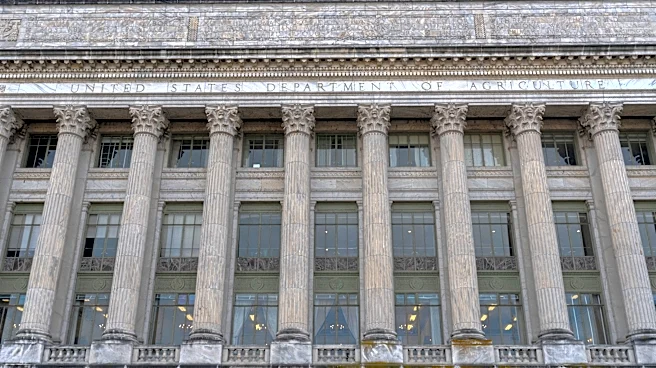
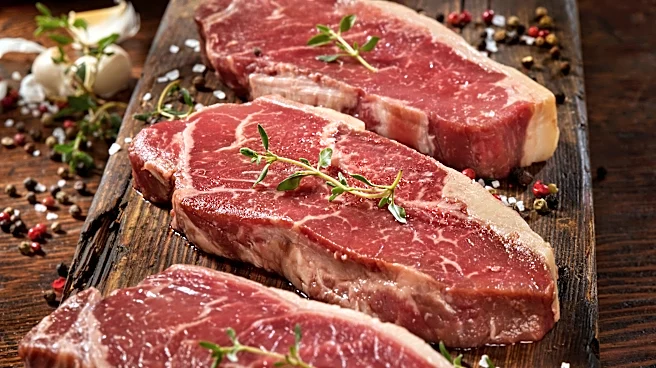
The United States Department of Agriculture (USDA) has announced a nationwide recall of over 167,000 pounds of raw pork, beef, and goat products. The recall, classified as Class I—the highest health risk—stems from the meat being produced without federal
inspection and bearing false USDA inspection labels. Star Meat Delivery Inc. of Lucama, North Carolina, is responsible for the products, which were distributed to retailers and restaurants via A&D Foods in Georgia. The issue was identified during a routine food safety inspection. The products carried the number 'EST. 1363,' which does not correspond to a federal grant of inspection, rendering them misbranded and unsafe for consumption. Federal law mandates that all commercially sold meat must be inspected and passed to ensure it is safe, wholesome, and properly labeled by the USDA's Food Safety and Inspection Service. While no illnesses or injuries have been confirmed, the USDA warns of potential undeclared allergens, harmful bacteria, or other contaminants.
Why It's Important?
This recall highlights critical vulnerabilities within the U.S. food supply chain and the potential for severe public health consequences. The presence of uninspected meat with falsified labels poses a direct threat to consumer safety, as these products may harbor dangerous pathogens or undeclared allergens. Such incidents can erode public trust in food safety regulations and the integrity of the USDA inspection process. For the meat industry, this event underscores the importance of stringent oversight and compliance, as recalls can lead to significant financial losses, reputational damage for companies involved, and increased scrutiny from regulatory bodies. Furthermore, it emphasizes the need for consumers and retailers to be vigilant, as some packaging might not clearly display the false label if shops have applied their own stickers, making identification challenging. The Class I classification indicates a reasonable probability of serious adverse health consequences or death, making this a significant public health concern.
What's Next?
The USDA has urged consumers who have purchased the affected products not to consume them and to either dispose of them or return them to the place of purchase. The agency will likely continue its investigation into Star Meat Delivery Inc. and A&D Foods to determine the full extent of the non-compliance and to prevent future occurrences. Retailers and restaurants that received these products will need to ensure their removal from sale and inventory. There may be increased scrutiny on meat distributors and producers to verify the authenticity of inspection labels and adherence to federal regulations. This incident could also prompt a review of current inspection protocols and enforcement mechanisms to identify and close any loopholes that allow uninspected products to enter the market. Consumers should remain alert for further updates from the USDA regarding this recall and any potential expansions.
Beyond the Headlines
Beyond the immediate health risks, this incident raises deeper questions about the effectiveness of current food safety enforcement and the potential for fraudulent practices within the food industry. The falsification of USDA inspection labels suggests a deliberate attempt to circumvent regulatory standards, which could indicate broader systemic issues or a lack of sufficient deterrents. This event could lead to calls for enhanced penalties for food fraud and more robust surveillance technologies to detect counterfeit labeling. It also highlights the economic pressures that some businesses might face, potentially leading them to cut corners on safety and compliance. The long-term implications could include a push for greater transparency in the supply chain, potentially leveraging technology to track products from farm to fork more securely. This incident serves as a stark reminder that food safety is a continuous challenge requiring constant vigilance from both regulators and industry stakeholders to protect public health and maintain consumer confidence.