







What's Happening?
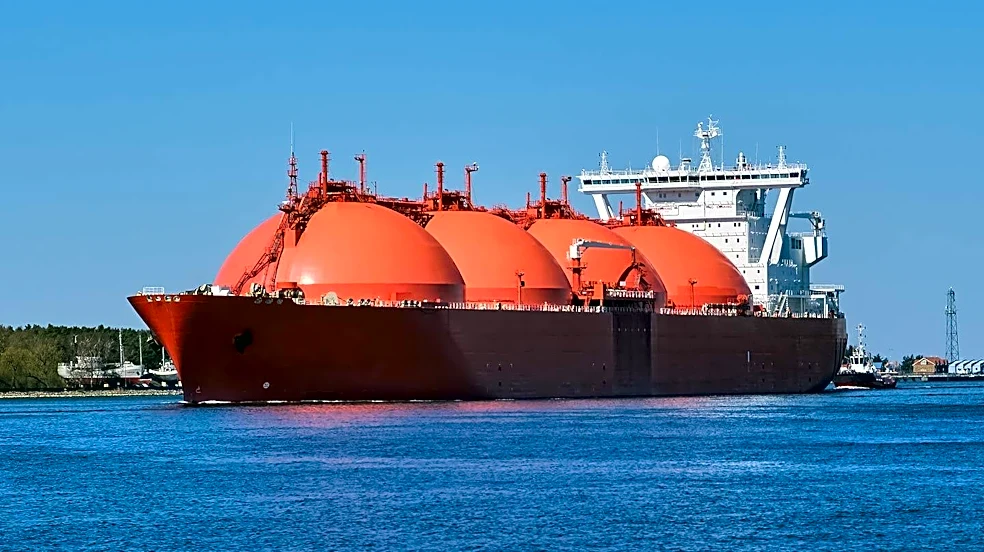
U.S. Sen. John Kennedy (R-La.) recently visited Southwest Louisiana, addressing the Better Business Bureau and West Calcasieu Chamber of Commerce before touring the LNG Center of Excellence at McNeese State University in Lake Charles. Kennedy, a member
of the Senate Appropriations Committee, highlighted his role in securing the LNG Center for Lake Charles, a project initially slated for Mississippi. He emphasized Southwest Louisiana's position as a global hub for liquefied natural gas, citing international demand from countries like Japan, South Korea, and Europe. During his visit, Kennedy also noted that Lake Charles has received approximately $314 million in direct federal funding in recent years, with $240 million allocated for infrastructure projects such such as roads, bridges, ports, and coastal protection. Additional funding was directed towards LNG safety, workforce development, the Lake Charles Harbor and Terminal District, Chennault International Airport, and the Second Harvest Food Bank. Kennedy also addressed large-scale projects like SpaceX and proposed data centers, stressing the importance of companies fulfilling their commitments and adhering to environmental regulations.
Why It's Important?
Senator Kennedy's efforts to secure the LNG Center of Excellence in Lake Charles and attract federal funding underscore a strategic focus on bolstering Louisiana's energy sector and infrastructure. The establishment of the LNG Center is poised to transform Lake Charles into a global training hub for natural gas experts, potentially attracting further investment and skilled labor to the region. The substantial federal funding for infrastructure projects, including roads, bridges, and ports, is critical for enhancing regional connectivity and supporting the logistics required by the growing energy industry. Furthermore, investments in LNG safety and workforce development are vital for ensuring sustainable growth and maintaining high operational standards in a critical energy sector. Kennedy's emphasis on corporate accountability for projects like SpaceX and data centers highlights a commitment to balancing economic development with environmental protection and regulatory compliance, which is crucial for long-term community and ecological well-being in Louisiana.
What's Next?
The continued development of the LNG Center of Excellence is expected to attract international experts and foster advanced training in natural gas, potentially leading to further economic growth and job creation in Southwest Louisiana. Senator Kennedy's ongoing focus on corporate accountability suggests that companies undertaking large-scale projects in the region, such as SpaceX and proposed data centers, will face scrutiny to ensure they meet their commitments and adhere to environmental standards. Future legislative efforts may continue to prioritize federal funding for infrastructure and energy-related initiatives in Louisiana, given Kennedy's position on the Senate Appropriations Committee. The region can anticipate further discussions and actions aimed at addressing cost-of-living concerns and inflation, which Kennedy has identified as key priorities. The success of these initiatives will likely depend on sustained federal support and the ability of local and state entities to effectively manage and leverage these investments.
Beyond the Headlines
The strategic placement of the LNG Center of Excellence in Lake Charles, rather than Mississippi, reflects a significant political victory for Senator Kennedy and highlights the intense competition among states for federal resources and industry-specific institutions. This decision could solidify Louisiana's role as a dominant force in the global natural gas market, influencing energy policy and trade relations. The senator's strong stance on corporate responsibility, particularly his warning to companies like SpaceX, signals a growing demand for environmental and social accountability from large corporations operating within the state. This approach could set a precedent for how future industrial developments are managed, potentially leading to stricter oversight and greater community benefits. The broader implications extend to the national energy landscape, as Louisiana's enhanced LNG capabilities could play a crucial role in U.S. energy independence and its position in international energy markets.