

What's Happening?
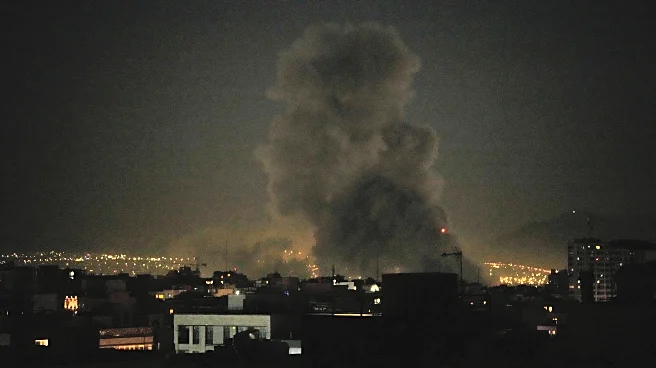
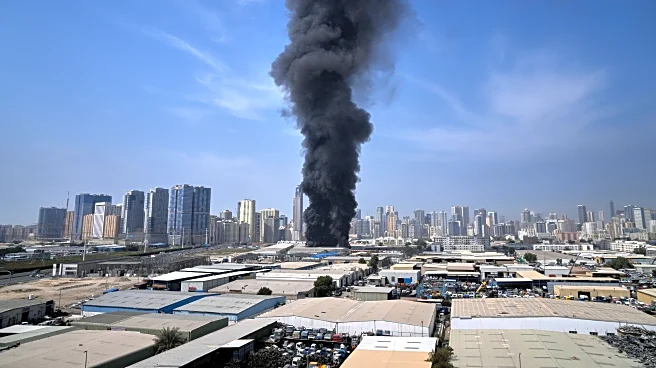
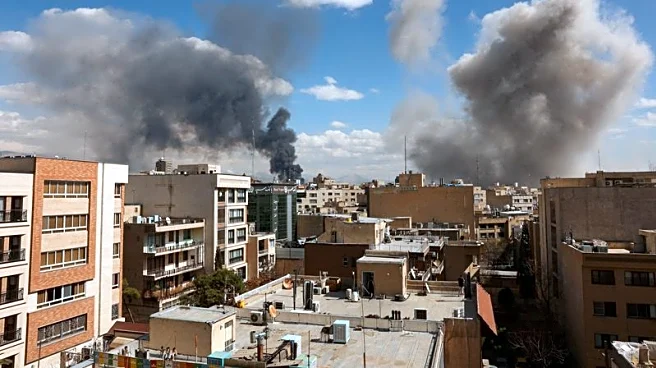
Fighting in the Middle East has intensified, breaching the Olympic truce that was meant to be in effect until March 15. This truce, approved by the United Nations, called for a suspension of military activities to allow for the peaceful conduct of the Winter
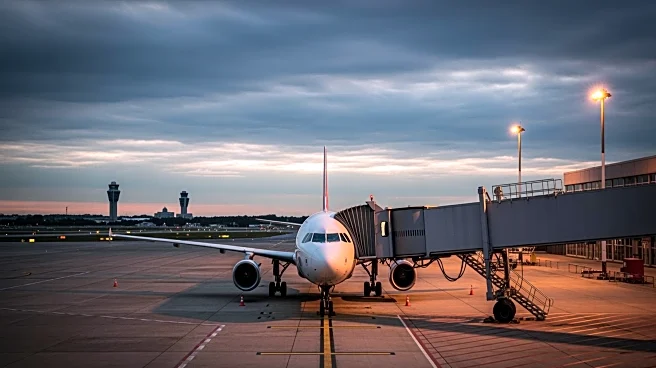
Paralympic Games in Italy. However, airstrikes by Israel and the United States against Iran, and subsequent counter-strikes by Iran, have disrupted this peace. The conflict has affected travel, with flights being disrupted as athletes and their families attempt to reach Italy for the Games. The situation is further complicated by the participation of athletes from Belarus and Russia under their national flags, a decision that has led to protests and boycotts from several countries.
Why It's Important?
The breach of the Olympic truce highlights the ongoing geopolitical tensions in the Middle East and their impact on international events. The decision to allow Belarusian and Russian athletes to compete under their national flags, despite Russia's ongoing invasion of Ukraine, marks a significant shift in Olympic policy and has sparked diplomatic tensions. This situation underscores the challenges of maintaining neutrality and peace in international sports amidst global conflicts. The disruption of flights and the potential safety risks for athletes and their families also raise concerns about the security and logistics of hosting international events in volatile regions.
What's Next?
The ongoing military actions and the decision to allow certain athletes to compete under their national flags are likely to continue to provoke international debate and protest. The International Paralympic Committee may face increased pressure to address these issues and ensure the safety and fairness of the Games. Additionally, the affected countries may seek diplomatic solutions to de-escalate tensions and restore peace, although the path forward remains uncertain given the complex geopolitical landscape.