





What's Happening?
Garner Pelvic Health highlights that individuals with orthostatic intolerance, such as Postural Orthostatic Tachycardia Syndrome (POTS), often find standing and exercise more challenging in summer heat. Heat causes peripheral vasodilation, diverting blood
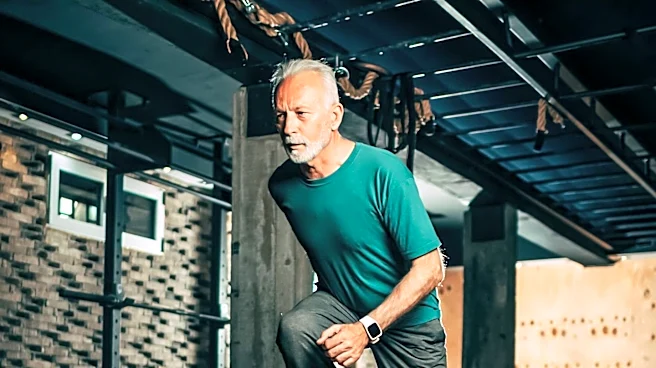
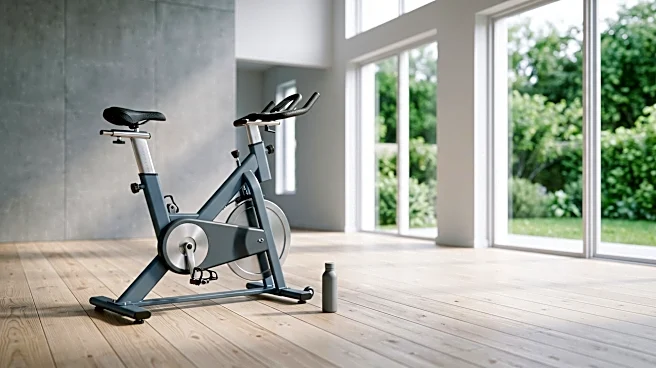
to the skin for cooling, which further reduces the effective circulating blood volume already compromised in POTS. This exacerbates symptoms like tachycardia, tremor, sweating, and anxiety-like sensations. Effective management strategies include increasing fluid and sodium intake (approximately 3 liters of water and 2 teaspoons of salt daily, individualized for each patient), mechanically improving venous return with compression garments, and strategic exercise. Exercise should initially minimize gravitational stress, starting with horizontal activities like recumbent biking or rowing, and gradually progressing to upright work. The goal is to rebuild the cardiovascular system and enhance the peripheral muscle pump.
Why It's Important?
This information is critical for improving the quality of life for individuals in the U.S. suffering from orthostatic intolerance, especially during warmer months. POTS and similar conditions can be debilitating, severely limiting daily activities and exercise capacity. By providing clear, actionable strategies for managing symptoms in hot weather, Garner Pelvic Health helps patients mitigate the physiological challenges posed by heat. This proactive approach can prevent episodes of presyncope, reduce discomfort, and enable individuals to maintain a more active lifestyle. Understanding the nuances of hydration, compression, and exercise adaptation is essential for effective self-management and can significantly reduce reliance on emergency medical services, thereby benefiting both patients and the healthcare system.
What's Next?
Individuals with orthostatic intolerance are advised to implement a multi-faceted approach to manage their condition, particularly in hot environments. This includes front-loading fluids and electrolytes, drinking before known triggers like showering or outdoor heat, and pairing sodium with fluid intake. Compression garments, especially abdominal and waist-high options, are recommended to improve venous return. Exercise programs should begin with horizontal activities and gradually incorporate upright movements, focusing on strengthening calves, quadriceps, hamstrings, gluteals, and trunk muscles. Patients should also develop a specific 'bad heat day' protocol, including pre-hydration, cooling strategies, and counter-pressure maneuvers if symptoms arise. Regular monitoring of heart rate and blood pressure in various positions is also crucial for effective management.
Beyond the Headlines
The detailed guidance on managing orthostatic intolerance in heat underscores the complexity of autonomic nervous system disorders and the need for highly individualized care. This approach moves beyond generic advice, offering specific physiological explanations and practical interventions. It highlights the importance of patient education in chronic condition management, empowering individuals to become active participants in their own care. Furthermore, the emphasis on environmental modifications and strategic planning reflects a holistic view of health, acknowledging that external factors significantly impact internal physiological responses. This comprehensive perspective could influence broader public health campaigns on heat safety, particularly for vulnerable populations, and encourage healthcare providers to offer more tailored advice for chronic conditions affected by environmental stressors.