

What's Happening?
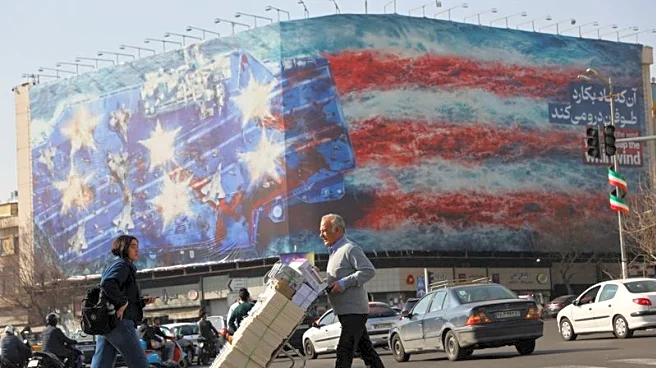
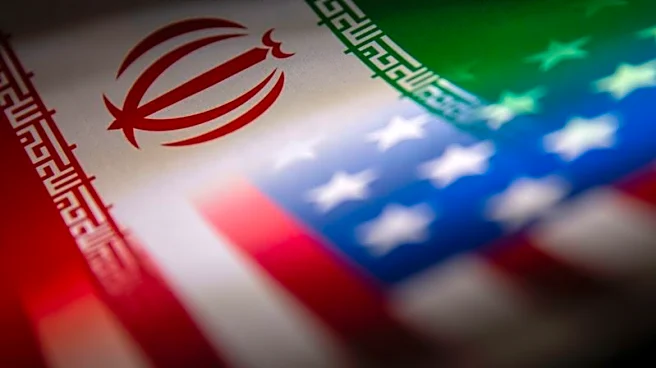
Iran has closed parts of the Strait of Hormuz for military drills, following taunts from Supreme Leader Ayatollah Ali Khamenei directed at President Trump. The closure comes as negotiators from the U.S. and Iran meet in Geneva to discuss Iran's nuclear
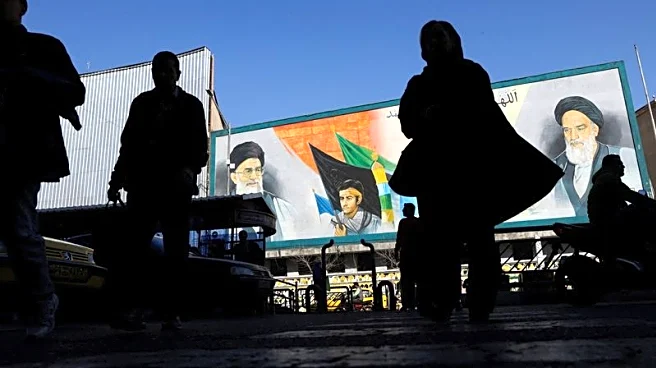
program. Khamenei's comments, published by Iranian media, suggested that the U.S. military could be severely impacted by Iranian forces. The drills involve live missile firing and are part of Iran's response to the U.S.'s increased military presence in the region. The Strait of Hormuz is a vital passage for global oil trade, and its closure highlights the ongoing tensions between the two nations.
Why It's Important?
The closure of the Strait of Hormuz for military exercises underscores the strategic importance of this waterway, through which a significant portion of the world's oil trade passes. The drills and Khamenei's rhetoric reflect the heightened tensions between Iran and the U.S., which could have significant implications for global oil prices and regional security. The situation also highlights the fragile nature of the ongoing nuclear talks, as military actions could derail diplomatic efforts. The international community is concerned about the potential for conflict escalation, which could disrupt global energy supplies and economic stability.
What's Next?
The outcome of the Geneva talks will be critical in determining the future of U.S.-Iran relations. Both sides are expected to continue negotiations, with the possibility of further military posturing if talks stall. The U.S. has not ruled out military action, and Iran's continued military exercises suggest that tensions will persist. The international community will be watching closely, as any agreement or escalation could have far-reaching consequences for global diplomacy and economic markets.