






What's Happening?
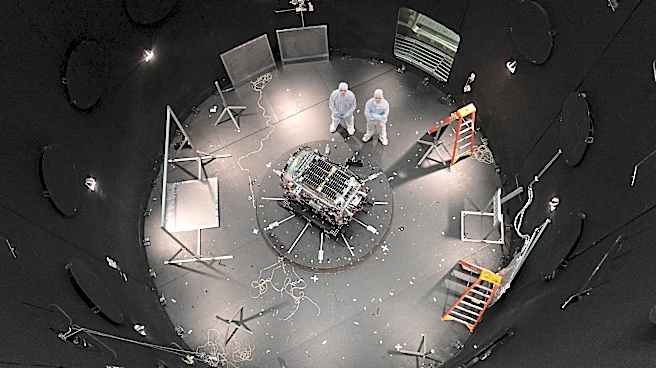
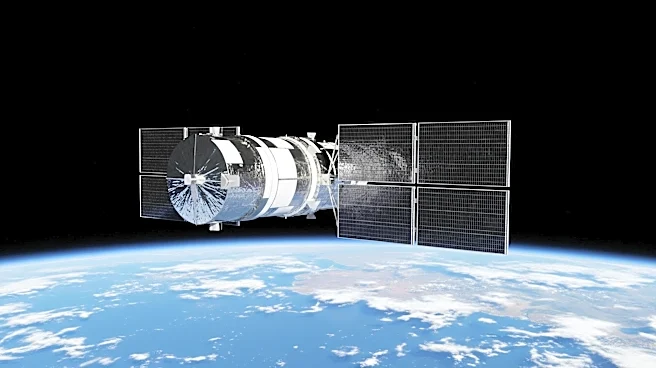
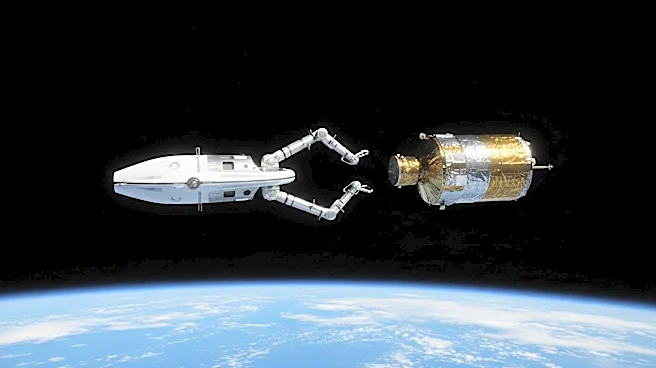
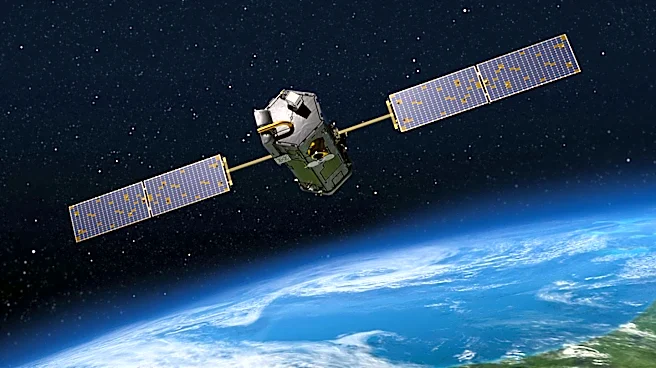
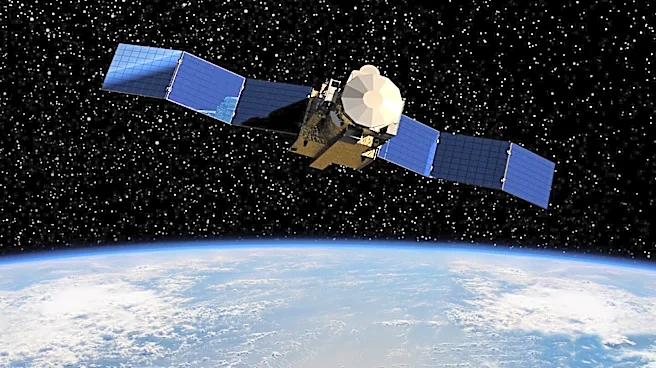
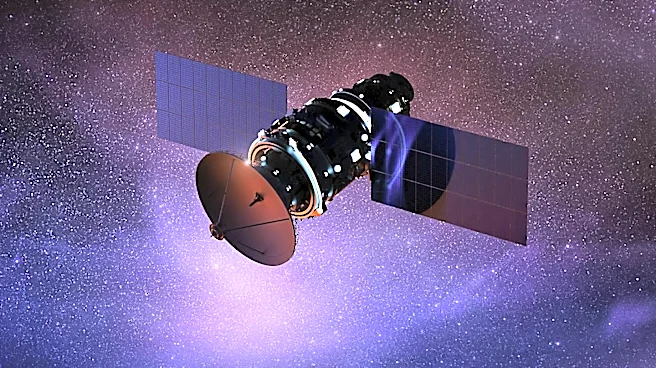
NASA, in collaboration with its partners, has rescheduled the launch of the Katalyst robotic servicing spacecraft LINK, which is designed to boost the orbit of the Neil Gehrels Swift Observatory. The launch is now set for no earlier than 8:35 p.m. UTC+12
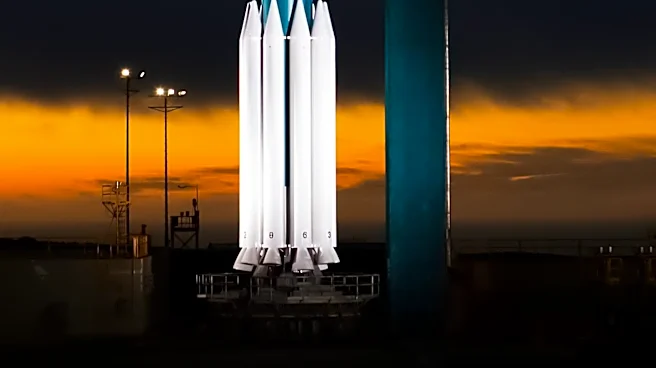
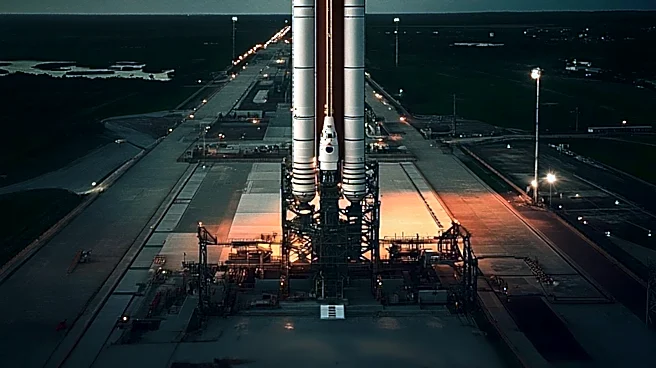
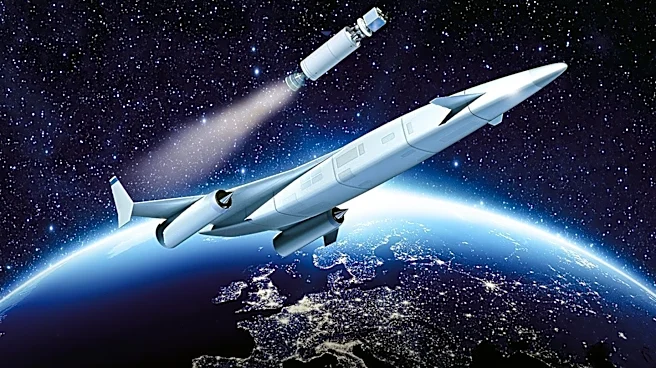
(4:35 a.m. EDT) on Friday, July 3. The mission will be carried out using Northrop Grumman’s Pegasus XL rocket from Kwajalein Atoll in the Marshall Islands. A previous launch attempt was aborted due to a software issue affecting the Pegasus navigation performance. The issue has since been addressed with a software update, ensuring the readiness of both the Pegasus rocket and the L-1011 aircraft for the upcoming launch.
Why It's Important?
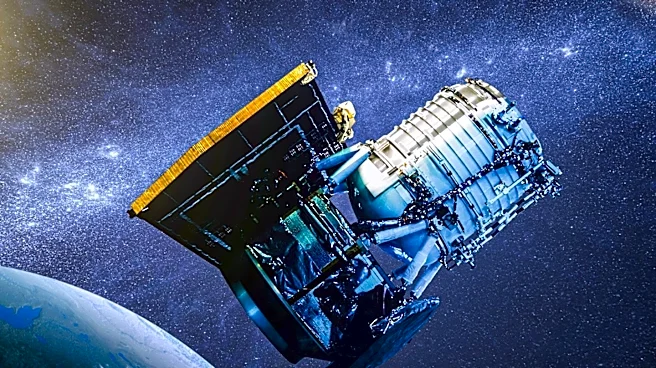
The successful launch of the Katalyst spacecraft is crucial for maintaining the operational capabilities of the Neil Gehrels Swift Observatory, which plays a vital role in observing gamma-ray bursts and other cosmic phenomena. By boosting the observatory's orbit, NASA aims to extend its mission life and enhance its scientific output. This mission underscores the importance of robotic servicing in space, which can significantly reduce costs and extend the lifespan of valuable space assets. The collaboration between NASA and Northrop Grumman also highlights the ongoing partnership between public and private sectors in advancing space exploration and technology.
What's Next?
Following the successful launch, the Katalyst spacecraft will perform its mission to adjust the Swift Observatory's orbit. NASA will continue to monitor the mission's progress and provide updates through its Swift blog. The outcome of this mission could influence future strategies for satellite maintenance and orbit adjustments, potentially leading to more frequent use of robotic servicing technologies. Stakeholders in the space industry will be watching closely to assess the mission's impact on future space operations and collaborations.