

What's Happening?
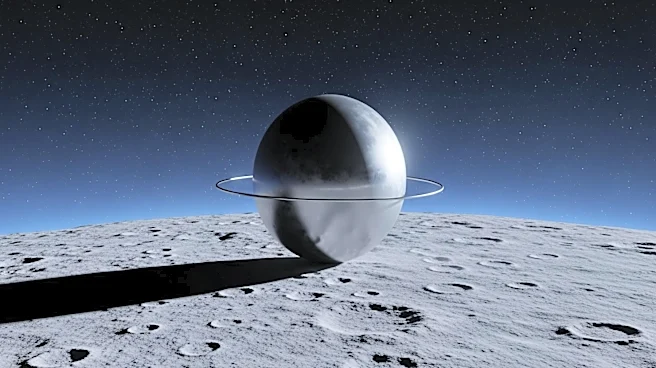
On April 3, 1966, Luna 10 became the first human-made object to orbit the Moon, marking a significant achievement in space exploration. Launched by the Soviet Union, Luna 10 conducted extensive scientific research during its mission, including measurements
of gamma radiation and numerous radio communications with Earth. The satellite orbited the Moon 460 times over two months, contributing valuable data to the understanding of lunar conditions. Luna 10's mission ended when its batteries depleted on May 30, 1966.
Why It's Important?
Luna 10's successful orbit of the Moon represented a major milestone in the space race, showcasing the Soviet Union's capabilities in space exploration. This achievement paved the way for future lunar missions and expanded scientific knowledge of the Moon's environment. The data collected by Luna 10 provided insights into lunar radiation levels and surface conditions, informing subsequent missions and research. The mission underscored the importance of international competition in driving technological advancements and exploration efforts.