






What's Happening?
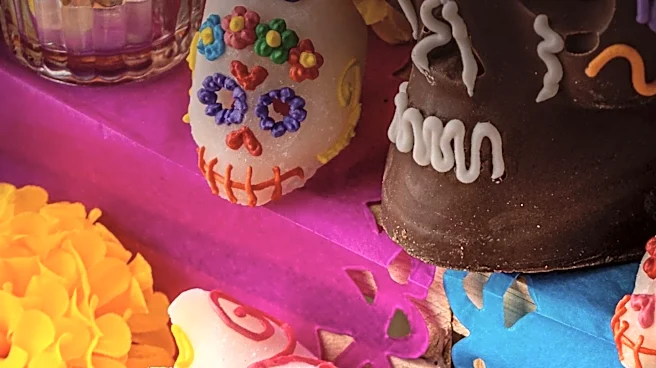
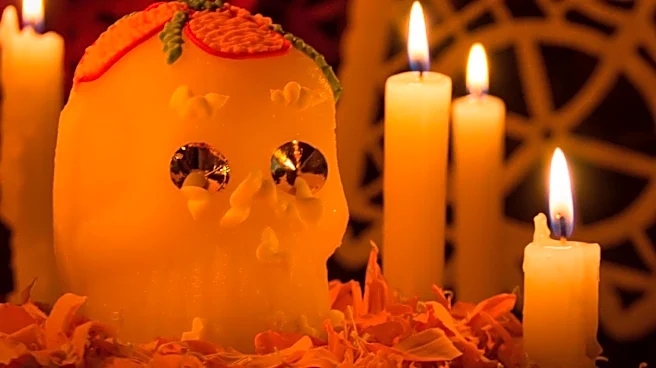
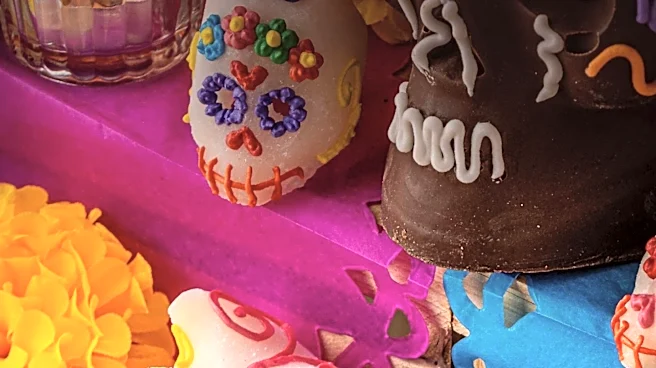
Mexico's annual Day of the Dead celebrations, a tradition rooted in pre-Hispanic beliefs and later influenced by Catholic customs, are increasingly experiencing the negative impacts of overtourism. While the festivities, characterized by marigolds, candles,
and 'catrina' makeup, attract international attention, popular destinations like Oaxaca and Michoacan are facing significant visitor influxes. In Mexico City, some locals express skepticism about the annual parade, which was originally created for a James Bond film in 2015 and later integrated into the city's celebrations, rather than being a traditional element. A notable incident occurred in Janitzio, Michoacan, an island whose celebrations were recognized by UNESCO in 2008. Authorities there closed the pantheon to tourists for the first time this year after the community council reported damage to tombs, crosses, and the cemetery wall due to the overwhelming number of visitors. Only local families and friends of those buried were permitted entry.
Why It's Important?
The challenges faced by Mexico's Day of the Dead celebrations highlight a growing global concern about overtourism, particularly how it impacts cultural heritage sites and local traditions. When a cultural event gains international spotlight, the sheer volume of tourists can strain local infrastructure, disrupt authentic practices, and even cause physical damage to historical sites, as seen in Janitzio. The commercialization of cultural events, such as the integration of a film-inspired parade into traditional festivities, can also lead to a dilution of their original meaning and significance for local communities. This situation underscores the delicate balance between promoting cultural tourism for economic benefit and preserving the integrity and authenticity of the cultural practices themselves. For the U.S., this serves as a cautionary tale for managing its own cultural and natural attractions, emphasizing the need for sustainable tourism practices that respect local communities and heritage.
What's Next?
The experiences in Mexico suggest a growing need for destinations to implement stricter tourism management strategies, especially for culturally sensitive events. This could involve developing policies that prioritize local participation and access, potentially limiting tourist numbers, or creating designated viewing areas that minimize impact on sacred sites. There may also be a push for educational initiatives aimed at tourists, encouraging respectful engagement with local customs and traditions. For communities like Janitzio, the closure of sites to tourists could become a more common measure to protect cultural heritage. The debate over the authenticity of events, such as the Mexico City parade, may also lead to discussions about how to balance modern attractions with traditional practices. Ultimately, the future will likely involve a more concerted effort to find sustainable tourism models that benefit both visitors and local populations while preserving cultural integrity.
Beyond the Headlines
The issue of overtourism during cultural celebrations like Day of the Dead extends beyond mere crowd control; it touches upon the very essence of cultural preservation and indigenous rights. When sacred spaces are damaged or traditional practices are altered due to external pressures, it can lead to a loss of cultural identity and spiritual connection for the local community. The commercialization of culture, while potentially bringing economic benefits, can also transform deeply meaningful rituals into spectacles, stripping them of their original context and reverence. This raises ethical questions about who benefits from cultural tourism and who bears its costs. Furthermore, the reliance on social media for promoting such events, while increasing visibility, also contributes to the rapid and often uncontrolled influx of visitors, creating a feedback loop that can quickly overwhelm destinations. Addressing these deeper implications requires a re-evaluation of tourism's role in cultural exchange, advocating for models that empower local communities and prioritize the safeguarding of their heritage over purely economic gains.