



What's Happening?
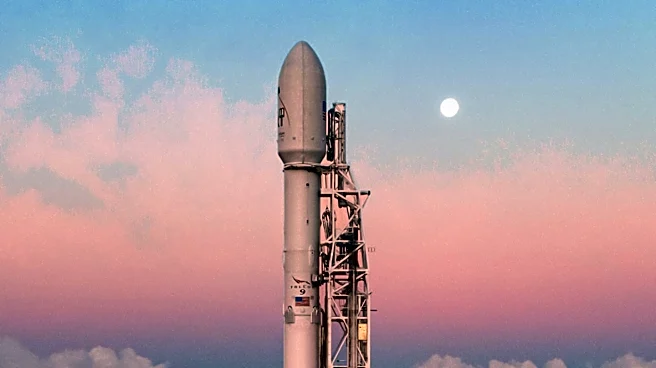
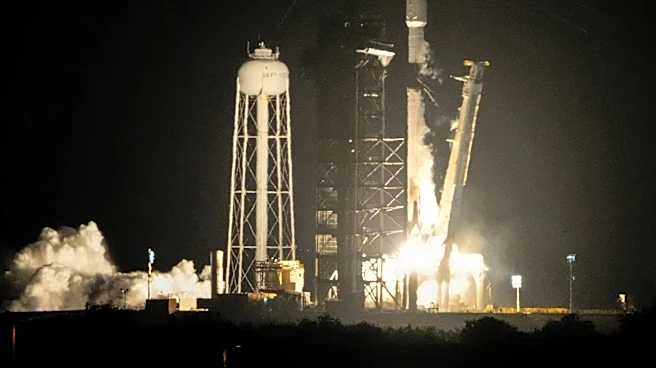
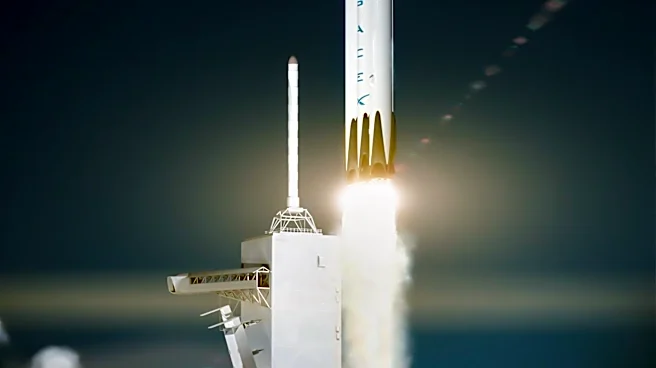
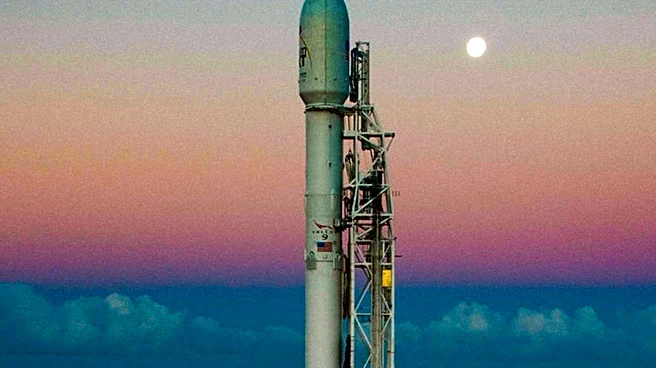
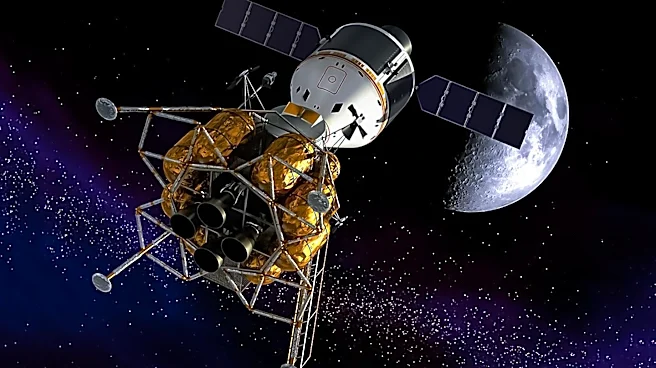
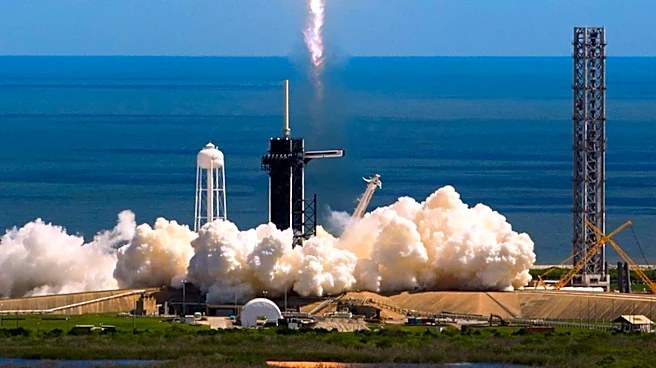
The upper stage of a SpaceX Falcon 9 rocket is set to collide with the moon on August 5. This unplanned impact will occur at a speed exceeding seven times the speed of sound, creating a new crater and a dust plume potentially visible from Earth. The rocket,
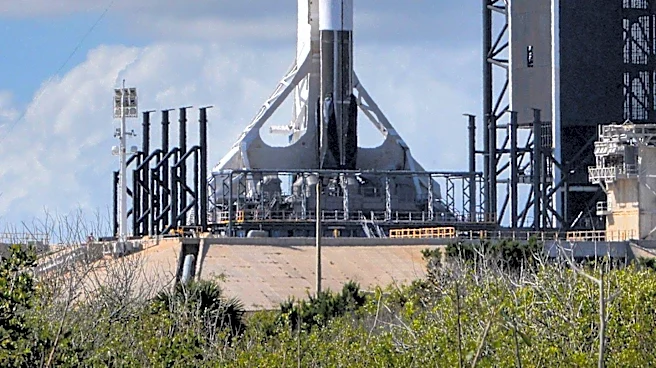
which launched two lunar landers in January 2025, has been in orbital limbo due to insufficient fuel to return to Earth. The collision provides a rare opportunity for scientists to study the effects of a lunar impact in real-time, offering insights into the behavior of dust and debris plumes.
Why It's Important?
The upcoming collision highlights the challenges of managing space debris and the potential risks it poses to future lunar missions. As space exploration efforts increase, understanding the dynamics of lunar impacts becomes essential for ensuring the safety of astronauts and equipment. The event will allow scientists to refine models of lunar surface interactions, which are crucial for planning future missions. The findings could influence how space agencies handle space debris and improve strategies for disposing of leftover space hardware.
What's Next?
Scientists will closely monitor the impact using terrestrial and space-based facilities to gather data on the dust and debris plume. This information will help refine models of lunar impacts and inform future mission planning. The event may also prompt discussions among space agencies about improving debris management and implementing better traffic control measures in space. As the moon becomes a focal point for exploration, ensuring the safety of lunar missions will be a priority.