



What's Happening?
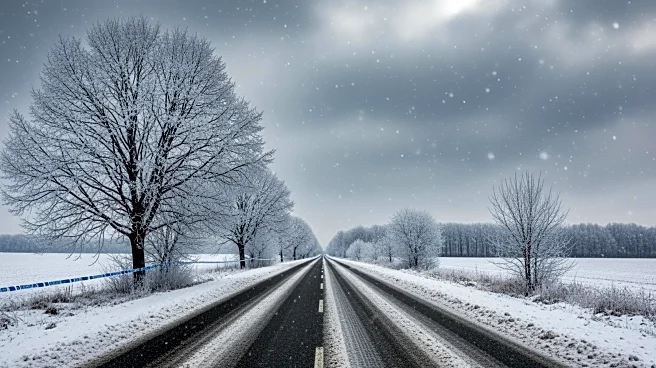
A significant winter storm is forecasted to impact the New York City area and much of the tri-state region, with predictions of 8-12 inches of snow. The storm is expected to hit hardest on Sunday afternoon and evening, with light snow continuing into
Monday. This weather event is anticipated to cause major disruptions, including travel chaos and potential school closures or shifts to remote learning. The storm's severity depends on the path of a low-pressure system and atmospheric temperatures, with more clarity expected as the day progresses. This storm could be one of the largest in recent years for New York City, reminiscent of the February 2021 storm that brought over 17 inches of snow to Central Park.
Why It's Important?
The impending storm poses significant challenges for residents and local governments in the affected areas. The heavy snowfall and subsequent extreme cold could disrupt daily life, affecting transportation, education, and emergency services. Businesses may face closures or reduced operations, impacting the local economy. The storm also tests the preparedness and response capabilities of state and local authorities, who must manage resources and communicate effectively with the public to ensure safety. The potential for power outages and hazardous road conditions further underscores the need for comprehensive emergency planning and community cooperation.
What's Next?
As the storm approaches, local and state officials are likely to hold news briefings to update residents on the latest forecasts and safety measures. Emergency services and public works departments will be on high alert to manage snow removal and respond to any incidents. Residents are advised to prepare by stocking up on essentials and staying informed through official channels. The aftermath of the storm will require coordinated efforts to restore normalcy, including clearing roads and addressing any infrastructure damage. The lingering cold temperatures will also necessitate continued vigilance and support for vulnerable populations.