






What's Happening?
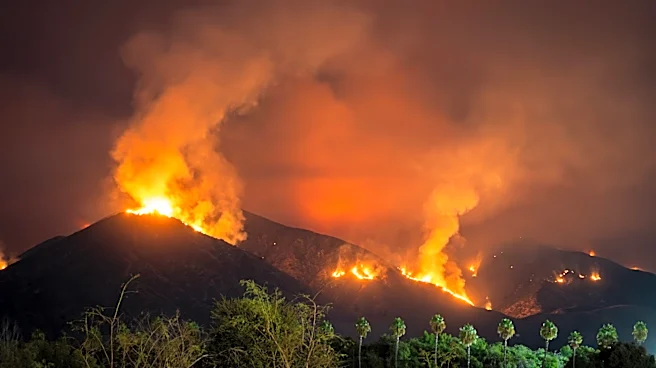
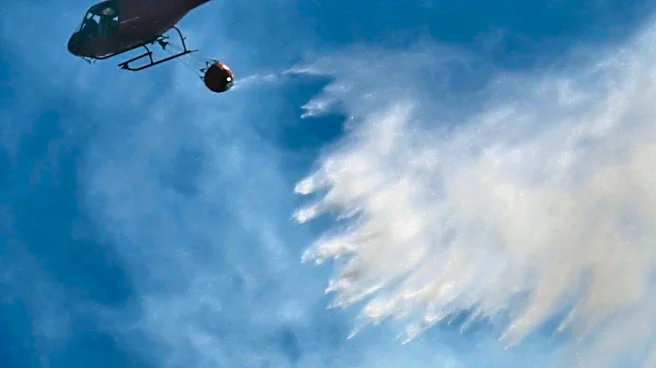
A fast-moving wildfire in the Var department of southern France has burned over 2,500 hectares and forced the evacuation of 400 residents. The fire, which erupted on Tuesday, has posed significant challenges for emergency services, with 1,100 firefighters
battling the blaze throughout the night. The fire has not yet been contained, but weather conditions are expected to become more favorable. The wildfire has also left 2,300 households without power, primarily in the village of Cotignac, and has led to evacuations in several nearby villages.
Why It's Important?
The wildfire in southern France is a stark reminder of the increasing frequency and intensity of wildfires in Europe, driven by climate change. As Europe is the fastest-warming continent, such events are becoming more common, posing significant risks to communities, ecosystems, and economies. The immediate impact includes the displacement of residents, destruction of property, and strain on emergency services. In the long term, these events can lead to economic losses, environmental degradation, and increased pressure on public resources. The situation underscores the urgent need for effective climate action and disaster preparedness strategies.
What's Next?
Efforts to contain the wildfire are ongoing, with firefighters working to prevent further spread and protect communities. Authorities may implement additional evacuation measures if necessary, and there will likely be a focus on restoring power and providing support to affected residents. In the aftermath, there may be discussions on improving fire management practices and enhancing resilience to future wildfires. Additionally, the event may prompt further examination of climate policies and the need for international cooperation to address the root causes of climate change and its impacts.
Beyond the Headlines
The wildfire in southern France highlights broader issues related to climate change and environmental management. As wildfires become more frequent, there is a need to address the underlying factors contributing to these events, such as land use practices and forest management. The situation also raises questions about the role of climate change in exacerbating natural disasters and the importance of implementing policies to reduce greenhouse gas emissions and promote sustainable development. Furthermore, there is a need for increased public awareness and engagement in climate action to build resilience against future challenges.