






What's Happening?
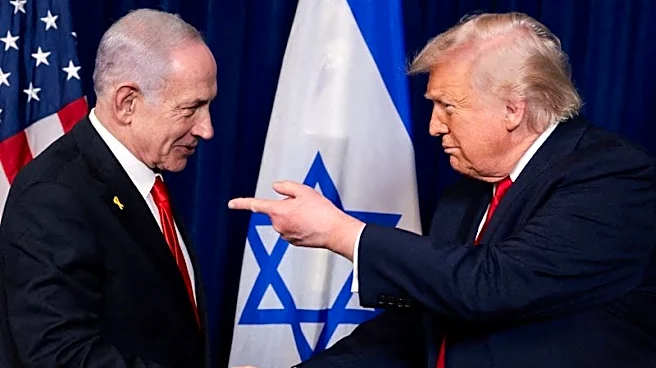
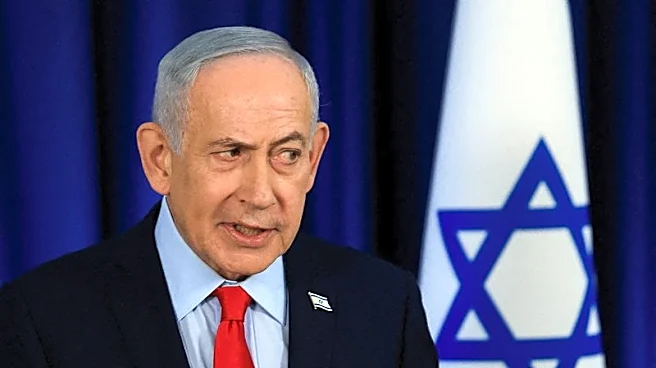
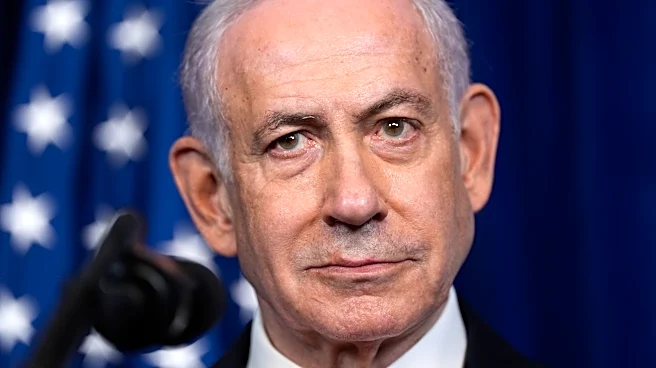
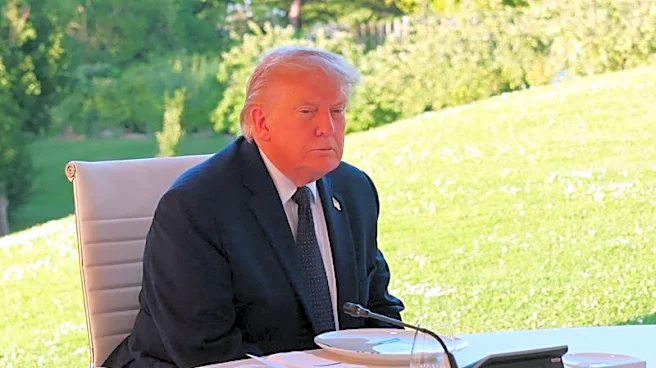
Israeli Prime Minister Benjamin Netanyahu is facing significant political challenges as his relationship with President Trump becomes a liability rather than an asset. Historically, Netanyahu has leveraged his close ties with Trump to bolster his political standing
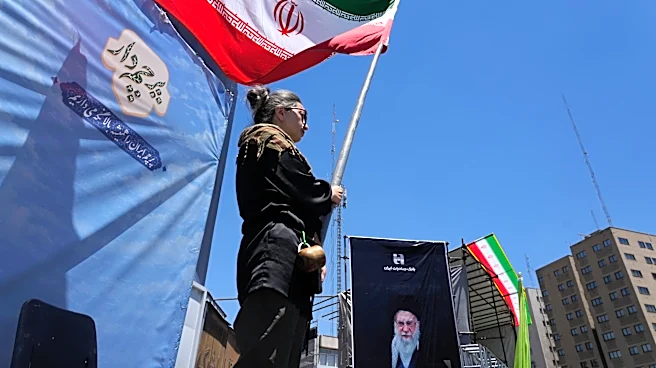
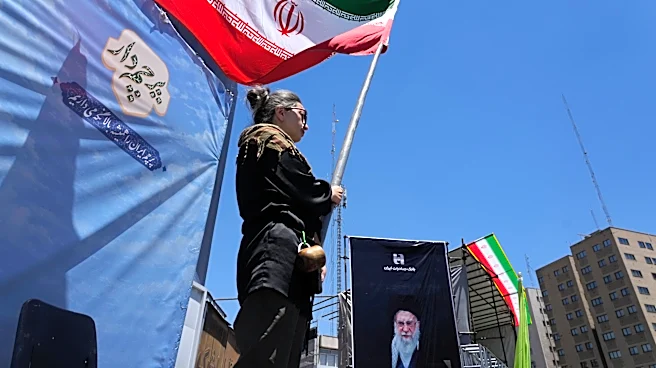
in Israel. However, recent developments have strained this relationship. President Trump has reportedly forced Israel to halt retaliatory strikes on Iran and limited its response to Hezbollah attacks from Lebanon. Additionally, Trump denied Israel's request to review a memorandum of understanding with Iran, which was negotiated by his administration. These actions have placed Netanyahu in a difficult position, as he must choose between defying Trump's directives to maintain his image as a security hawk or complying to preserve their alliance. This situation arises as Israel approaches elections, with polls indicating a potential loss for Netanyahu's coalition.
Why It's Important?
The strained relationship between Netanyahu and Trump has significant implications for Israeli politics and its geopolitical standing. Netanyahu's political brand has been built on his ability to manage international pressures and his alliance with Trump. The current situation undermines these claims, potentially weakening his support among Israeli voters. The timing is critical, as Israel is nearing elections, and Netanyahu's coalition is already facing challenges. The opposition, although fragmented, is projected to gain more seats. Furthermore, the U.S.-Israel dynamic is crucial for regional stability, and any shifts could impact ongoing conflicts and diplomatic efforts in the Middle East. The situation also highlights the complexities of international alliances, where personal relationships between leaders can significantly influence national policies.
What's Next?
As Israel's elections approach, Netanyahu must navigate the political fallout from his strained relationship with Trump. He may attempt to reassert his leadership by taking a firmer stance on security issues, potentially defying Trump's directives. However, this could risk further alienating the U.S., a key ally. The outcome of the elections will determine whether Netanyahu can maintain his position or if a new coalition will emerge. Additionally, the interim accord between the U.S. and Iran remains fragile, and any changes could reignite hostilities, further complicating the geopolitical landscape. Observers will be watching how Netanyahu balances domestic political pressures with international diplomatic challenges.
Beyond the Headlines
The situation underscores the broader implications of personal diplomacy in international relations. Netanyahu's reliance on his personal rapport with Trump highlights the risks of such strategies, as shifts in personal dynamics can lead to significant policy changes. This case also illustrates the potential volatility in U.S.-Israel relations, which have traditionally been strong. The evolving situation may prompt Israeli leaders to reconsider their diplomatic strategies and alliances, potentially seeking to diversify their international partnerships to mitigate risks associated with over-reliance on a single ally.