




What's Happening?
The Vermont Congressional Delegation, comprising U.S. Senator Bernie Sanders (I-Vt.), U.S. Senator Peter Welch (D-Vt.), and U.S. Representative Becca Balint (VT-AL), has sent a letter to Postmaster General David Steiner of the United States Postal Service
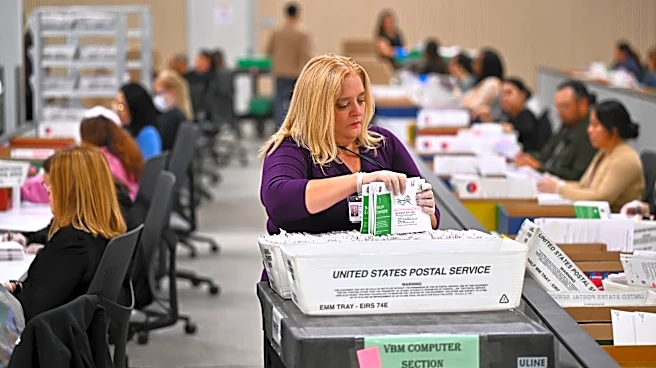
(USPS). The delegation is demanding immediate action to address severe and persistent mail delivery delays and service issues affecting Vermonters. The letter highlights that these problems have been ongoing for several years, intensifying since the implementation of the Trump Administration’s 'Delivering for America Plan' in 2021. Constituents have reported receiving mail as infrequently as once or twice a week, with some areas experiencing no deliveries for consecutive weeks. The delegation noted over 2,000 constituent complaints in the first half of 2026 alone. These service failures have led to critical issues, including delayed tax documents, bills, holiday cards, and, most critically, missed medical care due to late prescription deliveries. The delegation also pointed out that inconsistent mail delivery is impeding state government services, citing instances where batches of vehicle titles were lost in transit, raising security concerns and administrative burdens.
Why It's Important?
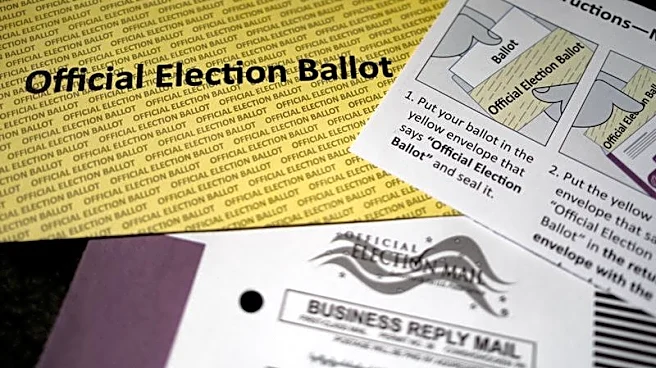
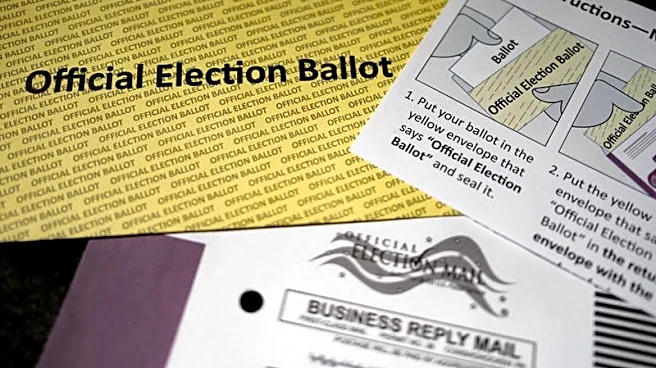
Reliable mail service is a fundamental public utility, essential for personal communication, commerce, and access to critical services like healthcare and government functions. The persistent failures in Vermont, as detailed by the Congressional Delegation, indicate a breakdown in this essential service, directly impacting the daily lives and well-being of residents. The inability to receive prescriptions on time poses a significant public health risk, while delayed financial documents can lead to penalties and economic hardship. Furthermore, the reported loss of government documents like vehicle titles raises serious concerns about data security and the efficiency of state operations. The delegation's emphasis on the potential impact on election ballots underscores a critical threat to democratic processes, as timely delivery of ballots is paramount for ensuring fair and accessible elections. These issues reflect broader systemic problems within the USPS, potentially stemming from staffing shortages, centralized hiring processes, and the effectiveness of the 'Delivering for America Plan.'
What's Next?
The Vermont Congressional Delegation has requested detailed answers from Postmaster General Steiner by September 1, 2026. They seek information on the percentage of households receiving six-day delivery, the number and duration of mail carrier vacancies, hiring goals and timelines, and steps taken to streamline hiring. They also inquired about resources committed to boosting recruitment in the Northern New England District, approval processes for Contract Delivery Service (CDS), on-time delivery rates, and measures to ensure timely ballot delivery. The delegation also asked what elements of the ten-year plan need alteration and how many new delivery vehicles Vermont will receive. Depending on the USPS's response, the delegation may pursue further legislative action, increased oversight, or public hearings to pressure the agency into making necessary improvements. Continued service failures could lead to calls for leadership changes or a reevaluation of the USPS's operational strategies and funding models.
Beyond the Headlines
The challenges faced by the USPS in Vermont are indicative of a national struggle to balance financial sustainability with its universal service obligation. The 'Delivering for America Plan' aimed to modernize the postal network and improve financial health, but its implementation appears to have led to significant service degradation in some areas. This situation highlights the tension between cost-cutting measures and maintaining essential public services, particularly in rural regions where alternative delivery options are limited. The delegation's concerns about staffing shortages and centralized hiring processes point to potential bureaucratic inefficiencies that hinder local postmasters' ability to address immediate operational needs. The broader implications include a potential erosion of public trust in government institutions and a growing digital divide, where communities with unreliable mail service are further disadvantaged. Addressing these issues requires a comprehensive approach that considers both operational efficiency and the social contract of providing reliable, affordable mail service to all Americans.