



What's Happening?
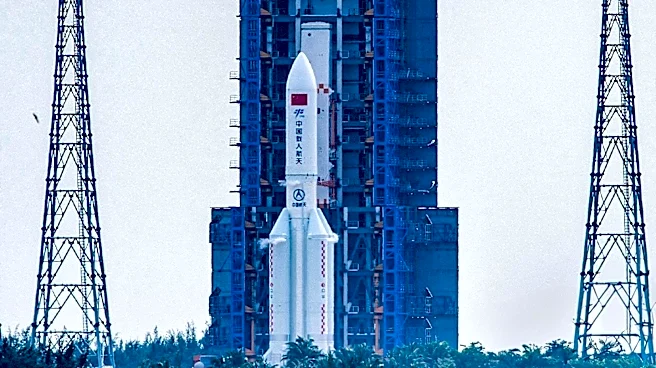
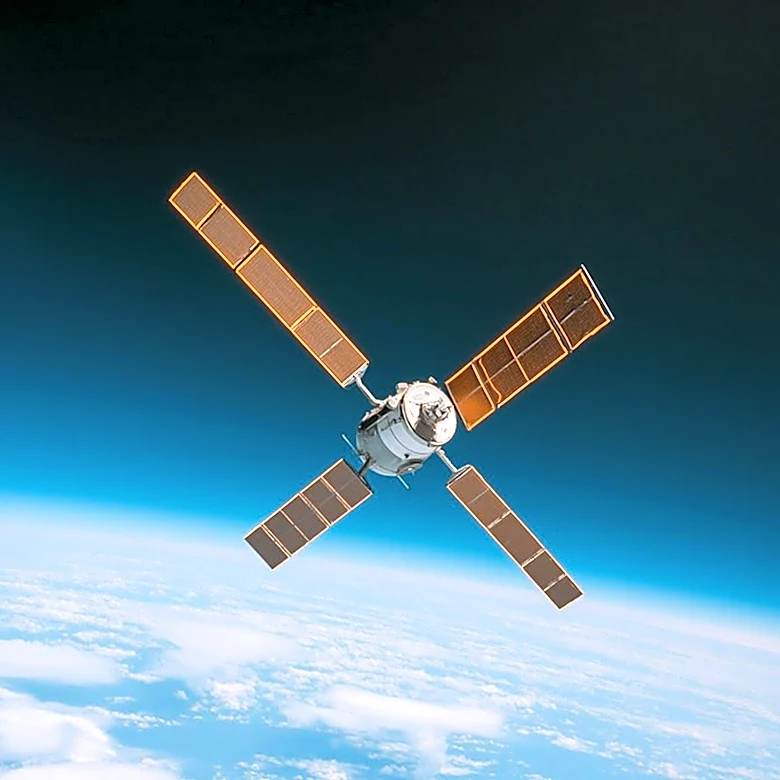
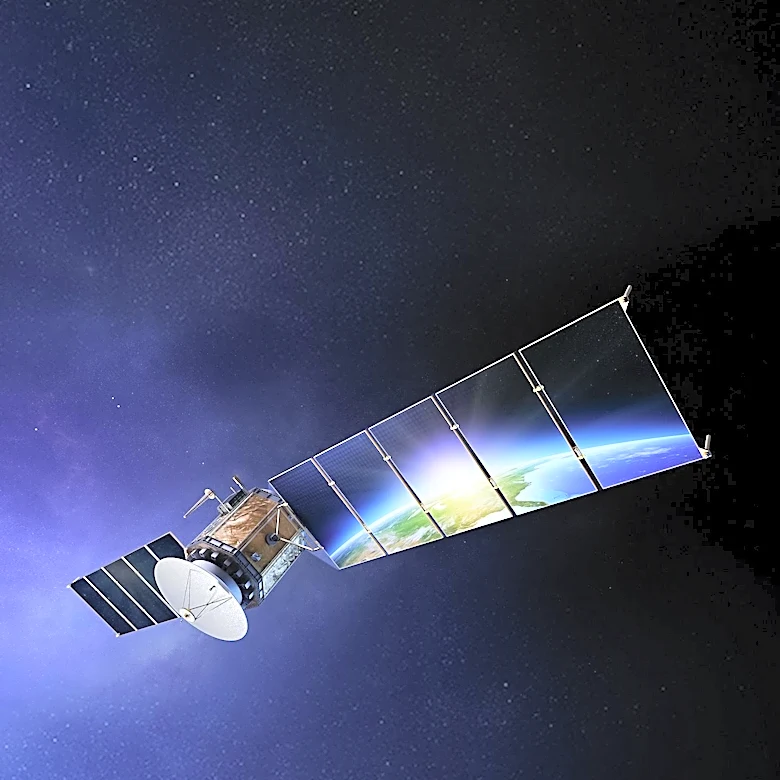
A Long March 3B rocket launched from China's Xichang Satellite Launch Center was struck by lightning shortly after its launch. Despite the dramatic event, the mission proceeded without any issues, successfully placing the Tianlian-2-06 data relay satellite
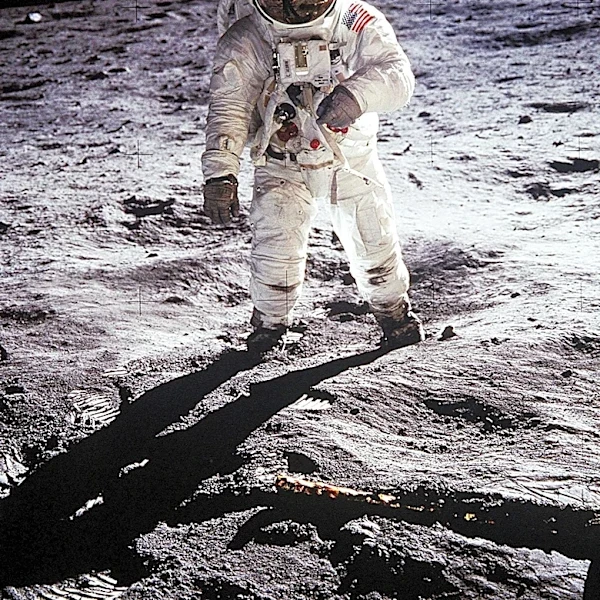
into its intended geostationary transfer orbit. The lightning strike, which traveled along the length of the rocket and its exhaust path, did not impact the satellite's deployment. This incident is reminiscent of the Apollo 12 mission, which also experienced lightning strikes during launch but managed to continue its mission successfully. The Tianlian-2-06 satellite is part of a constellation designed to relay communications and data from the Chinese space station and other low-orbit spacecraft to ground systems.
Why It's Important?
The successful deployment of the Tianlian-2-06 satellite despite the lightning strike underscores the resilience and reliability of modern space technology. This event highlights the robustness of China's space program, which continues to make significant advancements in satellite technology and space exploration. The ability to withstand such natural phenomena without mission failure is crucial for the continued development and expansion of space infrastructure. This incident also serves as a reminder of the unpredictable nature of space launches and the importance of designing systems that can handle unexpected challenges.